


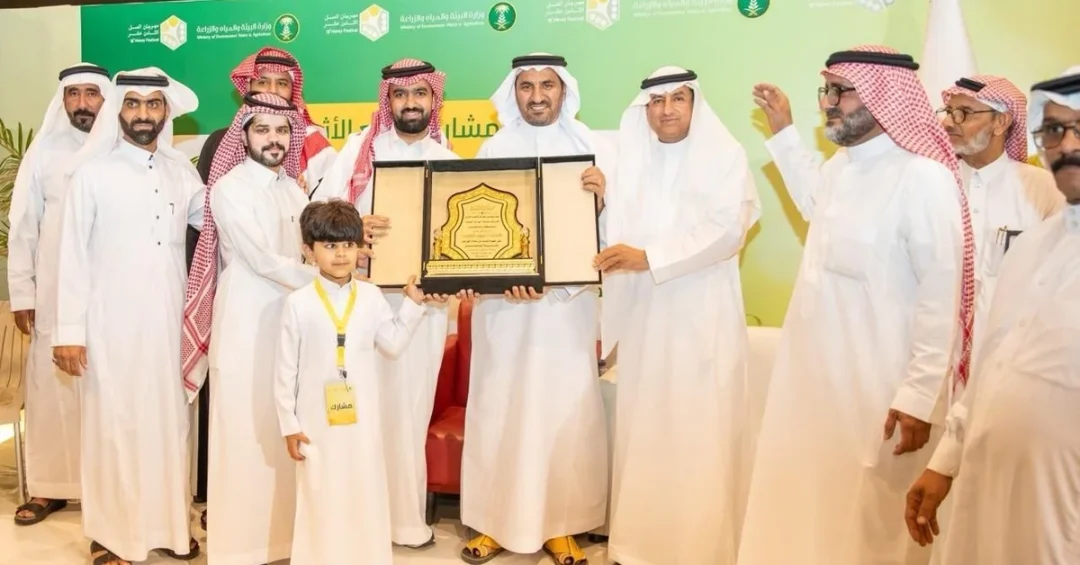
The 18th Honey Festival in Al-Baha Region concluded with broad participation from government and private entities, as well as a select group of beekeepers and honey producers, the Saudi Press Agency reported. The festival attracted approximately 100,000 visitors and featured 45 beekeepers showcasing nearly 30 tons of premium honey varieties and bee products. The accompanying events highlighted the importance of the beekeeping industry, showcased the quality and diversity of the region’s products, and provided beekeepers with a valuable platform to market their locally produced honey.
Held in the heart of Al-Baha, a mountainous region in southwestern Saudi Arabia long celebrated for its distinctive flora and traditional apiculture, the festival underscored the Kingdom’s commitment to preserving heritage industries while advancing the economic diversification goals of Vision 2030. The event drew families, domestic tourists, and international visitors, transforming the region into a vibrant marketplace where honey producers could connect directly with consumers and wholesale buyers. For many beekeepers, the festival represented far more than a seasonal sale; it was an opportunity to demonstrate the sophistication of Saudi honey production and to strengthen the commercial networks that sustain rural livelihoods. The conclusion of the 18th edition also signals the growing institutional support behind the sector, with government agencies and private companies working in tandem to elevate Al-Baha’s honey to national and international prominence.
Context and Background
Why has Al-Baha become synonymous with premium honey in the Kingdom? The region’s geography provides part of the answer. Situated at high altitude with cooler temperatures, seasonal rains, and a rich variety of flowering plants, Al-Baha offers ideal conditions for bees to produce honey with complex flavors and high nutritional value. For generations, local families have practiced beekeeping as both a livelihood and a cultural tradition, passing knowledge from one generation to the next. The Honey Festival was established to formalize and celebrate this heritage, creating a structured annual event that brings together producers, regulators, and consumers in a single venue. Over 18 editions, the festival has evolved from a modest local gathering into a significant regional attraction, reflecting the broader modernization of Saudi Arabia’s agricultural and tourism sectors.
The event is organized with the support of the Ministry of Environment, Water and Agriculture, which oversees apiary standards, provides technical guidance, and promotes sustainable practices among beekeepers. The Ministry’s involvement ensures that honey sold at the festival meets quality and safety benchmarks, protecting both consumers and the reputation of Saudi producers. In recent years, the Ministry has also introduced training programs, disease-management workshops, and marketing support designed to help small-scale beekeepers scale up their operations. This institutional backing is crucial because the honey sector, while culturally significant, must compete in a global market where quality certification and consistent supply chains determine success. The festival thus serves as a showcase for these efforts, allowing visitors to see the results of improved production methods firsthand.
The 18th edition also arrived at a time of heightened interest in Saudi Arabia’s natural products and rural tourism. Domestic travel has surged as citizens and residents explore the Kingdom’s diverse landscapes, and Al-Baha has benefited from this trend. The festival’s ability to attract 100,000 visitors demonstrates that agricultural events can serve as powerful tourism magnets when they are well organized and effectively marketed. This convergence of agriculture, tourism, and cultural preservation is a recurring theme in Saudi Arabia’s development strategy, and Al-Baha’s experience offers a compelling case study for other regions seeking to leverage their unique assets.
Key Details
What exactly did the 18th edition deliver? According to the Saudi Press Agency, the festival featured 45 beekeepers who collectively presented nearly 30 tons of honey and related bee products. The range of varieties on display reflected the botanical diversity of Al-Baha, including honey derived from acacia, wildflowers, and mountain herbs. Each producer brought distinct offerings, from dark, robust honeys to lighter, delicately flavored varieties, allowing visitors to sample and compare products in a way that retail shelves rarely permit. The sheer volume of honey available also indicates the productive capacity of the region’s apiaries, which have benefited from improved hive management and favorable seasonal conditions. For buyers, the festival provided a rare opportunity to purchase directly from producers, ensuring freshness and traceability.
Beyond the commercial transactions, the accompanying events included educational workshops, honey-tasting sessions, and demonstrations of traditional and modern beekeeping techniques. These activities were designed to raise awareness about the nutritional and medicinal properties of honey, as well as the ecological importance of bees as pollinators. Children and young adults were particularly targeted, with interactive exhibits aimed at inspiring the next generation of beekeepers and environmental stewards. The festival also hosted forums where producers could discuss challenges such as climate variability, pest management, and market access with experts from the Ministry of Environment, Water and Agriculture and other relevant bodies. Such dialogue is essential for translating traditional knowledge into resilient, market-ready practices.
The participation of government and private entities added another layer of significance. Private companies involved in packaging, logistics, and retail used the festival to explore partnerships with local producers, potentially opening new distribution channels for Al-Baha honey. Government agencies, meanwhile, used the platform to reinforce regulations and share information about subsidies, grants, and training opportunities available to beekeepers. This multi-stakeholder approach reflects a coordinated effort to strengthen the entire value chain, from hive to consumer. The result is a more professionalized sector that can meet domestic demand and, increasingly, compete in export markets where Saudi honey is gaining recognition for its purity and distinctive taste profiles.
International and Regional Impact
How does a regional honey festival resonate beyond Saudi Arabia’s borders? The event contributes to the Kingdom’s growing reputation as a producer of high-quality agricultural goods, a narrative that aligns with broader efforts to diversify exports away from hydrocarbons. International buyers and food-safety auditors increasingly look for traceable, sustainably produced products, and Al-Baha’s beekeepers are responding by adopting modern standards. The festival provides a visible platform where these standards are demonstrated, potentially attracting interest from importers in the Gulf Cooperation Council, Asia, and Europe. Saudi honey has cultural and religious significance as well, particularly in markets where consumers value traditional remedies and natural foods. By showcasing Al-Baha’s offerings, the festival helps position Saudi Arabia as a credible supplier in the premium honey segment.
Regionally, the event strengthens ties among GCC countries by drawing visitors and participants from neighboring states. Beekeepers from other Gulf nations sometimes attend to exchange knowledge and observe best practices, creating informal networks that can lead to collaborative research and trade. The festival also supports Saudi Arabia’s tourism objectives by giving international visitors a reason to explore a region often overlooked in favor of major cities. Al-Baha’s cooler climate, scenic mountains, and cultural heritage make it an attractive destination, and the honey festival serves as an anchor event that can extend visitor stays and increase spending in local hotels, restaurants, and markets. This multiplier effect is precisely what Vision 2030 seeks to achieve in developing tourism across the Kingdom’s diverse regions.
Furthermore, the festival’s success underscores the importance of agricultural events in diplomacy and soft power. When foreign visitors experience the hospitality and quality associated with Al-Baha honey, they carry positive impressions back to their home countries. These impressions can translate into increased tourism, academic exchange, and business partnerships over time. Saudi Arabia has increasingly used cultural and agricultural festivals as tools of international engagement, and the Honey Festival is a prime example of how a local tradition can be elevated to a national and international stage without losing its authenticity.
Economic and Strategic Significance
What does the festival mean for Saudi Arabia’s economy and strategic goals? The beekeeping sector, while small relative to oil and petrochemicals, represents a valuable component of the non-oil economy that Vision 2030 aims to expand. Honey production creates jobs in rural areas, supports small and medium-sized enterprises, and generates income for families who might otherwise migrate to cities. The 45 beekeepers at the festival are part of a larger community of producers across the Kingdom, and their ability to sell nearly 30 tons of honey in a single event demonstrates meaningful market demand. As the sector professionalizes, it can contribute to food security by reducing reliance on imported honey and by promoting pollination services that benefit fruit and vegetable farms. Bees are essential to agricultural productivity, and a robust beekeeping industry has positive spillovers for the entire agricultural ecosystem.
The strategic significance extends to rural development and regional balance. Al-Baha is one of Saudi Arabia’s less urbanized regions, and initiatives that create economic opportunities there help achieve the Vision 2030 objective of balanced development across the Kingdom. The festival supports local businesses, from transport providers to food vendors, and encourages investment in infrastructure such as roads, accommodation, and market facilities. Over time, this can lead to a more diversified local economy that is less dependent on government employment. The Ministry of Environment, Water and Agriculture has emphasized that beekeeping is a priority sector for rural development, and events like the Honey Festival are instrumental in translating policy into tangible outcomes. By connecting producers with markets and consumers, the festival helps beekeepers earn sustainable incomes and reinvest in their operations.
From a trade perspective, the festival also contributes to the branding of Saudi agricultural products. In a global market where origin matters, Al-Baha honey is building a reputation for quality that can command premium prices. This branding effort is supported by the Kingdom’s broader push to export non-oil goods and to promote the “Made in Saudi” identity. If successful, it can create a template for other regional products, such as coffee, dates, and herbs, to follow. The economic logic is straightforward: by celebrating and commercializing local specialties, Saudi Arabia can unlock value from its diverse ecological zones while preserving cultural heritage.
Vision 2030 Alignment
How does the Al-Baha Honey Festival connect to Vision 2030? The festival embodies several pillars of the Kingdom’s transformation plan, including economic diversification, tourism development, and the empowerment of small businesses. Vision 2030 seeks to create a vibrant society and a thriving economy, and agricultural festivals like this one contribute to both by celebrating cultural identity and generating commercial activity. The event also aligns with the Quality of Life Program, which aims to enhance leisure opportunities and promote domestic tourism. By attracting 100,000 visitors, the festival demonstrates that there is strong public appetite for such experiences, and it encourages further investment in regional events and infrastructure.
Moreover, the festival supports the National Transformation Program’s goals related to agriculture and rural development. The Ministry of Environment, Water and Agriculture has been tasked with improving agricultural productivity and sustainability, and beekeeping is one of the sectors where progress is visible. The adoption of modern techniques, the emphasis on quality control, and the facilitation of market access all reflect the program’s objectives. As Saudi Arabia continues to implement Vision 2030, success stories like the Honey Festival provide momentum and proof that the strategy is yielding results on the ground. The 18th edition’s conclusion is not an endpoint but a milestone in an ongoing journey toward a more diversified, sustainable, and globally engaged economy. In the years ahead, Al-Baha’s beekeepers and the festival itself are poised to play an even greater role in showcasing the best of Saudi Arabia to the world.
20 Questions
Q1. What was the 18th Honey Festival in Al-Baha Region?
A1. The 18th Honey Festival was a major agricultural event held in Al-Baha Region, Saudi Arabia. It concluded with participation from government and private entities, as well as 45 beekeepers who showcased nearly 30 tons of premium honey varieties and bee products.
Q2. How many visitors attended the festival?
A2. The festival attracted approximately 100,000 visitors, according to the Saudi Press Agency. This high attendance highlights the event’s growing popularity and its role in promoting regional tourism and local products.
Q3. How many beekeepers participated in the festival?
A3. A total of 45 beekeepers participated in the 18th edition. They represented a select group of honey producers from Al-Baha and beyond, demonstrating the region’s strong apiculture tradition and its modern commercial potential.
Q4. How much honey was showcased at the festival?
A4. Nearly 30 tons of premium honey varieties and bee products were showcased. This volume reflects the productive capacity of the region’s apiaries and the diversity of honey types available to consumers.
Q5. What types of honey were featured at the festival?
A5. The festival featured a range of premium honey varieties derived from Al-Baha’s diverse flora, including acacia, wildflowers, and mountain herbs. Each producer brought distinct offerings, from dark robust honeys to lighter delicately flavored varieties.
Q6. What was the main purpose of the Honey Festival?
A6. The festival aimed to highlight the importance of the beekeeping industry, showcase the quality and diversity of the region’s products, and provide beekeepers with a platform to market their locally produced honey directly to consumers and buyers.
Q7. Which government entities supported the festival?
A7. The festival received support from government entities, notably the Ministry of Environment, Water and Agriculture, which oversees apiary standards, provides technical guidance, and promotes sustainable practices among beekeepers to ensure quality and safety.
Q8. Where is Al-Baha Region located?
A8. Al-Baha Region is located in southwestern Saudi Arabia. It is a mountainous area known for its cooler climate, seasonal rains, and rich plant diversity, which create ideal conditions for premium honey production.
Q9. Why is Al-Baha famous for honey production?
A9. Al-Baha’s high altitude, cooler temperatures, and diverse flowering plants provide an excellent environment for bees. For generations, local families have practiced beekeeping, building a reputation for high-quality honey with complex flavors.
Q10. How does the festival support local beekeepers?
A10. The festival gives beekeepers a direct market to sell their honey, connect with wholesale buyers, and learn about modern techniques. It also provides a platform to discuss challenges and opportunities with experts and government officials.
Q11. What educational activities took place at the festival?
A11. The accompanying events included workshops, honey-tasting sessions, and demonstrations of traditional and modern beekeeping techniques. These activities aimed to raise awareness about honey’s benefits and the ecological importance of bees.
Q12. How does the festival contribute to Saudi tourism?
A12. By attracting 100,000 visitors, the festival boosts domestic tourism in Al-Baha, supporting local hotels, restaurants, and markets. It encourages visitors to explore a region often overlooked in favor of major cities.
Q13. What is the economic significance of the beekeeping sector in Saudi Arabia?
A13. Beekeeping creates rural jobs, supports small and medium-sized enterprises, and contributes to food security through pollination services. It is a valuable part of the non-oil economy that Vision 2030 aims to expand.
Q14. How does the festival align with Vision 2030?
A14. The festival aligns with Vision 2030 by promoting economic diversification, tourism development, and small business empowerment. It also supports the Quality of Life Program and the National Transformation Program’s agricultural goals.
Q15. What role does the Ministry of Environment, Water and Agriculture play?
A15. The Ministry oversees apiary standards, provides training and technical guidance, and promotes sustainable practices. It also helps beekeepers access markets and comply with quality and safety regulations.
Q16. Are there opportunities for international trade in Saudi honey?
A16. Yes. The festival helps position Saudi honey as a premium product, potentially attracting importers from the Gulf, Asia, and Europe. Traceability and sustainability are increasingly important to international buyers.
Q17. How does the festival preserve cultural heritage?
A17. The festival celebrates traditional beekeeping practices passed down through generations. It provides a platform for sharing knowledge and maintaining cultural traditions while embracing modern techniques and standards.
Q18. What challenges do beekeepers in Al-Baha face?
A18. Beekeepers face challenges such as climate variability, pest management, and market access. The festival allows them to discuss these issues with experts and explore solutions through training and collaboration.
Q19. How many editions of the Honey Festival have been held?
A19. The 18th edition recently concluded, indicating a long-standing tradition of holding the festival annually. Over the years, it has grown into a significant regional event attracting thousands of visitors.
Q20. What does the future hold for the Al-Baha Honey Festival?
A20. The festival is expected to continue growing, attracting more visitors and participants. It will remain a key platform for promoting Saudi honey, supporting rural development, and showcasing the Kingdom’s agricultural heritage and Vision 2030 progress.
Reader Feedback
We value your thoughts. Please share your feedback on this article.
Your feedback helps us improve our coverage.
Related articles
 Karachi Stocks Dip 0.07% Amid Balanced Trading
 Qatar Stock Exchange Index Closes Slightly Lower
 Egyptian Exchange Closes Mixed as Market Cap Rises 6B EGP
 Moringa: Saudi Arabia’s High-Value Desert Crop
 Al-Baha Honey Festival Concludes with 30 Tons Displayed
 Riyadh to Host 10th FII Conference Under Royal Patronage