


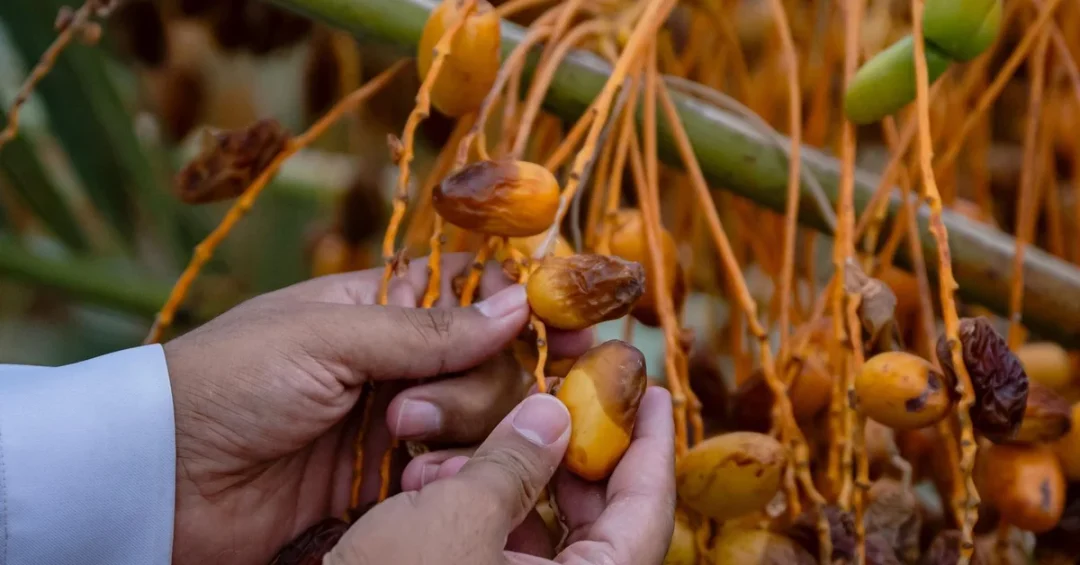
Al-Baha Region is home to more than 140,000 palm trees that produce over 2,000 tons of dates annually, according to official statistics released by the Ministry of Environment, Water and Agriculture’s branch in the region. The figures were announced by Saeed Al-Ghamdi, Director of the Non-Profit Sector and Agricultural Solutions Department at the ministry’s Al-Baha branch, who said palm cultivation has become a vital agricultural activity in the region because of its economic and nutritional value and the promising opportunities it creates for developing agricultural products and date-related processing industries. Al-Aqiq Governorate, in particular, is considered one of the region’s most suitable areas for palm cultivation, and the sector is positioned as a cornerstone of rural development in the southwestern highlands of the Kingdom.
Could a single agricultural sector in a mountainous region of Saudi Arabia hold lessons for rural economies across the entire country? The numbers suggest it can. The palm sector in Al-Baha is not simply a source of food; it is a livelihood for farming families, a feedstock for small processing businesses, and a demonstration of how targeted government support can raise productivity and income in areas that might otherwise be overlooked. The announcement reflects the Kingdom’s broader effort, under Vision 2030, to diversify the economy, strengthen non-oil sectors, and ensure that development reaches every region. For international observers, the Al-Baha figures offer a concrete case study of how Saudi Arabia is modernizing agriculture while preserving the traditions that have sustained its rural communities for generations.
Context and Background
Why does Al-Baha matter so much in the national conversation about palm cultivation? Located in the southwest of the Kingdom, Al-Baha Region is known for its cooler climate, higher elevation, and fertile valleys, conditions that have long made it suitable for growing a wide range of crops, including dates. Palm cultivation there is described by officials as a vital agricultural activity, valued not only for its nutritional output but also for the economic returns it generates for farmers and the processing industries that depend on it. Al-Aqiq Governorate stands out within the region as one of the most suitable areas for palm cultivation, benefiting from local environmental conditions that support healthy growth and reliable yields.
The Ministry of Environment, Water and Agriculture has been documenting and supporting this sector through its regional branch. Saeed Al-Ghamdi, Director of the Non-Profit Sector and Agricultural Solutions Department at the branch, said the statistics show more than 140,000 palm trees producing over 2,000 tons of dates annually. He stressed the importance of this activity in supporting the agricultural sector and enabling farmers to make optimal use of available resources and potential. The ministry’s role is not limited to data collection; it extends to advisory services, technical support, and the design of programs that help farmers improve efficiency and expand their operations.
Historically, date palms have been central to life in the Arabian Peninsula, providing food, shade, and raw materials. In Al-Baha, that heritage continues, but it is now being combined with modern agricultural practices and government-backed development programs. The result is a sector that respects tradition while embracing productivity gains, an approach that aligns with the Kingdom’s wider rural development agenda.
Key Details
What exactly does the data reveal about Al-Baha’s palm sector? According to the official figures, the region has more than 140,000 palm trees and produces over 2,000 tons of dates every year. These trees are distributed across farms in the region, with Al-Aqiq Governorate hosting a significant share. The production volume supports local markets and feeds into processing industries that transform dates into a variety of products, from packaged dates and date paste to derivative goods that reach consumers in other parts of the Kingdom and beyond.
Al-Ghamdi highlighted the role of the Sustainable Agricultural Rural Development Program, known as Saudi Reef, in supporting palm farmers and workers in processing industries associated with palm products. The program provides non-refundable financial support in accordance with approved regulations and requirements, with the aim of developing rural agricultural activities and improving production efficiency. This support helps farmers invest in better irrigation, improved cultivation techniques, and post-harvest handling, while also encouraging the growth of small enterprises that add value to raw dates.
Processing industries, in turn, make use of palm products and diversify them, opening broader marketing opportunities, increasing their added value, and boosting farmers’ economic returns. This helps enhance the sustainability of the activity and supports the development of the agricultural sector in Al-Baha Region. The cycle is self-reinforcing: higher-quality production attracts more processing capacity, which creates demand for more raw dates, which in turn encourages farmers to expand and improve their orchards.
International and Regional Impact
How does a regional date harvest connect to global markets and Saudi Arabia’s international standing? Saudi dates are already a recognized export product, and the Kingdom has been actively promoting its date industry at international trade events and through diplomatic and commercial channels. The output from Al-Baha contributes to this national supply, and the processing industries that develop around it create products that can be marketed abroad. As global demand for natural, nutritious foods grows, Saudi dates are well positioned to capture new customers in Asia, Europe, and the Middle East.
Within the region, Al-Baha’s success can serve as a model for other agricultural areas in the Kingdom and the wider Gulf. The combination of government support, farmer participation, and processing industry development is a template that can be adapted to different crops and different geographies. For international audiences, the story demonstrates that Saudi Arabia’s agricultural modernization is not confined to large-scale projects; it also includes targeted, community-level initiatives that improve rural incomes and food security.
Economic and Strategic Significance
Why should economists and investors pay attention to date production in a single Saudi region? Agriculture remains an important component of the Kingdom’s non-oil economy, and date palms are among the most economically valuable crops in the country. The 2,000 tons produced annually in Al-Baha represent income for farmers, revenue for processors, and employment in rural communities. The Saudi Reef program’s non-refundable support is designed to lower the barriers that small farmers face when trying to modernize, whether those barriers involve equipment costs, irrigation upgrades, or access to markets.
Strategic significance also lies in food security. Saudi Arabia has made it a priority to strengthen domestic food production where it is economically and environmentally feasible. Date palms are well suited to the Kingdom’s climate and require relatively modest inputs compared with some other crops, making them a sensible focus for sustainable agricultural development. The processing industries that grow alongside palm cultivation further multiply the economic impact, turning a seasonal harvest into year-round business activity.
Vision 2030 Alignment
How does Al-Baha’s palm sector fit into the Kingdom’s long-term transformation? Vision 2030 calls for a diversified economy, a thriving private sector, and development that benefits all regions of the country. Agriculture is one of the sectors identified as having potential for growth, and date production in particular is seen as a way to create jobs, support rural families, and increase non-oil exports. The Ministry of Environment, Water and Agriculture’s work in Al-Baha, together with the Saudi Reef program, directly supports these objectives by helping farmers raise productivity and by encouraging the establishment of value-added processing businesses.
For the international audience, the Al-Baha figures are a reminder that Saudi Arabia’s modernization story is multifaceted. It includes mega-projects and global diplomacy, but it also includes 140,000 palm trees in a southwestern region, tended by farmers who are being equipped with the tools and support they need to succeed. As the Kingdom continues to implement Vision 2030, such local successes will be essential to ensuring that prosperity is shared across the nation and that Saudi agriculture remains a source of pride and economic strength for generations to come.
20 Questions
Q1. How many palm trees are there in Al-Baha Region?
A1. According to official statistics from the Ministry of Environment, Water and Agriculture’s Al-Baha branch, the region has more than 140,000 palm trees, as announced by Saeed Al-Ghamdi.
Q2. How many tons of dates does Al-Baha produce annually?
A2. The region produces over 2,000 tons of dates each year, according to the same official statistics released by the ministry’s regional branch.
Q3. Which governorate in Al-Baha is considered most suitable for palm cultivation?
A3. Al-Aqiq Governorate is considered one of the region’s most suitable areas for palm cultivation, benefiting from favorable local environmental conditions.
Q4. Who announced the statistics on Al-Baha’s palm sector?
A4. Saeed Al-Ghamdi, Director of the Non-Profit Sector and Agricultural Solutions Department at the Ministry of Environment, Water and Agriculture’s branch in Al-Baha Region, announced the figures.
Q5. What is the Saudi Reef program?
A5. The Sustainable Agricultural Rural Development Program, known as Saudi Reef, supports palm farmers and processing industry workers with non-refundable financial support under approved regulations and requirements.
Q6. What kind of support does Saudi Reef provide?
A6. Saudi Reef provides non-refundable financial support in accordance with approved regulations, aimed at developing rural agricultural activities and improving production efficiency.
Q7. Why is palm cultivation important to Al-Baha’s economy?
A7. It provides significant economic and nutritional value, supports farmers’ incomes, and creates opportunities for developing agricultural products and date-related processing industries.
Q8. What role do processing industries play in the date sector?
A8. Processing industries use palm products, diversify them into new goods, open broader marketing opportunities, increase added value, and boost farmers’ economic returns.
Q9. How does the date sector support rural development?
A9. It creates jobs, improves production efficiency, and helps farmers make optimal use of available resources, contributing to the sustainability of rural agricultural activities.
Q10. What is the nutritional value of dates?
A10. Dates are a nutritious food, rich in natural sugars, fiber, and essential minerals, making them a valuable component of a healthy diet and a traditional staple in Saudi Arabia.
Q11. How does Al-Baha’s climate support palm cultivation?
A11. Al-Baha’s higher elevation and cooler climate, along with its fertile valleys, create favorable conditions for growing healthy date palms, particularly in Al-Aqiq Governorate.
Q12. Are Saudi dates exported internationally?
A12. Yes, Saudi dates are recognized export products, and the Kingdom actively promotes them at international trade events and through commercial channels.
Q13. What is the Ministry of Environment, Water and Agriculture’s role in Al-Baha?
A13. The ministry’s regional branch collects data, provides technical support, and implements programs like Saudi Reef to help farmers improve efficiency and expand their operations.
Q14. How does the date sector align with Vision 2030?
A14. It supports economic diversification, rural development, job creation, and non-oil exports, all of which are key objectives of Saudi Arabia’s Vision 2030 reform plan.
Q15. What benefits do farmers receive from processing industries?
A15. Processing industries increase the value of raw dates, create broader marketing opportunities, and boost farmers’ economic returns, helping to sustain their agricultural activities.
Q16. How many date palm trees are there in Saudi Arabia overall?
A16. While the article focuses on Al-Baha’s 140,000 trees, Saudi Arabia as a whole has millions of palm trees, reflecting the crop’s national importance.
Q17. What makes Al-Aqiq Governorate special for palm cultivation?
A17. Al-Aqiq is considered one of the region’s most suitable areas for palm cultivation due to its environmental conditions, which support healthy growth and reliable yields.
Q18. How does the Saudi Reef program help improve production efficiency?
A18. By providing non-refundable financial support, it enables farmers to invest in better irrigation, cultivation techniques, and post-harvest handling, raising overall productivity.
Q19. What is the significance of the 2,000-ton annual production figure?
A19. It represents a substantial contribution to local food supply and the national date industry, supporting farmers’ incomes and the growth of related processing businesses.
Q20. What does the Al-Baha palm sector demonstrate about Saudi agriculture?
A20. It shows how targeted government support, modern practices, and processing industry development can strengthen rural economies while preserving traditional crops and supporting Vision 2030 goals.
Reader Feedback
We value your thoughts. Please share your feedback on this article.
Your feedback helps us improve our coverage.
Related articles
 250 Tons of Dates Daily Drive Trade at Al-Bukayriyah Market
 Japan’s Topix Hits Record High, Nikkei Rises 1.16% on Chip Rally
 Infath To Host 95 Real Estate Auctions for 1,043 Assets in August 2026
 Japanese Stocks Rise on Strong Chipmaker Earnings
 Dollar Rises as US Inflation Meets Expectations; Yen Falls
 Oil Prices Drop Over $1 on Weak Demand Outlook