


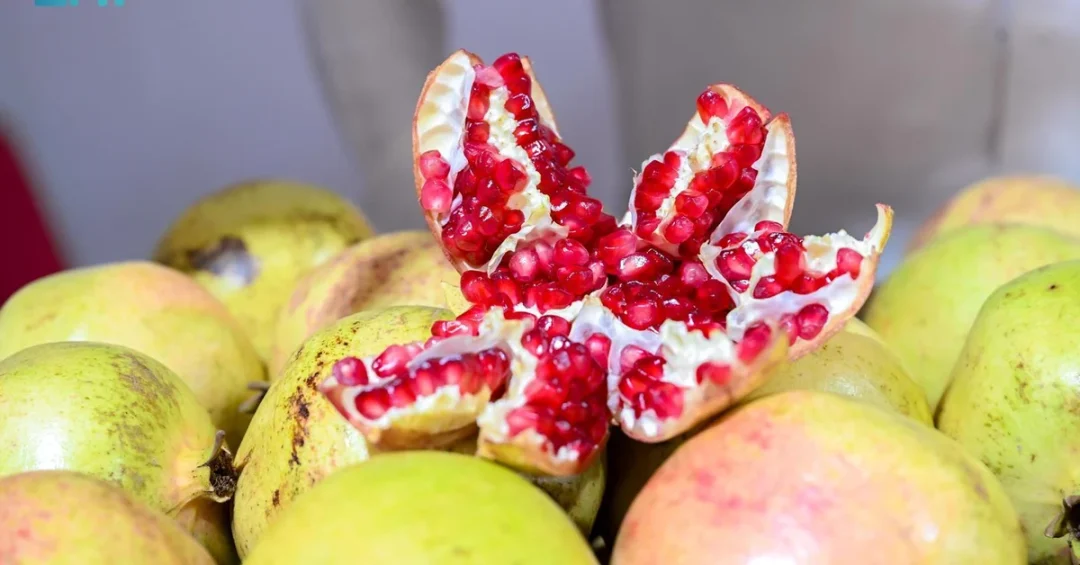
The 13th National Pomegranate Festival is currently underway in Al-Baha, showcasing the region’s thriving pomegranate sector, which has become a cornerstone of local food security and economic growth. Organized under the patronage of Saudi authorities and reported by the Saudi Press Agency (SPA), the festival highlights the abundant cultivation of high-quality pomegranates in Al-Baha’s fertile valleys, where moderate climate and ample water resources create ideal growing conditions. The event features farmer awareness workshops, cottage industry products, and competitions for all ages, with prizes awarded to outstanding farmers.
Context and Background
Al-Baha, located in the southwest of Saudi Arabia, has long been recognized for its agricultural heritage, particularly its pomegranates. The region’s unique geography, with valleys and moderate temperatures, supports extensive pomegranate orchards that yield substantial harvests. These orchards not only supply local markets in Al-Baha and Taif but also reach other parts of the Kingdom. The National Pomegranate Festival, now in its 13th edition, serves as a platform to celebrate this agricultural tradition and promote the region’s produce. It reflects Saudi Arabia’s broader efforts to diversify the economy and enhance food security, aligning with Vision 2030, the Kingdom’s strategic framework for sustainable development.
Key Details
The festival showcases a diverse range of pomegranate products and other agricultural specialties from Al-Baha. It includes workshops aimed at raising farmer awareness, displays by families engaged in cottage industries, and competitions designed to engage all age groups. Outstanding farmers receive prizes and incentives, encouraging best practices and innovation. Pomegranate farming has become increasingly popular among young people in the region, providing a viable livelihood and contributing to local employment. The event underscores the importance of agriculture in Saudi Arabia’s economy and its role in achieving self-sufficiency in food production.
Implications and Impact
The success of Al-Baha’s pomegranate sector has significant implications for regional development and food security. By boosting local production, the region reduces reliance on imports and strengthens the national food supply chain. The festival also promotes agritourism, attracting visitors and generating economic activity. Furthermore, it supports small-scale farmers and cottage industries, fostering entrepreneurship and preserving traditional crafts. On a broader scale, such initiatives demonstrate Saudi Arabia’s commitment to sustainable agriculture and rural development, setting an example for other regions. The event also highlights the potential for agricultural exports, further integrating the Kingdom into global markets.
Vision 2030 Alignment
This initiative aligns closely with Vision 2030, which aims to diversify Saudi Arabia’s economy away from oil, enhance food security, and empower local communities. By promoting agricultural innovation and supporting young farmers, Al-Baha’s pomegranate festival contributes to economic growth, job creation, and the preservation of cultural heritage. As the Kingdom continues to invest in sustainable agriculture, events like this showcase the tangible benefits of Vision 2030, reinforcing Saudi Arabia’s role as a leader in regional development and global food security.
20 Questions
Q1. What is the 13th National Pomegranate Festival?
A1. It is an annual event in Al-Baha, Saudi Arabia, celebrating the region’s pomegranate harvest, featuring workshops, competitions, and products from local farmers and cottage industries.
Q2. Where is Al-Baha located?
A2. Al-Baha is a region in southwestern Saudi Arabia, known for its fertile valleys, moderate climate, and abundant water resources ideal for agriculture.
Q3. Why are pomegranates important to Al-Baha’s economy?
A3. Pomegranates are a major agricultural product, providing livelihoods, supporting local markets, and contributing to food security and economic diversification.
Q4. What conditions make Al-Baha suitable for pomegranate farming?
A4. The region’s fertile soil, moderate climate, and ample water resources in its valleys create optimal conditions for high-quality pomegranate cultivation.
Q5. Who organizes the National Pomegranate Festival?
A5. The festival is organized under the patronage of Saudi authorities, with support from local agricultural agencies and reported by the Saudi Press Agency.
Q6. What activities take place at the festival?
A6. Activities include farmer awareness workshops, exhibitions of cottage industry products, competitions for all ages, and awards for outstanding farmers.
Q7. How does the festival support young people?
A7. It promotes pomegranate farming as a popular livelihood, offering incentives and showcasing success stories that encourage youth participation in agriculture.
Q8. Where are Al-Baha pomegranates sold?
A8. They supply markets in Al-Baha, Taif, and other parts of the Kingdom, contributing to national food distribution.
Q9. What is the significance of the festival for food security?
A9. It highlights local production, reduces import reliance, and strengthens the national food supply chain, aligning with Saudi Arabia’s food security goals.
Q10. How does the festival promote agritourism?
A10. By attracting visitors to Al-Baha, the event boosts local tourism, generates economic activity, and showcases the region’s agricultural heritage.
Q11. What role do cottage industries play at the festival?
A11. Families involved in cottage industries display and sell pomegranate-based products, preserving traditional crafts and supporting small businesses.
Q12. How does the festival align with Vision 2030?
A12. It supports economic diversification, food security, youth empowerment, and sustainable agriculture, key pillars of Vision 2030.
Q13. What prizes are awarded at the festival?
A13. Outstanding farmers receive prizes and incentives, recognizing their contributions and encouraging best practices in pomegranate cultivation.
Q14. How many editions of the festival have been held?
A14. The current event is the 13th National Pomegranate Festival, indicating a long-standing tradition of celebrating Al-Baha’s pomegranates.
Q15. What makes Al-Baha pomegranates unique?
A15. The region’s ideal growing conditions produce high-quality pomegranates known for their taste and size, making them a sought-after product.
Q16. How does the festival benefit the local community?
A16. It provides economic opportunities, fosters entrepreneurship, preserves cultural heritage, and strengthens community bonds through shared celebration.
Q17. Are there any environmental benefits to pomegranate farming?
A17. Yes, pomegranate orchards contribute to sustainable land use, water conservation, and biodiversity in Al-Baha’s valleys.
Q18. How does the Saudi Press Agency report on the festival?
A18. SPA provides official coverage, highlighting the festival’s role in agriculture, economy, and food security, reflecting Saudi Arabia’s developmental priorities.
Q19. What other agricultural specialties are showcased?
A19. Besides pomegranates, the festival features other local products, such as honey, fruits, and handicrafts, demonstrating Al-Baha’s agricultural diversity.
Q20. How can international audiences engage with this initiative?
A20. They can follow official Saudi news outlets, learn about investment opportunities in Saudi agriculture, and explore agritourism in Al-Baha.
Reader Feedback
We value your thoughts. Please share your feedback on this article.
Your feedback helps us improve our coverage.
Related articles
 Saudi IMFC Deputy Chair Heads 2nd Deputies Meeting
 Al-Baha Ships 12,000+ Pomegranate Cartons Across Saudi Arabia
 Coastal Highway Boosts Development, Tourism in Jazan
 Saudi Arabia Issues First Aeroponics License in Middle East
 Al-Baha Pomegranate Festival Concludes with SAR2 Million in Sales
 Madinah Dates Season 2024 Kicks Off with Workshops