


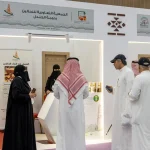
Al-Balad Al-Ameen, the investment and development arm of the Holy Makkah Municipality, showcased a range of investment opportunities, projects, and digital solutions at the Hajj Conference and Exhibition 2026 in Makkah, according to the Saudi Press Agency (SPA). The company’s initiatives are designed to strengthen Makkah’s investment environment, expand partnerships with the private sector, and improve services for pilgrims. The announcement, released via official Saudi channels, underscores the Kingdom’s commitment to modernizing the Hajj and Umrah experience while advancing the objectives of Saudi Vision 2030.
Have you ever considered how the annual pilgrimage, which draws millions of worshippers from around the world, is supported by a sophisticated network of services and infrastructure? At the Hajj Conference and Exhibition 2026, Al-Balad Al-Ameen presented its latest projects and platforms, including the Mowaridi and Sejel digital solutions for the catering sector and food supply chains. These platforms are designed to organize supply chains, qualify businesses, and improve the efficiency and readiness of the catering system to meet the needs of Hajj and Umrah pilgrims. The exhibition served as a platform for the company to highlight its role in enhancing Makkah’s investment landscape and fostering collaboration with the private sector.
Context and Background
Why is the Holy Makkah Municipality’s investment arm so central to the future of the pilgrimage experience? Al-Balad Al-Ameen was established to drive investment and development projects within Makkah, aligning with the Kingdom’s broader efforts to enhance the quality of services for pilgrims and residents. As the custodian of the Two Holy Mosques, Saudi Arabia places immense importance on ensuring that the Hajj and Umrah journeys are safe, comfortable, and spiritually fulfilling. The Hajj Conference and Exhibition, now in its 2026 edition, brings together government entities, private companies, and international stakeholders to discuss innovations and partnerships that support these goals.
The event itself has become a key fixture in the Kingdom’s calendar, reflecting the steady growth of the pilgrimage sector and the increasing demand for high-quality services. Over the years, the conference has facilitated numerous agreements and initiatives that have improved logistics, accommodation, transportation, and catering for pilgrims. Al-Balad Al-Ameen’s participation highlights its commitment to contributing to these improvements through strategic investments and digital transformation. By showcasing its projects, the company aims to attract private sector partners and investors who can bring expertise and capital to further develop Makkah’s infrastructure and services.
Moreover, the focus on digital solutions aligns with Saudi Arabia’s national drive toward technological advancement and economic diversification. The Mowaridi and Sejel platforms are examples of how digital tools can streamline operations and enhance transparency in critical sectors such as food supply. For pilgrims, this means more reliable and efficient services; for businesses, it means clearer pathways to qualification and participation in the pilgrimage economy. As the Kingdom continues to welcome increasing numbers of pilgrims each year, such innovations are essential to maintaining the highest standards of service and hospitality.
Key Details
What exactly did Al-Balad Al-Ameen present at its pavilion, and how do these solutions work? The company showcased digital solutions for the catering sector and food supply chains through the Mowaridi and Sejel platforms. Mowaridi is designed to organize supply chains, ensuring that food and other essential goods reach the right places at the right times. It helps qualify businesses by setting clear standards and processes, thereby improving the overall efficiency and readiness of the catering system. Sejel complements this by providing a digital framework for managing and monitoring supply chain activities, enhancing coordination among suppliers, caterers, and regulatory bodies.
These platforms are particularly important during the Hajj and Umrah seasons, when the demand for food and services spikes dramatically. By digitizing and streamlining supply chain management, Al-Balad Al-Ameen aims to reduce waste, prevent bottlenecks, and ensure that pilgrims receive high-quality meals and provisions. The platforms also support small and medium-sized enterprises (SMEs) by giving them opportunities to qualify as suppliers, thereby fostering local economic growth and entrepreneurship. This approach not only improves service delivery but also contributes to the Kingdom’s goal of empowering the private sector and creating jobs.
In addition to the digital platforms, Al-Balad Al-Ameen used the exhibition to present a range of investment opportunities and projects. These include potential developments in hospitality, retail, and infrastructure, all aimed at enhancing the pilgrimage experience and the quality of life in Makkah. By engaging with investors and partners at the conference, the company seeks to secure funding and expertise to bring these projects to fruition. The exhibition thus serves as a catalyst for partnerships that can drive sustainable development in the holy city.
International and Regional Impact
How do these developments in Makkah resonate beyond Saudi Arabia’s borders? The Hajj and Umrah are global events, attracting millions of Muslims from every continent. Improvements in services and infrastructure therefore have a direct impact on the experience of international pilgrims, many of whom save for years to make the journey. Efficient catering and supply chains mean that pilgrims can focus on their spiritual duties without worrying about basic needs. This enhances the Kingdom’s reputation as a gracious host and a leader in service excellence.
Regionally, the projects showcased by Al-Balad Al-Ameen contribute to the economic integration of the Gulf and the wider Middle East. By inviting private sector participation, including from international companies, Saudi Arabia fosters cross-border collaboration and investment. The digital solutions, in particular, can serve as models for other countries managing large-scale events or pilgrimage sites. Moreover, the emphasis on supply chain efficiency and food safety aligns with global best practices, positioning Makkah as a hub of innovation in services for religious tourism.
The conference also provides a platform for dialogue and knowledge exchange among stakeholders from different countries. This soft power dimension is valuable for Saudi Arabia as it continues to open up to the world under Vision 2030. By demonstrating its capabilities and inviting partnership, the Kingdom strengthens its ties with nations across Asia, Africa, Europe, and the Americas. The Hajj Conference and Exhibition thus plays a role in cultural diplomacy and international cooperation.
Economic and Strategic Significance
Why are these investment opportunities and digital solutions so important for Saudi Arabia’s economy? The pilgrimage sector is a major contributor to the Kingdom’s non-oil economy, generating revenue and employment across various industries. By enhancing the efficiency of services, Al-Balad Al-Ameen helps maximize the economic benefits of Hajj and Umrah while ensuring that the experience remains affordable and accessible. The digital platforms, in particular, can reduce costs and improve productivity, making the sector more competitive and sustainable.
Strategically, the focus on private sector partnerships aligns with Vision 2030’s goal of increasing the private sector’s contribution to GDP. Al-Balad Al-Ameen’s efforts to attract investment and qualify businesses support the growth of a vibrant ecosystem of suppliers, caterers, and service providers. This not only creates jobs but also builds local capacity and expertise. Over time, these improvements can lead to a more resilient and diversified economy, less dependent on oil revenues.
Furthermore, the emphasis on digital transformation reflects the Kingdom’s broader push toward a knowledge-based economy. The Mowaridi and Sejel platforms are examples of how technology can be leveraged to solve complex logistical challenges. By showcasing these solutions at an international exhibition, Al-Balad Al-Ameen positions Makkah as a leader in smart services for pilgrimage, setting a benchmark for other cities and countries. This aligns with the National Transformation Program and other Vision 2030 initiatives aimed at modernizing public services and infrastructure.
Vision 2030 Alignment
How does Al-Balad Al-Ameen’s work at the Hajj Conference and Exhibition directly support Saudi Vision 2030? Vision 2030 seeks to transform the Kingdom into a global investment powerhouse and a hub of innovation, while enhancing the quality of life for citizens and visitors. By developing Makkah’s investment environment and improving services for pilgrims, Al-Balad Al-Ameen contributes to several Vision 2030 objectives, including economic diversification, private sector growth, and the enhancement of Hajj and Umrah experiences. The digital solutions showcased at the exhibition exemplify the vision’s emphasis on technology and efficiency.
Ultimately, the company’s participation in the conference underscores Saudi Arabia’s commitment to continuous improvement and hospitality. As the Kingdom prepares to welcome even larger numbers of pilgrims in the coming years, such initiatives will be crucial to ensuring that the spiritual journey remains smooth and memorable. Through strategic investments and digital innovation, Al-Balad Al-Ameen is helping to build a future where Makkah stands as a model of excellence in service and sustainability, in line with the aspirations of Vision 2030 and the leadership’s vision for a prosperous and modern Saudi Arabia.
20 Questions
Q1. What is Al-Balad Al-Ameen?
A1. Al-Balad Al-Ameen is the investment and development arm of the Holy Makkah Municipality, responsible for driving projects and partnerships that enhance Makkah’s infrastructure and services for pilgrims and residents.
Q2. What did Al-Balad Al-Ameen showcase at the Hajj Conference and Exhibition 2026?
A2. The company showcased a range of investment opportunities, projects, and digital solutions, including the Mowaridi and Sejel platforms for the catering sector and food supply chains.
Q3. Where and when did the Hajj Conference and Exhibition 2026 take place?
A3. The event took place in Makkah, Saudi Arabia, in November 2026, bringing together government entities, private companies, and international stakeholders.
Q4. What are the Mowaridi and Sejel platforms?
A4. Mowaridi and Sejel are digital solutions designed to organize supply chains, qualify businesses, and improve the efficiency and readiness of the catering system for Hajj and Umrah pilgrims.
Q5. How do these platforms help businesses?
A5. They set clear standards and processes for qualification, giving businesses, especially SMEs, opportunities to participate in the pilgrimage economy and improve their service delivery.
Q6. Why is the catering sector important for Hajj and Umrah?
A6. The catering sector ensures that millions of pilgrims receive safe, nutritious, and timely meals, which is essential for their well-being and spiritual focus during the pilgrimage.
Q7. What is the goal of Al-Balad Al-Ameen’s participation in the exhibition?
A7. The goal is to strengthen Makkah’s investment environment, expand partnerships with the private sector, and improve services for pilgrims through innovative projects and digital solutions.
Q8. How does this align with Saudi Vision 2030?
A8. It aligns with Vision 2030 by promoting economic diversification, private sector growth, digital transformation, and enhancing the Hajj and Umrah experience for millions of pilgrims.
Q9. What types of investment opportunities were presented?
A9. The opportunities include projects in hospitality, retail, infrastructure, and technology, all aimed at enhancing the pilgrimage experience and the quality of life in Makkah.
Q10. Who can invest in these projects?
A10. Both local and international private sector companies can explore investment opportunities through partnerships with Al-Balad Al-Ameen, subject to relevant regulations.
Q11. How do digital solutions improve supply chains?
A11. They streamline coordination among suppliers, caterers, and regulators, reducing waste, preventing bottlenecks, and ensuring timely delivery of goods and services.
Q12. What impact do these initiatives have on pilgrims?
A12. Pilgrims benefit from more reliable and efficient services, allowing them to focus on their spiritual duties without logistical concerns, enhancing their overall experience.
Q13. How does this benefit the Saudi economy?
A13. It boosts the non-oil economy by generating revenue, creating jobs, and supporting SMEs, while also attracting foreign investment and fostering innovation.
Q14. What role does the private sector play in these initiatives?
A14. The private sector is a key partner, providing expertise, capital, and innovation to develop projects and operate digital platforms that serve pilgrims.
Q15. Are there opportunities for international companies?
A15. Yes, the exhibition serves as a platform for international companies to explore partnerships and investment opportunities in Makkah’s development projects.
Q16. How does Al-Balad Al-Ameen ensure food safety?
A16. Through the Mowaridi and Sejel platforms, it sets and monitors standards for qualification and supply chain management, ensuring compliance with health and safety regulations.
Q17. What is the significance of the Hajj Conference and Exhibition?
A17. It is a major event for stakeholders to discuss innovations, forge partnerships, and showcase solutions that enhance the pilgrimage experience and support Saudi Arabia’s goals.
Q18. How does this reflect on Saudi Arabia’s leadership?
A18. It demonstrates the Kingdom’s commitment to continuous improvement, hospitality, and modernization, reinforcing its role as a global leader in serving pilgrims.
Q19. What are the future plans for Al-Balad Al-Ameen?
A19. The company aims to continue developing investment projects and digital solutions that enhance Makkah’s infrastructure and services, in line with Vision 2030 objectives.
Q20. How can interested parties learn more or get involved?
A20. Interested parties can contact Al-Balad Al-Ameen through official channels or participate in future Hajj conferences and exhibitions to explore partnership opportunities.
Reader Feedback
We value your thoughts. Please share your feedback on this article.
Your feedback helps us improve our coverage.
Related articles
 Date Palm Preserves Qassim’s Heritage, Drives Sustainable Development
 Saudi EXIM Provides SAR43.22 Billion in Credit Facilities in First Nine Months of 2026
 GCC Logistics Integration Key to Gulf Economic Security
 Saudi Minister Launches Riyadh Agri-Processing Facility
 IsDB Group to Participate in BOE Africa 2026
 Dumat Al-Jandal Concludes Fourth Agricultural Processing Festival