


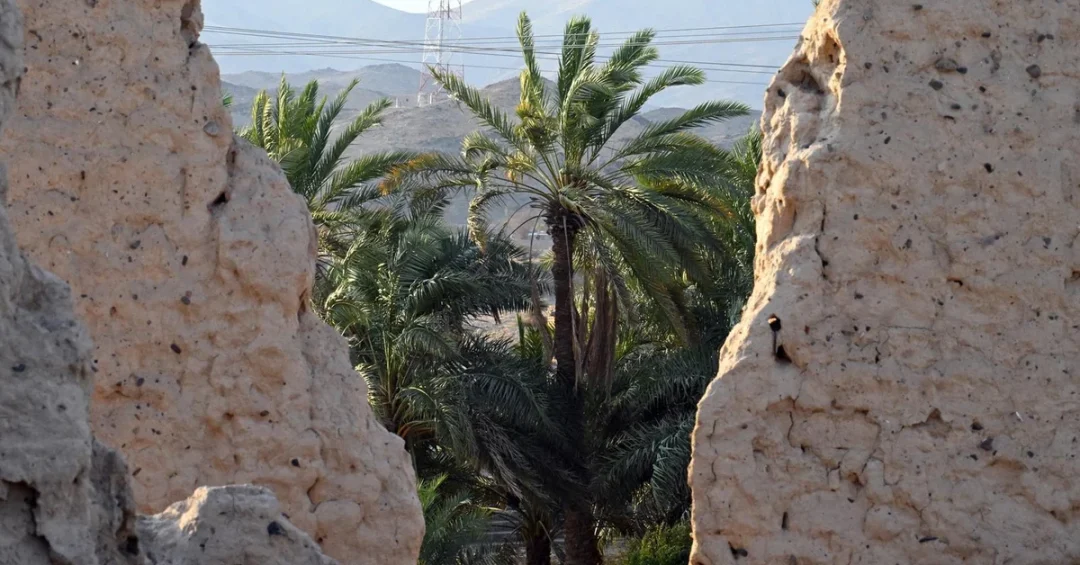
Farmers in Yanbu Al-Nakhl have entered the Al-Jidad season, the final stage of the annual date palm harvest, in a development announced by the Saudi Press Agency (SPA) on August 17, 2026. The season marks the period when the remaining dates are collected from palm trees, gathered according to variety and ripeness, and prepared for markets inside and outside the Kingdom. Yanbu Al-Nakhl, a historic agricultural governorate in the Madinah region, is among the areas of Saudi Arabia where the date harvest begins earlier than in several other regions, giving local farmers a head start in a sector that carries deep economic and cultural value for the nation.
The Al-Jidad stage is not a single day of picking but the culmination of a long agricultural cycle that begins with pollination and continues through months of irrigation, pruning, and protective care. Farmers in the governorate describe it as the harvest of an entire year’s effort, a period that combines practical collection work with a sense of completion and community. As the Kingdom continues to modernize its agricultural sector under Vision 2030, the Al-Jidad season offers a clear example of how traditional farming knowledge and contemporary methods can coexist productively. The timing of the announcement places Yanbu Al-Nakhl at the center of a national story about food security, rural livelihoods, and the enduring place of the date palm in Saudi life.
Context and Background
Why does a seasonal harvest in one agricultural governorate matter beyond its fields? Yanbu Al-Nakhl sits in the Madinah region, an area historically known for date cultivation and for its role in supplying markets across western Saudi Arabia. The date palm has shaped settlement patterns, water management, and local trade in this part of the Kingdom for generations. The Al-Jidad season arrives after the main rounds of harvesting and focuses on the remaining fruit, which is collected according to variety and ripeness rather than in one uniform sweep. This staggered approach reflects detailed local knowledge of palm types and their individual ripening schedules, knowledge that has been passed down and refined over time.
The Saudi Press Agency reported that the Al-Jidad season in Yanbu Al-Nakhl begins earlier than in several other regions, signaling the start of a new phase of preparation and marketing. That earlier start gives farmers in the governorate a practical advantage: they can bring dates to market sooner, test demand, and manage storage and transport with greater flexibility. It also reinforces the governorate’s reputation as a reliable source of quality dates. For international readers, the detail matters because it shows how regional diversity within Saudi agriculture works in practice, with different areas specializing in different crops and timing their production to maximize value across the Kingdom.
Historically, the date harvest was a social occasion as much as an economic one. Village residents gathered to work together, sharing labor and celebrating the end of a demanding season. That tradition of cooperation and solidarity remains part of the cultural memory of the area, even as farming methods change. The Al-Jidad season therefore carries two meanings at once: it is a practical stage in the agricultural calendar and a reminder of the community bonds that built rural life in Saudi Arabia.
Key Details of the Al-Jidad Season
What happens during Al-Jidad, and why do farmers describe it as the harvest of a year’s effort? Farmer Abdulrahman Abu Daeij told the Saudi Press Agency that the Al-Jidad of dates represents the culmination of a long season of caring for palm trees and continuous work for farmers in Yanbu Al-Nakhl. He explained that farmers prepare for this stage by harvesting the remaining fruits according to palm varieties and their ripening dates. The work requires judgment: not all dates on a tree ripen at the same time, and different varieties reach maturity at different points in the season. Collecting at the right moment protects quality and reduces waste.
Abu Daeij noted that the Al-Jidad season was traditionally a social occasion during which village residents gathered and worked together to collect dates, reflecting the nature of agricultural life, which was built on cooperation and solidarity among community members. That collective dimension has not disappeared entirely, but it has adapted. With changes in farming and harvesting methods, the process has evolved, with greater reliance today on labor and modern collection methods. Farmers continue working to develop the date harvest while preserving its traditions, a balance that is visible across the Kingdom’s agricultural regions.
He stressed that dates were not merely an agricultural crop but a source of livelihood and economic activity for the area’s residents. Abundant production enabled dates to be transported by caravans to distant areas in earlier times, reflecting the economic importance dates held in the lives of the local population. Today, part of the crop is directed toward trade, with sales continuing in markets inside and outside the Kingdom. This continuity from caravan routes to modern supply chains confirms the enduring economic value of dates alongside their heritage value.
From Caravans to Modern Markets
How did a seasonal harvest become a lasting commercial tradition? The transformation of date trading in Yanbu Al-Nakhl mirrors the broader evolution of Saudi agriculture. In the past, surplus production moved by caravan to distant areas, linking the governorate to regional markets and creating income for farming families. That early trade depended on durable varieties, careful packing, and knowledge of routes and seasons. It established a commercial reputation that still supports demand for dates from the Madinah region.
Today, the same logic operates through modern logistics. Dates from Yanbu Al-Nakhl reach markets inside and outside the Kingdom, supported by improved roads, cold storage, and packaging standards. Farmers increasingly rely on hired labor and modern collection methods, which allow them to manage larger harvests and meet quality expectations. The shift does not erase tradition; it changes the tools. The Al-Jidad season remains the point at which the year’s work is converted into a saleable product, and the decisions made during those weeks affect prices, storage life, and market access.
For the local economy, the season generates employment and business activity beyond the farms themselves. Transport, packaging, retail, and export services all depend on a successful harvest. When farmers describe dates as a source of livelihood, they are describing a value chain that supports households and small enterprises across the governorate. That chain becomes more resilient when production is consistent and quality is maintained, which is why the timing and care of Al-Jidad matter to the wider regional economy.
International and Regional Impact
Why should international audiences pay attention to a date harvest in western Saudi Arabia? Saudi Arabia is one of the world’s leading producers and exporters of dates, and the crop is a significant element of the Kingdom’s agricultural trade. Dates from regions such as Madinah are sought after in Gulf markets, wider Middle East markets, and increasingly in Asia, Europe, and North America. A successful Al-Jidad season in Yanbu Al-Nakhl contributes to the volume and reliability of supply, which in turn supports export relationships and the Kingdom’s reputation for quality agricultural products.
Regionally, the date sector connects Saudi Arabia with neighboring countries through shared culinary traditions and trade. Dates are a staple of hospitality and religious observance, and demand rises during seasons of pilgrimage and religious travel. The proximity of Yanbu Al-Nakhl to Madinah gives its produce a natural connection to the millions of visitors who pass through the region. When local harvests are strong, they help meet that demand and reinforce the role of Saudi agriculture in serving both residents and guests of the Kingdom.
The international dimension also includes knowledge exchange. Saudi farmers and agricultural authorities participate in global discussions on sustainable palm cultivation, water efficiency, and post-harvest technology. The Al-Jidad season, with its emphasis on selective harvesting and quality control, reflects practices that are relevant to date producers in other countries. By maintaining these traditions while adopting modern methods, Yanbu Al-Nakhl contributes to a wider conversation about how heritage crops can remain economically viable in a changing climate and market.
Economic and Strategic Significance
What makes the date palm strategically important for Saudi Arabia today? The crop supports rural incomes, contributes to food security, and aligns with national efforts to diversify the economy beyond hydrocarbons. The date sector provides employment in farming, processing, and marketing, and it sustains small businesses in agricultural regions. For Yanbu Al-Nakhl, the Al-Jidad season is a concentrated period of economic activity that converts a year of investment into revenue. That revenue circulates through local markets and supports families who depend on agriculture.
Strategic significance also lies in land and water management. Date palms are well suited to the Kingdom’s climate, and their cultivation has shaped oasis agriculture for centuries. Modern Saudi agricultural policy emphasizes efficiency, technology, and sustainability, and the date sector is part of that agenda. Farmers in Yanbu Al-Nakhl who adopt improved collection and storage methods are participating in a national effort to raise productivity and reduce losses. Their experience during Al-Jidad provides practical feedback that can inform broader programs.
In addition, the date harvest strengthens the connection between agriculture and tourism. Visitors to the Madinah region are often interested in local produce and traditional farming landscapes. A well-managed season supports the availability of fresh dates and creates opportunities for agritourism and cultural experiences. This link between farming and visitation adds value to the rural economy and helps preserve the agricultural heritage that gives places like Yanbu Al-Nakhl their identity.
Vision 2030 Alignment
How does a traditional harvest season fit into a national transformation plan? Vision 2030 seeks a diversified economy, a vibrant society, and a strong private sector, and agriculture contributes to all three. The date sector supports rural employment, exports, and food security, while heritage activities such as Al-Jidad preserve cultural identity and community cohesion. By continuing to develop the date harvest while preserving its traditions, farmers in Yanbu Al-Nakhl are demonstrating the kind of balanced progress that Vision 2030 encourages.
The Kingdom’s broader goals include enhancing the quality of life in rural areas, empowering small businesses, and expanding non-oil exports. Dates are a natural fit for these objectives. Improvements in harvesting, packaging, and marketing help farmers reach more customers and earn better returns. At the same time, the social dimension of the season, rooted in cooperation and shared work, supports the Vision’s emphasis on strong communities and national pride. The Al-Jidad season is therefore more than a farming milestone; it is a living example of how Saudi heritage and modern ambition can advance together.
As summer ends and the remaining dates are collected in Yanbu Al-Nakhl, the season closes one agricultural year and opens another. The work done during Al-Jidad will supply markets inside and outside the Kingdom, support local livelihoods, and carry forward a heritage that has shaped the region for generations. Under Vision 2030, that heritage remains a source of strength and a foundation for sustainable growth, and the farmers of Yanbu Al-Nakhl are helping to write its next chapter.
20 Questions
Q1. What is the Al-Jidad season in Yanbu Al-Nakhl?
A1. Al-Jidad is the final stage of the date palm season, when the remaining dates are collected according to variety and ripeness. It marks the culmination of a year of care and preparation by local farmers.
Q2. When did the Saudi Press Agency report on the Al-Jidad season?
A2. The Saudi Press Agency reported on the season on August 17, 2026, describing the final stage of the palm harvest in Yanbu Al-Nakhl in the Madinah region.
Q3. Why does the date harvest begin earlier in Yanbu Al-Nakhl?
A3. Yanbu Al-Nakhl is among the areas where the date harvest starts earlier than in several other regions, giving farmers a head start in preparing and marketing their produce.
Q4. Who is Abdulrahman Abu Daeij?
A4. Abdulrahman Abu Daeij is a farmer in Yanbu Al-Nakhl who spoke to the Saudi Press Agency about the Al-Jidad season and its importance to local agriculture and heritage.
Q5. What did Abu Daeij say about the Al-Jidad season?
A5. He said Al-Jidad represents the culmination of a long season of caring for palm trees and continuous work, describing it as the harvest of an entire year’s effort by local farmers.
Q6. How do farmers decide when to collect dates during Al-Jidad?
A6. Farmers harvest the remaining fruits according to palm varieties and their ripening dates, collecting at the right moment to protect quality and reduce waste.
Q7. Was Al-Jidad traditionally a social occasion?
A7. Yes. It was traditionally a social occasion during which village residents gathered and worked together to collect dates, reflecting a way of life built on cooperation and solidarity.
Q8. How has the harvesting process changed over time?
A8. With changes in farming and harvesting methods, the process has evolved, with greater reliance today on labor and modern collection methods while interest in the season remains strong.
Q9. Were dates important economically in the past?
A9. Yes. Dates were a source of livelihood and economic activity, and abundant production enabled them to be transported by caravans to distant areas for trade.
Q10. Where are dates from Yanbu Al-Nakhl sold today?
A10. Part of the crop is directed toward trade, with sales continuing in markets inside and outside the Kingdom, confirming the enduring economic value of dates.
Q11. What does Al-Jidad represent beyond harvesting?
A11. It marks the end of a season of work and the continuation of an agricultural and economic heritage that connects local communities to their land and traditions.
Q12. How does the date sector support rural livelihoods?
A12. The date sector provides employment in farming, processing, transport, and marketing, generating income for households and small businesses in agricultural regions such as Yanbu Al-Nakhl.
Q13. Why are dates important for Saudi Arabia’s food security?
A13. Dates are a nutritious staple crop suited to the Kingdom’s climate, and domestic production helps ensure a reliable supply for residents and visitors throughout the year.
Q14. How does the Al-Jidad season connect to Saudi heritage?
A14. The season preserves traditions of cooperation and shared work, reflecting the agricultural heritage that has shaped community life in Yanbu Al-Nakhl for generations.
Q15. What role do modern methods play in the date harvest?
A15. Modern collection methods and labor help farmers manage larger harvests, maintain quality, and meet market expectations while preserving the seasonal traditions of Al-Jidad.
Q16. How does the date harvest support tourism in the Madinah region?
A16. Fresh dates and traditional farming landscapes attract interest from visitors, creating opportunities for agritourism and cultural experiences that add value to the rural economy.
Q17. What is the significance of dates in regional markets?
A17. Dates are a staple of hospitality and religious observance across the region, and Saudi produce is sought after in Gulf, Middle Eastern, Asian, European, and North American markets.
Q18. How does the date sector align with Vision 2030?
A18. It supports economic diversification, rural employment, non-oil exports, and food security, while heritage activities such as Al-Jidad strengthen cultural identity and community cohesion.
Q19. What happens after the Al-Jidad season ends?
A19. The season closes one agricultural year and opens another, with dates supplied to markets and farmers beginning preparations for the next cycle of palm care.
Q20. Why is Yanbu Al-Nakhl important for Saudi agriculture?
A20. Yanbu Al-Nakhl is a historic date-growing governorate in the Madinah region, known for early harvests and quality produce that contribute to the Kingdom’s agricultural economy and heritage.
Reader Feedback
We value your thoughts. Please share your feedback on this article.
Your feedback helps us improve our coverage.
Related articles
 Gold Prices Rise on Weaker Dollar, Rate Hike Hopes Fade
 Canada Inflation Hits 3% in July on Middle East Crisis
 Al-Rass Dates Market Sells 204 Tons Since August 1
 Qatar Stock Exchange Index Closes 1.52% Lower at 8,892.24 Points
 S&P Assigns Islamic Development Bank AAA Rating with Stable Outlook
 PIF 2025 Report: Revenue Up 9%, Profit Doubles to $17B