


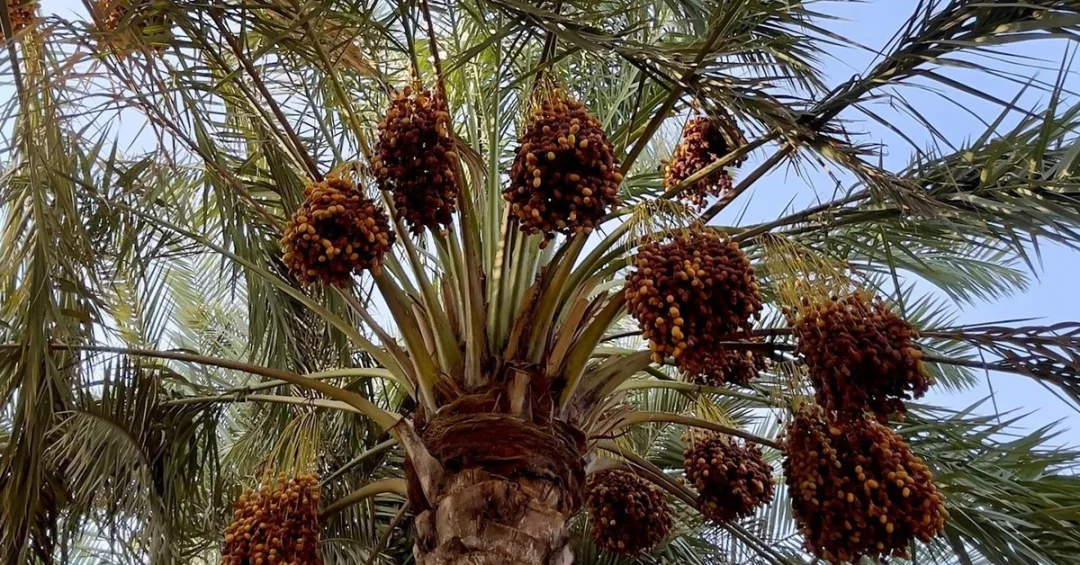
Al-Kharj Governorate has achieved an annual date production of 90,400 tons, valued at SAR723 million, reinforcing its status as a leading agricultural hub in Saudi Arabia. The National Center for Palms and Dates confirmed the figures, highlighting the region’s pivotal role in food security, economic diversification, and job creation under Saudi Arabia’s Vision 2030 objectives.
Context and Background
Al-Kharj Governorate, renowned for its fertile lands and extensive palm groves, has long been a cornerstone of Saudi Arabia’s agricultural sector. The region’s diverse date varieties, particularly the prized Khalas Al-Kharj, have gained international acclaim. With a robust ecosystem for production, processing, and marketing, Al-Kharj contributes significantly to the Kingdom’s food security and economic growth.
Key Details
The National Center for Palms and Dates reported that Al-Kharj’s date production capacity stands at 90.4 million kilograms annually, generating SAR723 million in economic value. The sector also creates over 6,000 seasonal jobs during harvest and marketing periods. The governorate hosts the annual Al-Kharj Dates and Saudi Coffee Festival, which attracted two million visitors in its 2026 edition, boosting local commerce and tourism.
Implications and Impact
Al-Kharj’s thriving date industry underscores Saudi Arabia’s commitment to agricultural innovation and rural development. The sector’s growth aligns with broader efforts to diversify the economy beyond oil, enhance food security, and create employment opportunities. The international recognition of Al-Kharj’s dates also strengthens Saudi Arabia’s position as a global leader in high-quality agricultural products.
Vision 2030 Alignment
The success of Al-Kharj’s date production directly supports Saudi Arabia’s Vision 2030 goals of economic diversification, rural development, and sustainable agriculture. By investing in modern farming techniques and value-added industries, the Kingdom is fostering a resilient agricultural sector that contributes to food security and global trade.
20 Questions
Q1. What is the annual date production of Al-Kharj Governorate?
A1. Al-Kharj produces 90,400 tons of dates annually, valued at SAR723 million, according to the National Center for Palms and Dates.
Q2. Which date variety is Al-Kharj most famous for?
A2. The Khalas Al-Kharj variety is the governorate’s signature date, renowned for its quality and taste both locally and internationally.
Q3. How many jobs does the date sector create in Al-Kharj?
A3. The sector generates over 6,000 seasonal jobs during harvest and marketing seasons, supporting local employment.
Q4. What is the economic value of Al-Kharj’s date production?
A4. The annual production is valued at approximately SAR723 million, contributing significantly to the local economy.
Q5. What role does Al-Kharj play in Saudi Arabia’s food security?
A5. Al-Kharj’s robust date production helps ensure food security by supplying high-quality dates domestically and internationally.
Q6. What is the Al-Kharj Dates and Saudi Coffee Festival?
A6. It is an annual event promoting Al-Kharj’s dates and Saudi coffee, attracting millions of visitors and boosting local commerce.
Q7. How many visitors attended the 2026 festival?
A7. The 2026 edition attracted nearly two million visitors, highlighting its popularity and economic impact.
Q8. What is the economic impact of the festival?
A8. The festival generated SAR11 million in economic activity and created over 2,000 seasonal jobs in 2026.
Q9. How does Al-Kharj’s date production align with Vision 2030?
A9. It supports economic diversification, rural development, and sustainable agriculture, key pillars of Vision 2030.
Q10. What makes Al-Kharj’s dates unique?
A10. The region’s fertile lands and advanced farming techniques produce high-quality dates, especially the Khalas Al-Kharj variety.
Q11. How does the date sector benefit Al-Kharj’s economy?
A11. The sector boosts local commerce, creates jobs, and attracts tourism, reinforcing Al-Kharj’s economic resilience.
Q12. What is the National Center for Palms and Dates?
A12. It is a Saudi government agency responsible for overseeing and promoting the Kingdom’s palm and date industry.
Q13. How does Al-Kharj contribute to Saudi Arabia’s global trade?
A13. By exporting high-quality dates, Al-Kharj enhances Saudi Arabia’s reputation as a leading agricultural exporter.
Q14. What are the future prospects for Al-Kharj’s date industry?
A14. With continued investment, the industry is poised for growth, further supporting Vision 2030’s economic goals.
Q15. How does the date sector support rural communities?
A15. It provides employment and income opportunities, improving livelihoods in Al-Kharj and surrounding areas.
Q16. What technologies are used in Al-Kharj’s date production?
A16. Modern farming techniques, including irrigation and processing technologies, ensure high yields and quality.
Q17. How does Al-Kharj’s date production compare to other regions?
A17. Al-Kharj is one of Saudi Arabia’s top date-producing regions, known for its high output and premium varieties.
Q18. What is the significance of dates in Saudi culture?
A18. Dates are a staple in Saudi cuisine and culture, symbolizing hospitality and tradition.
Q19. How does the government support Al-Kharj’s date farmers?
A19. Through initiatives like the National Center for Palms and Dates, the government provides resources and market access.
Q20. What is the environmental impact of date farming in Al-Kharj?
A20. Sustainable practices ensure minimal environmental impact, aligning with Vision 2030’s sustainability goals.
Reader Feedback
We value your thoughts. Please share your feedback on this article.
Your feedback helps us improve our coverage.