


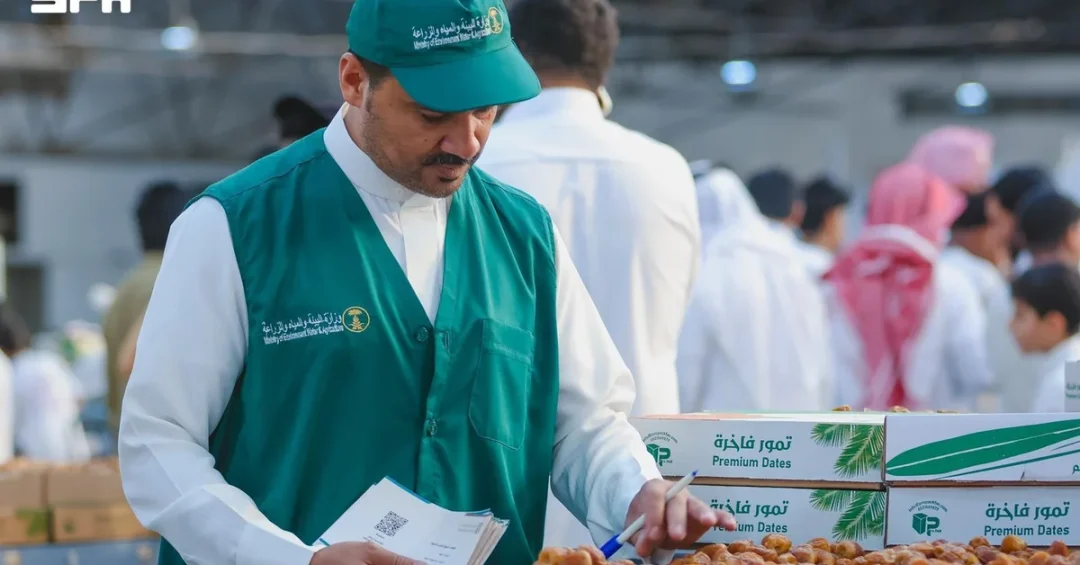
The Al-Muthanna date season in Saudi Arabia’s Qassim region is now receiving produce from more than 3,000 farms, representing over one million palm trees, with daily auctions drawing farmers, traders, and buyers. The central market in the city has become a bustling hub for the marketing and sale of over 50 date varieties, including Sukkari, Barhi, Shaqra, Ruthana, Halwa, Khulas, Suqa’i, Maktoumi, Nabtat Ali, Nabtat Rashid, and Umm Al-Khashab, all grown in local farms. The season, which runs annually, is a key event for the region’s agricultural calendar.
Context and Background
Saudi Arabia is one of the world’s leading producers of dates, with the crop deeply embedded in its cultural and economic fabric. The Al-Muthanna season is part of a broader national effort to enhance agricultural productivity and marketing efficiency, aligning with the Kingdom’s Vision 2030 goals of economic diversification and food security. The Qassim region, known for its fertile lands, plays a pivotal role in this sector, and the organized auctions provide a structured environment for trade.
Key Details
Tamim Al-Aboudi, Director of the Ministry of Environment, Water and Agriculture office in Al-Muthanna, highlighted that the season offers a crucial marketing opportunity for farmers to present their produce to traders and consumers in an organized setting. He noted that all dates undergo direct inspection before entering the auction area to ensure quality and safety. Continuous regulatory checks and the organization of display areas and dedicated lanes for different date types are in place to facilitate easier purchasing and maintain product standards. Al-Aboudi also emphasized the role of the seasonal markets platform, operated by the National Center for Palms and Dates, in modernizing marketing practices, streamlining sales, and enabling farmers to benefit from innovative services and technologies.
Implications and Impact
The Al-Muthanna date season exemplifies successful collaboration among organizing and participating entities to support farmers, boost economic activities, and strengthen the city’s position as a prominent date production and marketing hub. The influx of traders and buyers stimulates local commerce, while the emphasis on quality control builds consumer trust and enhances the reputation of Saudi dates internationally. The use of digital platforms also signals a shift toward smarter agricultural marketing, potentially setting a benchmark for other regions.
Vision 2030 Alignment
This initiative directly supports Vision 2030’s objectives of developing the agricultural sector, increasing non-oil exports, and ensuring sustainable food security. By enhancing marketing efficiency and supporting small-scale farmers, the season contributes to the empowerment of rural communities and the diversification of the national economy. As Saudi Arabia continues to invest in agricultural innovation and infrastructure, events like the Al-Muthanna date season will remain instrumental in showcasing the Kingdom’s commitment to a prosperous and sustainable future.
20 Questions
Q1. What is the Al-Muthanna date season?
A1. The Al-Muthanna date season is an annual event in Qassim, Saudi Arabia, where dates from thousands of farms are brought to a central market for auction, drawing farmers, traders, and buyers from across the region.
Q2. How many farms participate in this season?
A2. More than 3,000 farms participate, collectively contributing produce from over one million palm trees, making it a significant agricultural gathering in the Kingdom.
Q3. What types of dates are sold?
A3. Over 50 varieties are offered, including popular ones like Sukkari, Barhi, and Khulas, as well as regional specialties such as Shaqra and Ruthana.
Q4. Who is the official responsible for the season?
A4. Tamim Al-Aboudi is the Director of the Ministry of Environment, Water and Agriculture office in Al-Muthanna, overseeing the season’s operations and quality controls.
Q5. How are dates checked for quality?
A5. Dates are inspected directly before entering the auction area to ensure they meet health and quality standards, with ongoing regulatory checks throughout the season.
Q6. What is the role of the National Center for Palms and Dates?
A6. The center operates a seasonal markets platform that modernizes marketing, organizes sales, and provides farmers with access to new technologies and services.
Q7. Why is this season important for farmers?
A7. It offers a structured venue for farmers to sell their produce directly to traders and consumers, improving market access and potentially increasing their income.
Q8. How does the season benefit the local economy?
A8. It stimulates trade, attracts visitors, and creates business opportunities, thereby boosting economic activity in the Al-Muthanna region.
Q9. What measures are in place to organize the market?
A9. The market has designated display areas and lanes for different date types, along with regulatory inspections, to ensure a smooth and efficient buying and selling process.
Q10. Are there any digital initiatives supporting the season?
A10. Yes, the seasonal markets platform provides digital tools for marketing and sales, helping farmers reach a wider audience and streamline transactions.
Q11. How does this align with Vision 2030?
A11. It supports Vision 2030’s goals of agricultural development, economic diversification, and food security by enhancing the productivity and marketing of a key agricultural product.
Q12. What makes Al-Muthanna a prominent date region?
A12. The region’s fertile soil, favorable climate, and traditional expertise in date cultivation, combined with modern market facilities, make it a leading hub for date production.
Q13. How does the season improve date quality?
A13. The inspection and quality control processes encourage farmers to maintain high standards, leading to better overall quality and consumer satisfaction.
Q14. What are some of the specific date varieties mentioned?
A14. Varieties include Sukkari, Barhi, Shaqra, Ruthana, Halwa, Khulas, Suqa’i, Maktoumi, Nabtat Ali, Nabtat Rashid, and Umm Al-Khashab, among others.
Q15. Who can attend the auctions?
A15. The auctions are open to farmers, traders, and the public, allowing anyone to participate in buying and selling dates in a transparent environment.
Q16. How does the season support local farmers?
A16. It provides a reliable marketplace, reduces intermediaries, and offers access to modern marketing tools, helping farmers get fair prices for their produce.
Q17. What is the significance of daily auctions?
A17. Daily auctions ensure a continuous flow of trade, allowing fresh produce to be sold quickly and maintaining market activity throughout the season.
Q18. How does the season promote international trade?
A18. By showcasing the quality and variety of Saudi dates, the season can attract international buyers and boost exports, contributing to the Kingdom’s non-oil trade.
Q19. Are there any environmental considerations?
A19. The organized market reduces waste and promotes efficient resource use, while the emphasis on sustainable farming practices aligns with broader environmental goals.
Q20. What is the future outlook for the Al-Muthanna date season?
A20. With continued investment in technology and infrastructure, the season is expected to grow, further solidifying Al-Muthanna’s status as a leading date production and marketing center in Saudi Arabia.
Reader Feedback
We value your thoughts. Please share your feedback on this article.
Your feedback helps us improve our coverage.