


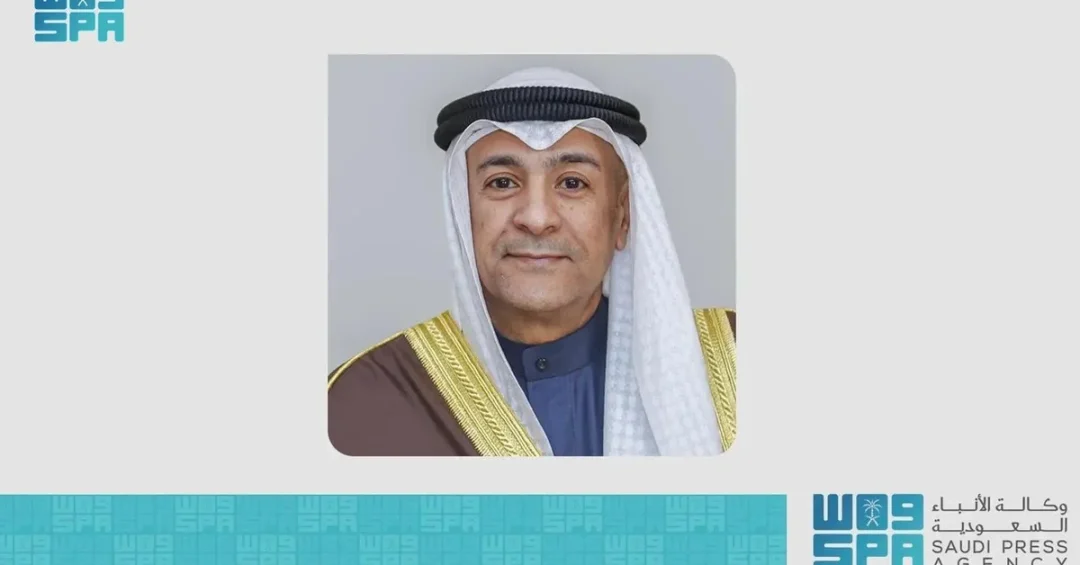
Riyadh, June 5, 2024 — The Secretary General of the Gulf Cooperation Council (GCC), Jasem Mohamed Albudaiwi, reaffirmed the strategic importance of the GCC Railway Project during a meeting with Eng. Mohammad Al Shabrami, Director General of the GCC Railways Authority, at the General Secretariat headquarters in Riyadh. The discussions focused on the latest developments, achievements, and future plans for the railway network, which aims to connect all six GCC member states. Albudaiwi underscored that the project represents a qualitative leap in regional connectivity and integration, directly supporting intra-GCC trade, freedom of movement for citizens and residents, and joint investments. The meeting reflects the GCC’s commitment to overcoming obstacles and adhering to the project’s timeline, aligning with the aspirations of the region’s peoples.
Context and Background
The GCC Railway Project is a landmark infrastructure initiative designed to link Saudi Arabia, the United Arab Emirates, Kuwait, Bahrain, Qatar, and Oman through a modern rail network spanning over 2,100 kilometers. First proposed in 2004, the project has gained renewed momentum in recent years as GCC states accelerate economic diversification and regional integration efforts. The railway is expected to facilitate the seamless transport of goods and passengers, reduce travel times, and lower carbon emissions compared to road transport. For Saudi Arabia, the project is a cornerstone of its Vision 2030 strategy, which seeks to position the Kingdom as a global logistics hub and enhance non-oil economic growth. The meeting between Albudaiwi and Al Shabrami highlights the GCC’s unified approach to advancing this mega-project, with both officials stressing the need to maintain momentum and address any logistical or regulatory challenges.
Key Details
During the meeting, Eng. Mohammad Al Shabrami provided a comprehensive update on the railway’s progress, including completed sections, ongoing construction, and upcoming phases. He outlined the technical and operational frameworks being implemented to ensure safety, efficiency, and interoperability across member states. Albudaiwi commended the efforts of the GCC Railways Authority and reiterated the collective determination of GCC leaders to see the project through. The Secretary General noted that the railway will significantly boost intra-GCC trade, which currently stands at a fraction of the region’s total trade volume, and will support the free movement of people and goods as envisioned in the GCC Economic Agreement. He also highlighted the project’s potential to attract foreign investment and stimulate private sector participation in logistics, tourism, and related industries. The meeting concluded with a mutual commitment to expedite remaining tasks and ensure that all member states remain aligned on timelines and standards.
Implications and Impact
The GCC Railway Project is poised to transform regional transport and trade dynamics. By providing a reliable, high-speed alternative to road and air travel, it will reduce congestion at borders, lower logistics costs, and enhance supply chain resilience. For businesses, the railway opens new markets and facilitates just-in-time inventory management across borders. For citizens and residents, it promises faster, safer, and more comfortable travel, whether for work, leisure, or family visits. The project also aligns with global sustainability goals by offering a greener mode of transport. Geopolitically, the railway strengthens GCC cohesion and presents a unified front in regional infrastructure development. It complements other mega-initiatives such as Saudi Arabia’s NEOM and the UAE’s Etihad Rail, creating a seamless network that could eventually link to broader Middle Eastern and European rail systems. The successful completion of the GCC Railway will serve as a testament to the power of regional cooperation and a model for other economic blocs.
Vision 2030 Alignment
Saudi Arabia’s Vision 2030 places logistics and transport at the heart of its economic transformation. The GCC Railway Project directly supports the Vision’s objectives by enhancing connectivity, fostering non-oil trade, and creating jobs in construction, operations, and ancillary services. It also reinforces the Kingdom’s role as a pivotal hub linking Asia, Europe, and Africa. As the largest GCC economy, Saudi Arabia is investing heavily in rail infrastructure, including the Haramain High-Speed Railway and the North-South Railway, to complement the regional network. The project’s success will accelerate the achievement of Vision 2030 targets, such as increasing non-oil exports and boosting private sector contribution to GDP. By championing the GCC Railway, Saudi Arabia demonstrates its leadership in driving regional integration and sustainable development, ensuring a prosperous future for all GCC citizens.
20 Questions
Q1. What is the GCC Railway Project?
A1. The GCC Railway Project is a planned 2,100-kilometer rail network connecting Saudi Arabia, UAE, Kuwait, Bahrain, Qatar, and Oman to boost trade, travel, and economic integration across the Gulf region.
Q2. Who is Jasem Mohamed Albudaiwi?
A2. Jasem Mohamed Albudaiwi is the Secretary General of the Gulf Cooperation Council (GCC), responsible for overseeing the council’s initiatives and fostering cooperation among member states.
Q3. Who is Eng. Mohammad Al Shabrami?
A3. Eng. Mohammad Al Shabrami is the Director General of the GCC Railways Authority, leading the development and implementation of the regional railway network.
Q4. When did the meeting between Albudaiwi and Al Shabrami take place?
A4. The meeting took place on June 5, 2024, at the GCC General Secretariat headquarters in Riyadh, Saudi Arabia.
Q5. What was the main purpose of the meeting?
A5. The meeting aimed to review the latest developments, achievements, and future plans of the GCC Railway Project and to reaffirm commitment to its timely completion.
Q6. Why is the GCC Railway Project important?
A6. It enhances intra-GCC trade, facilitates freedom of movement, supports joint investments, and represents a qualitative leap in regional connectivity and economic integration.
Q7. How will the railway benefit citizens of GCC states?
A7. Citizens will enjoy faster, safer, and more comfortable travel between member states, with reduced border delays and improved access to job markets, education, and tourism.
Q8. What economic benefits does the project offer?
A8. The railway will lower logistics costs, boost intra-regional trade, attract foreign investment, and stimulate growth in logistics, tourism, and related sectors across the GCC.
Q9. How does the project align with Saudi Vision 2030?
A9. It supports Vision 2030 by enhancing connectivity, diversifying the economy, creating jobs, and positioning Saudi Arabia as a global logistics hub linking three continents.
Q10. What challenges does the GCC Railway Project face?
A10. Challenges include coordinating regulatory frameworks, securing funding, overcoming technical hurdles, and ensuring timely completion across multiple countries with varying infrastructure standards.
Q11. What is the current status of the project?
A11. Several sections are under construction or completed, and member states are working to align timelines and standards to ensure seamless connectivity across the network.
Q12. How will the railway impact intra-GCC trade?
A12. It will significantly increase intra-GCC trade by reducing transport costs and time, enabling just-in-time delivery, and opening new markets for businesses of all sizes.
Q13. What role does the GCC Railways Authority play?
A13. The authority oversees the planning, development, and implementation of the railway network, ensuring coordination among member states and adherence to shared standards.
Q14. How does the project support sustainability?
A14. Rail transport is more energy-efficient and produces fewer emissions than road or air travel, helping GCC states meet environmental goals and reduce carbon footprints.
Q15. Will the railway connect to other regional networks?
A15. Yes, it is designed to integrate with national rail systems like Saudi Arabia’s Haramain High-Speed Railway and the UAE’s Etihad Rail, with potential links to broader Middle Eastern and European networks.
Q16. What is the expected timeline for completion?
A16. While no official completion date has been announced, GCC leaders are committed to adhering to specified timelines and are working to overcome obstacles to ensure timely delivery.
Q17. How will the project affect employment?
A17. It will create thousands of jobs in construction, engineering, operations, maintenance, and ancillary services, contributing to economic growth and skills development across the region.
Q18. What investments are being made in the project?
A18. GCC governments and private sector partners are investing billions of dollars in infrastructure, rolling stock, and technology to bring the railway to fruition.
Q19. How does the project enhance GCC integration?
A19. By physically connecting member states, the railway fosters economic, social, and cultural ties, reinforcing the GCC’s unity and shared vision for regional prosperity.
Q20. What is the long-term vision for the GCC Railway?
A20. The long-term vision is a fully integrated, sustainable rail network that drives economic diversification, enhances global competitiveness, and improves quality of life for all GCC citizens and residents.
Reader Feedback
We value your thoughts. Please share your feedback on this article.
Your feedback helps us improve our coverage.