


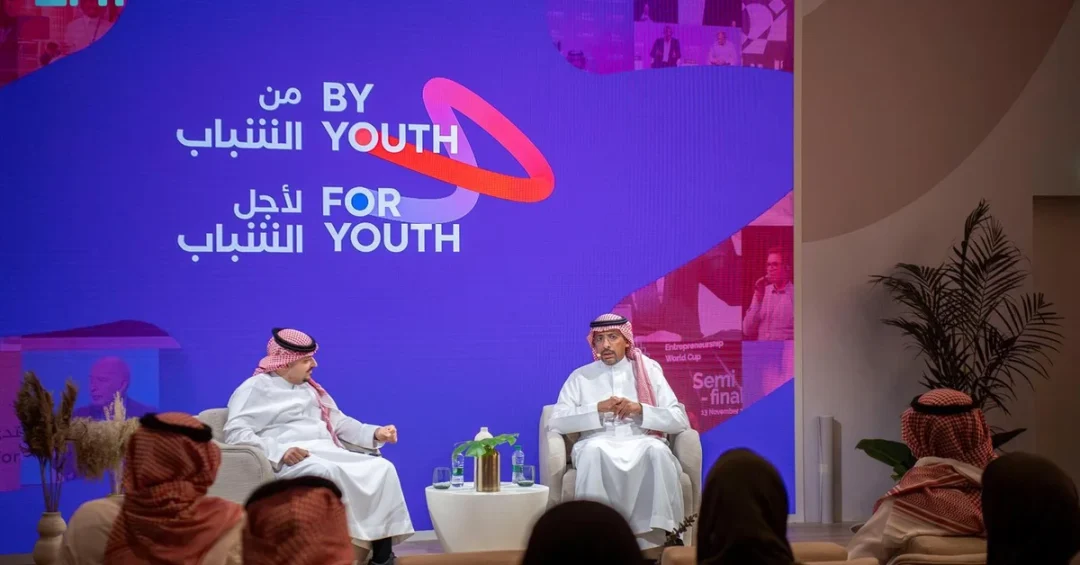
Saudi Minister of Industry and Mineral Resources Bandar bin Ibrahim Alkhorayef told the Misk Global Forum (MGF) in Riyadh on November 20, 2024, that the Kingdom offers promising opportunities for youth and entrepreneurs in the industrial and mining sectors, extending beyond direct investment to include innovative solutions that improve production efficiency, manufacturing quality, and energy efficiency in industrial facilities. Speaking during a dedicated session on Saudi industry, the minister outlined a comprehensive package of enablers, financial solutions, and national initiatives designed to open the two sectors to a new generation of Saudi innovators. His remarks, carried by the Saudi Press Agency (SPA), underscore how central entrepreneurship has become to the Kingdom’s industrial transformation under Vision 2030.
For an international audience watching Saudi Arabia’s economic diversification, the message was direct: the country is not only building factories and mines at record pace but also inviting young talent to shape how those assets perform. The Misk Global Forum, organized by the Mohammed bin Salman Foundation (Misk), has become a flagship platform for youth empowerment and cross-border dialogue, and the minister’s participation placed industrial and mineral entrepreneurship at the center of that agenda. Could the next breakthrough in Saudi manufacturing come not from a boardroom but from a young innovator testing an idea in a government-supported sandbox?
Context and Background
Why does a ministerial appearance at a youth forum carry such weight for Saudi industry? The answer lies in the scale of the transformation underway. Under Vision 2030, launched in 2016, Saudi Arabia has sought to raise the industrial sector’s contribution to gross domestic product, diversify exports beyond hydrocarbons, and unlock the estimated mineral wealth beneath its soil, valued in the trillions of riyals. The Ministry of Industry and Mineral Resources, led by Bandar bin Ibrahim Alkhorayef, has been tasked with turning those ambitions into bankable projects, regulatory reform, and private-sector participation. The Misk Global Forum offered a natural stage to connect that institutional agenda with the energy of Saudi youth.
The Kingdom’s industrial base has expanded through programs such as the National Industrial Development and Logistics Program (NIDLP), which targets mining, energy, logistics, and manufacturing as engines of the non-oil economy. Mining, in particular, has emerged as a pillar of the diversification strategy, with the Ministry positioning Saudi Arabia as a global hub for minerals critical to the energy transition. Against that backdrop, the minister’s emphasis on entrepreneurship reflects a maturing policy approach: the state builds the ecosystem, but young innovators and small enterprises are expected to supply the ideas, agility, and technical creativity that large facilities often cannot generate internally.
Alkhorayef noted that Saudi Arabia has worked in recent years to capitalize on its strategic assets to develop its industrial sector and enhance its competitiveness, leveraging natural resources and technological advancements to compete globally in new industries and position itself as a key player in global supply chains. That framing matters for international readers: it signals that Riyadh sees industry not as a domestic jobs program alone but as a platform for export competitiveness and supply-chain resilience at a time of global restructuring.
Key Details and Ministerial Priorities
What exactly did the minister offer young entrepreneurs? According to the SPA report, institutions working in industry and mineral resources have introduced a range of enablers and initiatives to support the growth of entrepreneurial ventures and facilitate investment for young entrepreneurs. These include tailored financial solutions, the ready-made factories program, the “A Thousand Miles” program, and the “Industrial Hackathon” initiative. Each instrument addresses a different barrier that typically confronts a young founder: access to capital, access to physical infrastructure, access to mentorship and markets, and access to problem statements from real industrial operators.
The ready-made factories program is particularly significant for small and medium enterprises. By providing pre-built, licensed industrial units, it removes the burden of land acquisition, utility connections, and lengthy permitting that can stall a startup before production begins. The “A Thousand Miles” program, meanwhile, reflects a recognition that entrepreneurship is a journey requiring guidance, training, and network-building rather than a single grant. The Industrial Hackathon inverts the traditional innovation model: instead of asking entrepreneurs to guess what factories need, it invites young innovators to present creative solutions to the concrete challenges faced by industrial facilities, from energy consumption to quality control.
Alkhorayef also stressed that the Kingdom has become a hub for entrepreneurs from around the world, not only to pitch their innovative ideas but also to test and prove their success. He emphasized that the government’s unlimited support for youth provides enormous opportunities for the success of their projects. For international founders, that statement is an invitation: Saudi Arabia is positioning itself as a proving ground where ideas can be validated at industrial scale, with government-backed infrastructure and a large domestic market as the testing environment.
International and Regional Impact
How does Saudi industrial entrepreneurship resonate beyond the Kingdom’s borders? The minister’s remarks arrive as global supply chains are being reorganized around resilience, friend-shoring, and the energy transition. Minerals such as copper, lithium, nickel, and rare earth elements have become strategic commodities, and countries with undeveloped geological wealth are racing to attract the capital and expertise needed to extract and process them. Saudi Arabia’s message at the Misk Global Forum is that it intends to compete not only on resource endowment but on innovation, inviting global entrepreneurs to co-develop solutions on Saudi soil.
Regionally, the Kingdom’s push aligns with broader Gulf efforts to build knowledge economies and reduce reliance on oil revenues. For neighboring economies and international partners, a Saudi industrial ecosystem that welcomes foreign ideas and talent could deepen trade, technology transfer, and joint ventures. It also strengthens the Kingdom’s position in forums where industrial policy, critical minerals, and clean technology are negotiated. When a Saudi minister tells a global youth audience that their ideas can be tested and proven in the Kingdom, he is signaling that Saudi Arabia wants to be a node in the innovation networks of the future, not merely a source of raw materials.
Economic and Strategic Significance
Why does entrepreneurship matter so much to Saudi industrial policy? Large-scale projects and foreign direct investment can build capacity, but sustained competitiveness depends on a steady flow of new firms that challenge incumbents, commercialize new technologies, and create specialized jobs. Small and medium enterprises are typically the most dynamic source of employment and innovation in advanced industrial economies, and Saudi Arabia’s efforts to cultivate them in manufacturing and mining address a structural gap in its economic base.
The strategic logic extends to energy efficiency and manufacturing quality. Industrial facilities in the Kingdom, like those elsewhere, face rising energy costs, environmental standards, and global competition. Innovative solutions that reduce waste, optimize processes, or digitize production can improve the profitability of existing plants while creating exportable intellectual property. By connecting young innovators directly with industrial challenges through the Industrial Hackathon, the Ministry is effectively crowdsourcing productivity gains. That approach can accelerate technology adoption across the sector and make Saudi industry more attractive to international partners seeking reliable, efficient suppliers.
Vision 2030 Alignment
How does this fit into the Kingdom’s long-term vision? Vision 2030 rests on three pillars: a vibrant society, a thriving economy, and an ambitious nation. The industrial and mining sectors sit at the heart of the thriving economy pillar, where the goal is to diversify income, localize content, and create opportunities for Saudi citizens. The minister’s emphasis on youth and entrepreneurship directly serves the ambitious nation pillar as well, by empowering young people to build enterprises rather than only seek employment. The Misk Global Forum itself is a Vision 2030 institution, reflecting the leadership’s commitment to investing in human capital as the ultimate resource.
Looking ahead, the combination of financial enablers, ready-made factories, mentorship programs, and challenge-driven innovation suggests a deliberate effort to build a self-reinforcing ecosystem. If successful, it could produce a new generation of Saudi industrial champions, deepen the Kingdom’s integration into global supply chains, and demonstrate that resource-rich economies can compete on ideas. For international readers, the takeaway is clear: Saudi Arabia is opening its industrial and mining sectors to global talent and young innovators, and the opportunities extend far beyond direct investment. In a world seeking new engines of growth and resilience, the Kingdom is presenting itself as a place where innovative ideas can be tested, proven, and scaled.
20 Questions
Q1. What did Minister Bandar bin Ibrahim Alkhorayef say at the Misk Global Forum?
A1. He said there are promising opportunities for youth and entrepreneurs in the industrial and mining sectors, extending beyond direct investment to innovative ideas that improve production efficiency, manufacturing quality, and energy efficiency in industrial facilities.
Q2. When and where did the minister make these remarks?
A2. He spoke on November 20, 2024, during a session on Saudi industry at the Misk Global Forum in Riyadh, as reported by the Saudi Press Agency.
Q3. What is the Misk Global Forum?
A3. The Misk Global Forum is a flagship youth-oriented event organized by the Mohammed bin Salman Foundation (Misk), bringing together young leaders, entrepreneurs, and innovators for dialogue and collaboration.
Q4. Which initiatives did the minister highlight for young entrepreneurs?
A4. He highlighted financial solutions, the ready-made factories program, the “A Thousand Miles” program, and the Industrial Hackathon initiative, all designed to support entrepreneurial ventures in industry and mining.
Q5. What is the ready-made factories program?
A5. It provides pre-built, licensed industrial units to small and medium enterprises, removing barriers such as land acquisition, utility connections, and lengthy permitting that can delay production.
Q6. What is the Industrial Hackathon?
A6. It is an initiative that allows young innovators to present creative solutions to real challenges faced by industrial facilities, turning operational problems into opportunities for entrepreneurship.
Q7. What did the minister say about Saudi Arabia’s attractiveness to global entrepreneurs?
A7. He said the Kingdom has become a hub for entrepreneurs from around the world, not only to pitch ideas but also to test and prove their success.
Q8. How does the government support youth according to the minister?
A8. He emphasized that the government’s unlimited support for youth provides enormous opportunities for the success of their projects.
Q9. How has Saudi Arabia developed its industrial sector in recent years?
A9. The Kingdom has capitalized on its strategic assets, leveraging natural resources and technological advancements to compete globally in new industries and position itself in global supply chains.
Q10. Why are industry and mining important to Vision 2030?
A10. They are central to economic diversification, non-oil GDP growth, job creation, and the Kingdom’s goal of becoming a global industrial and mining hub.
Q11. What role does the Ministry of Industry and Mineral Resources play?
A11. It designs and implements policies, enablers, and initiatives to grow the industrial and mining sectors, attract investment, and support entrepreneurs and small businesses.
Q12. What is the “A Thousand Miles” program?
A12. It is an entrepreneurship support program that guides young founders through training, mentorship, and network-building, reflecting the idea that building a business is a journey.
Q13. How do financial solutions help young entrepreneurs?
A13. They address access to capital, one of the biggest barriers for startups, by providing tailored funding options that help young founders launch and scale industrial ventures.
Q14. What is the significance of the minister’s remarks for international investors?
A14. They signal that Saudi Arabia welcomes global entrepreneurs and offers a supportive ecosystem to test, prove, and scale innovative industrial solutions.
Q15. How does entrepreneurship improve industrial competitiveness?
A15. New firms bring agility, technology, and specialized solutions that raise productivity, reduce costs, improve quality, and help existing facilities compete globally.
Q16. What global trends make Saudi industrial entrepreneurship timely?
A16. Supply-chain restructuring, the energy transition, and rising demand for critical minerals make innovation in industry and mining strategically valuable worldwide.
Q17. How does the Misk Global Forum support Vision 2030?
A17. It empowers youth, fosters innovation, and connects Saudi talent with global peers, aligning with Vision 2030’s focus on human capital and a thriving economy.
Q18. What does the minister mean by testing and proving success in the Kingdom?
A18. He means entrepreneurs can pilot their ideas in Saudi Arabia’s industrial ecosystem, validate them with real facilities, and demonstrate commercial viability.
Q19. What economic benefits could these initiatives deliver?
A19. They can create jobs, boost small and medium enterprises, localize advanced manufacturing, increase exports, and strengthen the Kingdom’s non-oil economy.
Q20. What is the forward-looking message for young innovators?
A20. Saudi Arabia offers a supportive environment, government backing, and real industrial challenges to solve, making it an ideal place to turn innovative ideas into successful enterprises.
Reader Feedback
We value your thoughts. Please share your feedback on this article.
Your feedback helps us improve our coverage.
Related articles
 NDMC Closes November 2024 Sukuk Issuance at SAR 3.415 Billion
 CMA Chairman Urges Youth to Enter Financial Markets Early at Misk Global Forum
 ZATCA Calls on Businesses to Submit VAT Returns for October
 GASTAT Releases 2023 Livestock Statistics for Saudi Arabia
 Monsha’at Launches Sixth Edition of Ebtker Award
 Minister Stresses Local Content for Economic Diversification