


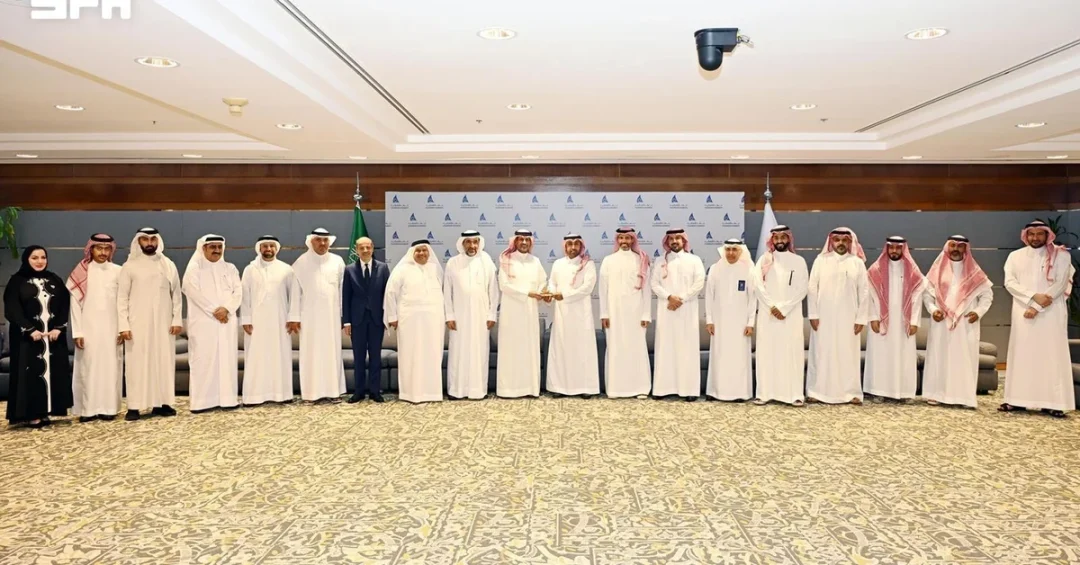
The Asharqia Chamber and the Bahrain Businessmen’s Association convened in Dammam on September 16, 2026, to explore joint investment and trade opportunities between Saudi Arabia and Bahrain. The meeting, held in the presence of Chamber Chairman Fahad Al-Faraj and a delegation from the Bahrain association led by Ahmed bin Hindi, focused on strengthening economic ties and expanding the scope of joint business ventures. Both sides reviewed available investment prospects and areas for further cooperation, aiming to forge new partnerships that serve the aspirations of the leaderships of the two kingdoms and support the ambitions of their business communities.
Context and Background
Saudi Arabia and Bahrain share deep-rooted historical, economic, and strategic ties, underpinned by their membership in the Gulf Cooperation Council (GCC). The Asharqia Chamber, based in the Eastern Province, represents one of the Kingdom’s most dynamic commercial regions, encompassing key industrial cities such as Dammam, Dhahran, and Jubail. The Bahrain Businessmen’s Association, led by Ahmed bin Hindi, is a prominent organization advocating for private-sector interests in the Kingdom of Bahrain.
This meeting comes amid a period of heightened economic activity in Saudi Arabia, driven by Saudi Vision 2030, the national transformation plan aimed at diversifying the economy away from oil. Bahrain, too, is advancing its own Bahrain Economic Vision 2030, which seeks to create a competitive and sustainable economy. The alignment of these two visions provides a natural foundation for cross-border collaboration, particularly in sectors such as manufacturing, logistics, tourism, and financial services.
Key Details
During the meeting, Chairman Fahad Al-Faraj emphasized that the discussions reinforce the strong economic and trade relations between the two nations. He noted that such engagements serve the aspirations of the leaderships of Saudi Arabia and Bahrain and support the ambitions of the business communities in both countries. The two sides reviewed specific investment opportunities and trade avenues, with a focus on creating new partnerships and expanding the scope of joint business activities.
Ahmed bin Hindi, leading the Bahraini delegation, stressed that the future requires concerted efforts by the private sectors in both countries and the integration of their capabilities to establish a new phase of economic and strategic partnership. He highlighted the significance of these efforts amid the major economic and development activity taking place in Saudi Arabia under Vision 2030, as well as Bahrain’s own development initiatives. The meeting also explored potential areas for cooperation in sectors such as industry, technology, and logistics, which are critical to both economies.
Implications and Impact
The discussions between the Asharqia Chamber and the Bahrain Businessmen’s Association signal a continued commitment to regional economic integration, a core objective of the GCC. By fostering closer ties between the private sectors of Saudi Arabia and Bahrain, the meeting could lead to increased bilateral trade and investment flows. Saudi Arabia is Bahrain’s largest trading partner, and enhanced cooperation could further boost non-oil trade, aligning with the goals of both Vision 2030 plans.
Moreover, this engagement reflects the broader trend of Gulf countries seeking to diversify their economies and reduce dependence on hydrocarbon revenues. The Eastern Province of Saudi Arabia, with its strategic location and industrial infrastructure, is well-positioned to serve as a gateway for Bahraini businesses looking to access the larger Saudi market. Conversely, Bahrain offers a conducive environment for Saudi investors, particularly in financial services and tourism. The collaboration could also pave the way for joint ventures in third markets, leveraging the combined strengths of both nations.
From an international perspective, such partnerships enhance the attractiveness of the Gulf region as a destination for foreign direct investment. They demonstrate the stability and openness of the Saudi and Bahraini economies, which is crucial for global investors. The meeting also underscores the role of the private sector in driving economic diplomacy, complementing official government efforts to strengthen bilateral relations.
Vision 2030 Alignment
The meeting between the Asharqia Chamber and the Bahrain Businessmen’s Association directly supports the objectives of Saudi Vision 2030, particularly in terms of economic diversification, private-sector growth, and international collaboration. By facilitating joint investment opportunities, the two organizations contribute to the development of non-oil industries and the creation of high-value jobs. This aligns with Vision 2030’s aim to increase the private sector’s contribution to GDP and enhance the Kingdom’s position as a global investment hub.
Furthermore, the emphasis on integrating capabilities and establishing a new phase of economic partnership resonates with Vision 2030’s focus on regional leadership and global engagement. As Saudi Arabia continues to implement mega-projects and regulatory reforms, partnerships with neighboring countries like Bahrain will be instrumental in achieving sustainable growth. The Asharqia Chamber’s proactive role in fostering such ties exemplifies the collaborative spirit that Vision 2030 seeks to promote, ensuring that the benefits of economic transformation are shared across the region.
20 Questions
Q1. What was the main purpose of the meeting between the Asharqia Chamber and the Bahrain Businessmen’s Association?
A1. The meeting aimed to explore joint investment and trade opportunities between Saudi Arabia and Bahrain, review areas of cooperation, and contribute to new partnerships that expand the scope of joint business activities.
Q2. Who led the Bahrain Businessmen’s Association delegation at the meeting?
A2. The delegation was led by Ahmed bin Hindi, who emphasized the need for concerted efforts by the private sectors of both countries to establish a new phase of economic and strategic partnership.
Q3. What is the Asharqia Chamber, and where is it based?
A3. The Asharqia Chamber is a prominent commercial organization based in Saudi Arabia’s Eastern Province, representing the interests of businesses in key cities such as Dammam, Dhahran, and Jubail.
Q4. How does the meeting reflect the goals of Saudi Vision 2030?
A4. The meeting supports Saudi Vision 2030 by promoting economic diversification, private-sector growth, and international collaboration, aligning with the vision’s objectives to increase non-oil GDP and attract investment.
Q5. What economic vision is Bahrain pursuing?
A5. Bahrain is pursuing Bahrain Economic Vision 2030, which aims to create a competitive and sustainable economy by diversifying away from oil dependence and fostering private-sector growth.
Q6. Why is the Eastern Province of Saudi Arabia significant for Bahraini businesses?
A6. The Eastern Province offers strategic location, industrial infrastructure, and proximity to Bahrain, making it an ideal gateway for Bahraini businesses to access the larger Saudi market and explore joint ventures.
Q7. What sectors were likely discussed for cooperation at the meeting?
A7. The discussions likely covered sectors such as manufacturing, logistics, technology, tourism, and financial services, which are critical to both economies and align with their diversification goals.
Q8. How does this meeting contribute to GCC economic integration?
A8. By fostering private-sector ties between Saudi Arabia and Bahrain, the meeting advances GCC economic integration, promoting increased bilateral trade and investment flows that benefit the region as a whole.
Q9. What did Chairman Fahad Al-Faraj say about the meeting?
A9. Al-Faraj noted that the meeting reinforces strong economic and trade relations, serves the aspirations of the leaderships of both kingdoms, and supports the ambitions of the business communities in Saudi Arabia and Bahrain.
Q10. What did Ahmed bin Hindi emphasize about the future of Saudi-Bahrain economic relations?
A10. Bin Hindi stressed that the future requires concerted efforts by the private sectors and the integration of their capabilities to establish a new phase of economic and strategic partnership, especially amid major development activity in Saudi Arabia.
Q11. How does this meeting benefit the private sectors of both countries?
A11. The meeting opens avenues for new partnerships, joint ventures, and expanded business opportunities, enabling private sectors to leverage each other’s strengths and access new markets in the region.
Q12. What is the significance of Saudi Arabia being Bahrain’s largest trading partner?
A12. As Bahrain’s largest trading partner, Saudi Arabia plays a crucial role in Bahrain’s economy. Enhanced cooperation can further boost non-oil trade, benefiting both nations and supporting their diversification efforts.
Q13. How does the meeting align with Bahrain’s development initiatives?
A13. The meeting aligns with Bahrain Economic Vision 2030 by promoting private-sector collaboration and investment opportunities that contribute to sustainable economic growth and diversification.
Q14. What role does the Asharqia Chamber play in Saudi Arabia’s economic landscape?
A14. The Asharqia Chamber advocates for business interests in the Eastern Province, facilitates trade and investment, and supports initiatives that drive economic development in line with Saudi Vision 2030.
Q15. What are the potential outcomes of this meeting for Saudi-Bahrain relations?
A15. Potential outcomes include increased bilateral trade, joint investment projects, and stronger economic ties, fostering a new phase of strategic partnership that benefits both countries and the wider region.
Q16. How does this meeting reflect Saudi Arabia’s openness to international business?
A16. The meeting demonstrates Saudi Arabia’s commitment to engaging with international partners, attracting foreign investment, and creating a business-friendly environment that supports Vision 2030’s economic diversification goals.
Q17. What is the expected impact on job creation in both countries?
A17. Enhanced cooperation and joint investments are expected to stimulate economic activity, leading to job creation in sectors such as manufacturing, logistics, and services, benefiting the workforce in both nations.
Q18. How does the meeting support the integration of Saudi and Bahraini capabilities?
A18. By bringing together business leaders, the meeting facilitates the sharing of expertise, resources, and networks, enabling the integration of capabilities to pursue joint ventures and strategic projects.
Q19. What message does this meeting send to the international community?
A19. The meeting signals the stability and openness of the Saudi and Bahraini economies, showcasing the Gulf region as an attractive destination for foreign direct investment and highlighting the private sector’s role in economic diplomacy.
Q20. What are the next steps following this meeting?
A20. Next steps likely include follow-up discussions, identification of specific projects, and the formation of joint working groups to advance cooperation and realize the investment opportunities explored during the meeting.
Reader Feedback
We value your thoughts. Please share your feedback on this article.
Your feedback helps us improve our coverage.