


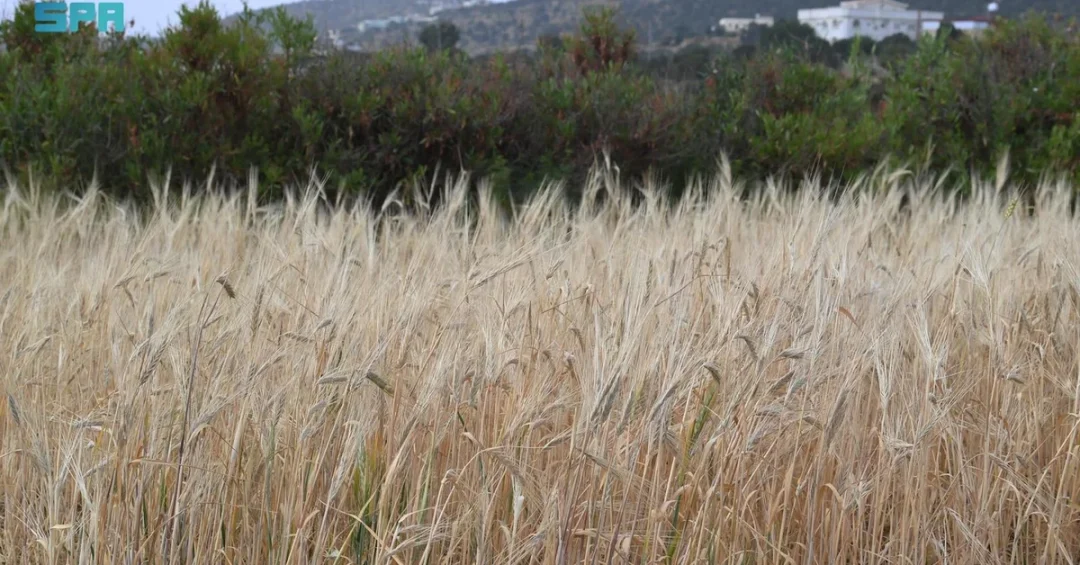
Farmers across the Asir region are preparing for a bountiful wheat harvest during the summer rainy season, capitalizing on the region’s abundant water supply and fertile mountain terraces, as reported by the Saudi Press Agency (SPA). The annual harvest, which follows a five-to-six-month growing cycle that begins each February, highlights Asir’s enduring agricultural heritage and its role in supporting the Kingdom’s food security objectives under Saudi Vision 2030.
Context and Background
The Asir region, particularly the Sarawat Mountain range stretching from Dhahran Governorate in the south to Balqarn Governorate in the north, is renowned for its diverse wheat crops. Towns such as Soudah, Tabab, Ballahmar, and Ballasmar have established a reputation for producing high-quality wheat grains that are prized in local markets and featured at summer festivals across the region. This seasonal cultivation cycle, which concludes with the harvest during the rainy summer months, reflects generations of agricultural knowledge passed down through local farming communities.
Wheat farming in Asir is more than an economic activity; it is a cultural cornerstone that connects the region’s residents to their land and traditions. The annual harvest season brings together families and communities, reinforcing social bonds and celebrating the region’s natural bounty.
Key Details
According to the Saudi Press Agency, farmers in Asir work tirelessly to protect their fields from birds and monkeys, ensuring that crops are nurtured and safeguarded until they are fully ripe and ready for harvest. This hands-on approach underscores the dedication and resilience of Asir’s agricultural workforce.
The wheat grown in Asir is celebrated for its superior quality, attributed to the region’s unique climate, elevation, and traditional farming methods. These grains are sold at popular markets and during festivals that form part of the summer activities in Asir, drawing visitors from across the Kingdom and beyond.
The harvest season also coincides with Asir’s broader summer tourism initiatives, which showcase the region’s natural beauty, cultural heritage, and agricultural traditions. This synergy between agriculture and tourism creates economic opportunities for local communities and enhances the visitor experience.
Implications and Impact
The bountiful wheat harvest in Asir has significant implications for Saudi Arabia’s food security and agricultural sustainability. By maximizing local production, the Kingdom reduces its reliance on imports and strengthens its resilience against global supply chain disruptions. The success of Asir’s wheat farmers also serves as a model for other regions, demonstrating how traditional knowledge can be integrated with modern agricultural practices to achieve optimal yields.
On a regional level, the harvest supports local economies by generating income for farmers, traders, and market vendors. It also reinforces Asir’s identity as a premier agricultural destination, attracting tourists interested in agritourism and cultural experiences. Internationally, the harvest contributes to Saudi Arabia’s reputation as a nation committed to sustainable development and environmental stewardship.
Vision 2030 Alignment
Saudi Vision 2030 emphasizes food security, economic diversification, and the development of rural communities. The wheat harvest in Asir exemplifies these objectives by promoting sustainable agriculture, empowering local farmers, and enhancing the Kingdom’s self-sufficiency in staple crops. As Saudi Arabia continues to invest in agricultural innovation and rural development, regions like Asir will play a vital role in achieving the Vision’s ambitious goals. The annual wheat harvest not only sustains livelihoods but also celebrates the Kingdom’s rich agricultural heritage, paving the way for a prosperous and food-secure future.
20 Questions
Q1. What region in Saudi Arabia is preparing for a bountiful wheat harvest?
A1. The Asir region, particularly the Sarawat Mountain range, is preparing for a bountiful wheat harvest during the summer rainy season, as reported by the Saudi Press Agency.
Q2. When does the wheat cultivation cycle in Asir begin each year?
A2. Wheat cultivation in Asir begins in February each year and continues for five to six months until the harvest, which takes place during the summer rainy season.
Q3. Which governorates in Asir are known for wheat cultivation?
A3. The Sarawat Mountain range from Dhahran Governorate in the south to Balqarn Governorate in the north is known for its abundant variety of wheat crops.
Q4. Which towns in Asir are famous for producing high-quality wheat?
A4. The towns of Soudah, Tabab, Ballahmar, and Ballasmar are famous for producing high-quality wheat grains that are sold at popular markets and festivals.
Q5. How do farmers in Asir protect their wheat fields?
A5. Farmers work tirelessly to guard their precious agricultural fields from birds and monkeys, ensuring that the crops are nurtured and protected until they are fully ripe and ready for harvest.
Q6. Where is Asir’s wheat sold?
A6. Asir’s high-quality wheat is sold at popular markets and during festivals that are part of the summer activities in the region, attracting visitors from across the Kingdom.
Q7. What is the significance of the wheat harvest for Asir’s local economy?
A7. The wheat harvest generates income for farmers, traders, and market vendors, supports local economies, and reinforces Asir’s identity as a premier agricultural destination.
Q8. How does the wheat harvest align with Saudi Vision 2030?
A8. The harvest aligns with Vision 2030 by promoting food security, sustainable agriculture, economic diversification, and the development of rural communities, enhancing the Kingdom’s self-sufficiency in staple crops.
Q9. What makes Asir’s wheat high quality?
A9. Asir’s wheat is celebrated for its superior quality, attributed to the region’s unique climate, elevation, and traditional farming methods passed down through generations.
Q10. How long does the wheat growing cycle in Asir last?
A10. The wheat growing cycle in Asir lasts five to six months, starting in February and concluding with the harvest during the summer rainy season.
Q11. What role do summer festivals play in Asir’s wheat industry?
A11. Summer festivals provide a platform for selling high-quality wheat, showcase the region’s agricultural heritage, and attract tourists, thereby boosting the local economy and promoting agritourism.
Q12. Why is the summer rainy season important for wheat farming in Asir?
A12. The summer rainy season provides an abundant water supply that supports the final stages of wheat growth, ensuring a bountiful harvest and high-quality grains.
Q13. How does wheat farming in Asir reflect Saudi Arabia’s agricultural heritage?
A13. Wheat farming in Asir reflects generations of agricultural knowledge and tradition, connecting communities to their land and celebrating the region’s natural bounty through annual harvests.
Q14. What challenges do Asir farmers face during the growing season?
A14. Farmers face challenges from birds and monkeys that threaten the crops, requiring them to work tirelessly to guard their fields until the wheat is fully ripe.
Q15. How does the wheat harvest contribute to Saudi Arabia’s food security?
A15. By maximizing local production, the harvest reduces reliance on imports, strengthens resilience against global supply chain disruptions, and supports the Kingdom’s food security objectives.
Q16. What economic opportunities does the wheat harvest create for local communities?
A16. The harvest creates income opportunities for farmers, traders, and vendors, and supports tourism through festivals and markets that draw visitors to the region.
Q17. How does the wheat harvest in Asir serve as a model for other regions?
A17. It demonstrates how traditional knowledge can be integrated with modern agricultural practices to achieve optimal yields, inspiring other regions to enhance their agricultural productivity.
Q18. What is the role of the Saudi Press Agency in reporting this harvest?
A18. The Saudi Press Agency (SPA) provides official coverage of the harvest, highlighting the dedication of Asir’s farmers and the region’s agricultural significance to the Kingdom.
Q19. How does the harvest season impact tourism in Asir?
A19. The harvest season coincides with summer tourism initiatives, showcasing Asir’s natural beauty and cultural heritage, and enhancing the visitor experience through agritourism and festivals.
Q20. What does the future hold for wheat farming in Asir under Vision 2030?
A20. Under Vision 2030, continued investments in agricultural innovation and rural development will further empower Asir’s farmers, ensuring sustainable production and a prosperous, food-secure future for the Kingdom.
Reader Feedback
We value your thoughts. Please share your feedback on this article.
Your feedback helps us improve our coverage.