


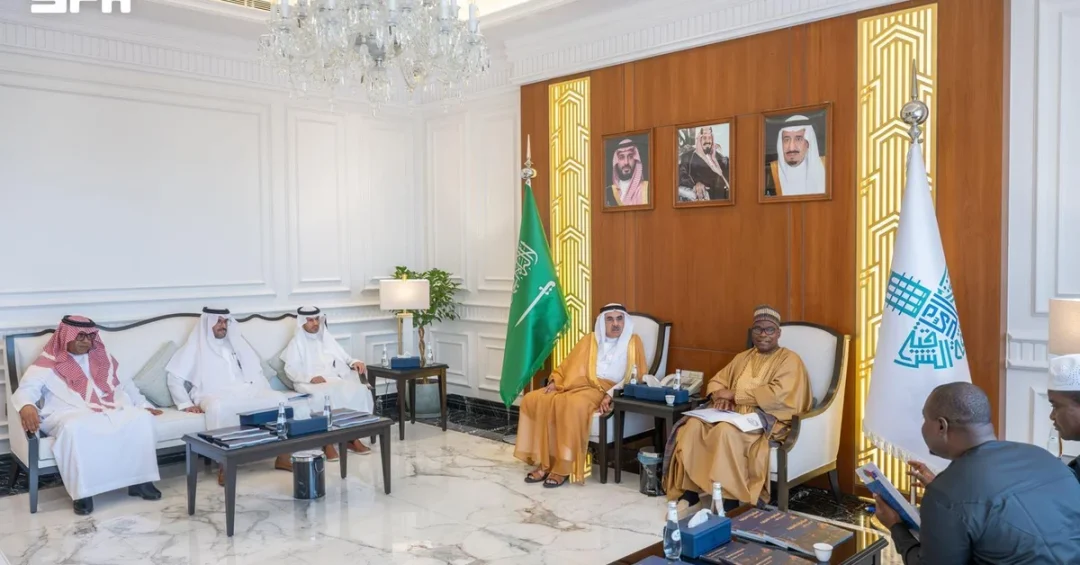
Eastern Region Mayor Fahad Al-Jubair met with Ambassador of the Republic of Benin to Saudi Arabia Adam Bagoudou Zakari and his accompanying delegation at the municipality headquarters in Dammam on Thursday, where they discussed ways to strengthen cooperation and exchange expertise in investment and development, and reviewed promising opportunities available across the Eastern Region. The meeting, reported by the Saudi Press Agency (SPA), underscores the Kingdom’s growing engagement with African nations and reflects the Eastern Region’s emergence as a dynamic hub for municipal investment and urban development under Saudi Vision 2030.
During the talks, the two sides addressed issues related to urban development and municipal investment, as well as opportunities to enhance cooperation and exchange experiences and expertise. The meeting also reviewed the municipality’s experience in developing private-sector partnerships, diversifying investment opportunities, and promoting investment in municipal facilities and assets. Such diplomacy-driven economic engagement aligns with Saudi Arabia’s broader strategy to deepen international partnerships and attract foreign investment to support its ambitious transformation agenda.
Context and Background
Why does a meeting between a Saudi regional mayor and a West African ambassador matter in the broader context of global investment? The answer lies in the Eastern Region’s strategic importance and Saudi Arabia’s expanding diplomatic and economic footprint across Africa. The Eastern Region, home to the Kingdom’s oil industry and major industrial cities such as Dammam, Dhahran, and Jubail, is a cornerstone of Saudi Arabia’s economy. Its municipality has increasingly focused on diversifying revenue streams and fostering public-private partnerships that align with Vision 2030’s goal of reducing oil dependence and boosting non-oil GDP.
The Republic of Benin, a West African nation with a growing economy and strategic coastal location, has been strengthening its ties with Saudi Arabia in recent years. Ambassador Adam Bagoudou Zakari’s visit to Dammam signals Benin’s interest in learning from Saudi Arabia’s rapid urban development and investment facilitation models. For Saudi Arabia, such engagements are part of a wider push to build South-South cooperation and position itself as a global investment partner. The meeting also reflects the Kingdom’s commitment to sharing its developmental expertise, a key pillar of its foreign policy and a means to foster goodwill and long-term economic ties.
Moreover, this dialogue occurs amid Saudi Arabia’s intensified efforts to attract foreign direct investment (FDI) as part of the National Investment Strategy. The Eastern Region, with its world-class infrastructure, industrial zones, and logistical advantages, is a prime candidate for international partnerships. By hosting diplomats and business delegations, the municipality showcases its readiness to collaborate on projects ranging from smart city solutions to renewable energy and tourism development. Such exchanges are essential for knowledge transfer and for positioning Saudi cities as competitive global destinations.
Key Details
What specific areas of cooperation were on the table during the Dammam meeting? According to SPA, the discussions centered on urban development and municipal investment, with a focus on enhancing cooperation and exchanging experiences. Mayor Fahad Al-Jubair highlighted the municipality’s successful experience in developing private-sector partnerships, diversifying investment opportunities, and promoting investment in municipal facilities and assets. This includes leveraging assets such as land, real estate, and public utilities to generate sustainable revenue and improve services.
Al-Jubair stressed the importance of strengthening communication and cooperation with international entities, exchanging expertise, and learning from successful investment and development experiences. He pointed to the Eastern Region’s diverse economic and investment potential and the promising opportunities it offers across several vital sectors, including energy, logistics, manufacturing, and tourism. The ambassador, in turn, commended the progress in the Eastern Region across investment and development sectors, acknowledging the Kingdom’s achievements under Vision 2030.
The meeting also served as a platform to discuss how Benin could benefit from Saudi expertise in municipal governance, particularly in areas such as waste management, urban planning, and digital transformation. While no specific agreements were announced, the dialogue sets the stage for future collaboration. The presence of a delegation accompanying the ambassador suggests interest from Benin’s private sector and possibly government agencies in exploring concrete projects. Such diplomatic engagements often precede memoranda of understanding and joint ventures, making this meeting a potential catalyst for deeper economic ties.
International and Regional Impact
How does this meeting fit into Saudi Arabia’s broader international outreach? It exemplifies the Kingdom’s proactive diplomacy under the leadership of Custodian of the Two Holy Mosques King Salman bin Abdulaziz Al Saud and His Royal Highness Crown Prince Mohammed bin Salman. Saudi Arabia has been expanding its partnerships across Africa, Asia, and beyond, using its economic weight and Vision 2030 successes to build bridges. For Benin, engaging with Saudi Arabia offers access to investment capital, technical know-how, and a model for rapid development that respects cultural heritage while embracing modernity.
Regionally, the meeting reinforces the Eastern Region’s role as a gateway for international business. The region’s proximity to Gulf markets, its advanced ports, and its industrial cities make it an attractive partner for African nations seeking to diversify their own economies. This aligns with Saudi Arabia’s goal of becoming a logistics and trade hub connecting three continents. By sharing its experience in municipal investment, the Kingdom positions itself as a leader in sustainable urban development, a narrative that resonates globally and enhances its soft power.
Furthermore, such engagements contribute to the stability and prosperity of the broader region. By fostering economic ties with African countries, Saudi Arabia helps create jobs, transfer technology, and promote mutual understanding. This is particularly important as the world navigates economic uncertainties and seeks new growth engines. The meeting also underscores the importance of multilateralism and South-South cooperation, values that Saudi Arabia champions in forums such as the G20 and the United Nations.
Economic and Strategic Significance
What economic benefits could arise from strengthened cooperation between the Eastern Region and Benin? For Saudi Arabia, increased engagement with African markets opens new avenues for non-oil exports, investment, and services. The Eastern Region’s companies, particularly in construction, engineering, and renewable energy, could find opportunities in Benin’s infrastructure projects. Conversely, Benin could attract Saudi investment in agriculture, mining, and tourism, sectors where the Kingdom has growing expertise and capital.
Strategically, the meeting supports Saudi Arabia’s goal of diversifying its diplomatic and economic partnerships. By building ties with Benin, a member of the Economic Community of West African States (ECOWAS), Saudi Arabia gains a foothold in a region with a combined GDP of over $700 billion. This aligns with the Kingdom’s Africa strategy, which seeks to enhance trade, investment, and security cooperation. The Eastern Region, as a major industrial and logistical hub, is well-positioned to lead these efforts, leveraging its ports and special economic zones to facilitate trade.
Additionally, the exchange of expertise in municipal investment can lead to improved public services and infrastructure in both regions. Saudi Arabia’s experience in developing smart cities, such as NEOM, and in managing large-scale projects can be invaluable for Benin’s urbanization challenges. In return, Benin can offer insights into local markets and cultural nuances that can help Saudi businesses succeed in West Africa. This two-way flow of knowledge is a hallmark of Vision 2030’s emphasis on international collaboration.
Vision 2030 Alignment
How does this meeting advance Saudi Vision 2030? Vision 2030 aims to diversify the economy, strengthen international partnerships, and position Saudi Arabia as a global investment powerhouse. The Eastern Region’s efforts to attract foreign investment and share expertise directly support these objectives. By engaging with Benin, the municipality demonstrates its commitment to the Vision’s pillars of a vibrant society, a thriving economy, and an ambitious nation. The meeting also highlights the role of Saudi regions in driving national transformation, as local governments become more proactive in international outreach.
Looking ahead, such diplomatic engagements are expected to yield tangible outcomes, including potential agreements, joint ventures, and increased people-to-people ties. The Eastern Region’s leadership in municipal investment serves as a model for other Saudi regions, showcasing how local initiatives can contribute to national goals. As Saudi Arabia continues its journey toward a post-oil future, partnerships with countries like Benin will be essential in building a resilient, diversified economy. The meeting in Dammam is a small but significant step in that direction, reflecting the Kingdom’s openness to the world and its commitment to shared prosperity.
20 Questions
Q1. Who met with the Eastern Region Mayor in Dammam?
A1. Ambassador of the Republic of Benin to Saudi Arabia Adam Bagoudou Zakari and his accompanying delegation met with Eastern Region Mayor Fahad Al-Jubair at the municipality headquarters in Dammam.
Q2. What was the main purpose of the meeting?
A2. The meeting aimed to strengthen cooperation and exchange expertise in investment and development, and to review promising opportunities available across the Eastern Region.
Q3. What specific topics were discussed?
A3. They discussed urban development and municipal investment, enhancing cooperation, and exchanging experiences and expertise in these areas.
Q4. What experience did the municipality showcase?
A4. The municipality showcased its experience in developing private-sector partnerships, diversifying investment opportunities, and promoting investment in municipal facilities and assets.
Q5. What did Mayor Al-Jubair emphasize?
A5. He emphasized the importance of strengthening communication and cooperation with international entities, exchanging expertise, and learning from successful investment and development experiences.
Q6. What did the Benin ambassador commend?
A6. The ambassador commended the progress in the Eastern Region across investment and development sectors.
Q7. Where is the Eastern Region located?
A7. The Eastern Region is in eastern Saudi Arabia, home to major cities like Dammam, Dhahran, and Jubail, and is a key economic hub.
Q8. Why is the Eastern Region important for investment?
A8. It has diverse economic potential, world-class infrastructure, industrial zones, and strategic ports, making it attractive for international partnerships.
Q9. How does this meeting align with Saudi Vision 2030?
A9. It supports Vision 2030’s goals of economic diversification, international partnerships, and positioning Saudi Arabia as a global investment powerhouse.
Q10. What is Benin’s interest in cooperating with Saudi Arabia?
A10. Benin seeks to learn from Saudi Arabia’s rapid urban development and investment facilitation models, and to attract investment and expertise.
Q11. Were any agreements signed during the meeting?
A11. No specific agreements were announced, but the dialogue sets the stage for future collaboration and potential memoranda of understanding.
Q12. What sectors offer promising opportunities in the Eastern Region?
A12. Vital sectors include energy, logistics, manufacturing, tourism, and renewable energy, among others.
Q13. How does this meeting fit into Saudi Arabia’s foreign policy?
A13. It reflects Saudi Arabia’s proactive diplomacy and efforts to build South-South cooperation and expand partnerships across Africa.
Q14. What benefits could Benin gain from this cooperation?
A14. Benin could gain access to investment capital, technical know-how, and a model for rapid development that respects cultural heritage.
Q15. What benefits could Saudi Arabia gain?
A15. Saudi Arabia could open new avenues for non-oil exports, investment, and services, and gain a foothold in the West African market.
Q16. How does this meeting support regional stability?
A16. By fostering economic ties, it helps create jobs, transfer technology, and promote mutual understanding, contributing to stability and prosperity.
Q17. What role does the Eastern Region play in Saudi Arabia’s logistics goals?
A17. Its advanced ports and industrial cities position it as a gateway for trade connecting three continents, supporting Saudi Arabia’s logistics hub ambitions.
Q18. How can Saudi expertise in smart cities benefit Benin?
A18. Saudi experience in developing smart cities like NEOM can help Benin address urbanization challenges and improve public services.
Q19. What is the significance of the ambassador’s delegation?
A19. The delegation’s presence suggests interest from Benin’s private sector and government agencies in exploring concrete projects and partnerships.
Q20. What are the next steps following this meeting?
A20. Next steps likely include follow-up discussions, potential agreements, and joint ventures that deepen economic ties between Saudi Arabia and Benin.
Reader Feedback
We value your thoughts. Please share your feedback on this article.
Your feedback helps us improve our coverage.
Related articles
 Dhariyah Camel Festival Sales Exceed SAR8 Million in Seven Days
 Gold Prices Decline as US Midterms and Iran Diplomacy Shape Markets
 Oil Prices Fall to Four-Week Low as Brent Settles at $103.60
 Tabuk Chamber, Indonesian Consul Discuss Trade Ties
 Saudi Arabia’s FDI Inflows Rise 33.5% to SAR159 Billion in 2025
 Riyadh Offers 50-Year Parking Partnership via Furas