


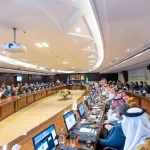
The Saudi General Authority for Foreign Trade (GAFT) concluded its Regional Trade Policy Course (RTPC) for Middle Eastern countries on Thursday in Riyadh, marking the successful completion of an eight-week program organized in collaboration with King Saud University and the World Trade Organization (WTO), with nine countries participating. The course, which launched in mid-October, was designed to deepen participants’ understanding of WTO agreements, rules, and procedures while equipping them with the practical skills needed to navigate the complex framework of international trade. The closing ceremony in the Saudi capital underscored the Kingdom’s growing role as a convenor of regional dialogue and a champion of rules-based global commerce.
For an international audience watching how Middle Eastern economies integrate with global markets, the significance of this program extends well beyond the classroom. It reflects a deliberate Saudi strategy to strengthen trade governance across the region at a time when supply chains are being reorganized, digital commerce is expanding, and multilateral institutions such as the WTO are under pressure to demonstrate their continued relevance. By hosting the course in Riyadh, the Kingdom placed itself at the center of that effort, reinforcing its position as a bridge between regional economies and the international trading system.
Context and Background
Why does a training program in Riyadh matter to trade officials from across the Middle East? The answer lies in the region’s deepening economic interdependence and the technical demands of modern trade agreements. The Regional Trade Policy Course is not a one-off event but part of a broader framework of cooperation between the Saudi General Authority for Foreign Trade and the World Trade Organization, aimed at building institutional capacity in countries that are increasingly reliant on cross-border commerce for growth and diversification.
Saudi Arabia has steadily expanded its engagement with the multilateral trading system, and GAFT has become a focal point for that work. The authority supports the Kingdom’s negotiation and implementation of trade agreements, advises on trade remedies, and promotes transparency in trade policy. Partnering with King Saud University added an academic dimension to the program, connecting government practitioners with scholarly expertise and giving the course a rigorous, research-informed foundation that participants can carry back to their home institutions.
The timing is notable. The eight-week course ran from mid-October to early December 2024, a period in which global trade policy debates intensified around industrial policy, climate-related trade measures, and the reform of dispute settlement at the WTO. For officials from nine Middle Eastern countries, the program offered a structured opportunity to compare approaches, share experiences, and build networks that will outlast the course itself.
Key Details
What exactly did participants study during the eight-week program? According to official Saudi information released through the Saudi Press Agency, the curriculum covered the core architecture of WTO agreements. Participants examined customs duties and the Agriculture Agreement, along with non-tariff measures that increasingly shape market access. They explored dispute settlement mechanisms, intellectual property rights, and transparency protocols that underpin predictable trade relations.
The technical scope also included trade databases, rules of origin, customs valuation, trade facilitation, and import licensing procedures. These topics matter because they determine how goods actually cross borders, how duties are calculated, and how businesses can rely on consistent treatment in foreign markets. Mastery of these areas helps governments reduce friction at the border, avoid unnecessary disputes, and attract investment by signaling that their trade regimes are transparent and rules-based.
Nine countries took part in the course, reflecting the program’s regional reach. The collaboration with King Saud University provided academic support and facilities, while the WTO contributed its institutional expertise on global trade rules. The course concluded on Thursday in Riyadh, with participants expected to apply their training in their respective national administrations, where technical capacity is often the difference between an agreement on paper and tangible commercial benefits.
International and Regional Impact
How does a regional training course influence the wider trading system? By strengthening the ability of Middle Eastern governments to implement WTO commitments consistently, the program helps reduce the risk of disputes and improves the overall climate for trade and investment. When officials understand rules of origin and customs valuation in depth, they are better positioned to prevent arbitrary treatment of imports and to resolve differences through established channels rather than unilateral measures.
The course also reinforces the WTO’s technical assistance mission at a moment when the organization’s role is being debated globally. Saudi Arabia’s willingness to host and co-deliver such training signals support for the multilateral system and for the principle that trade rules should be applied predictably. For neighboring countries, the program offers a practical pathway to align with international norms, which in turn can ease negotiations on bilateral and regional agreements.
From a diplomatic perspective, the gathering in Riyadh created a rare space for trade officials from across the Middle East to engage directly with one another. Such interactions can build confidence and reduce misunderstandings, contributing to a more stable regional economic environment. The networks formed during eight weeks of intensive study may prove as valuable as the technical content itself, facilitating future cooperation on customs modernization, digital trade, and investment facilitation.
Economic and Strategic Significance
Why should businesses and investors pay attention to a government training program? Trade policy is implemented by people, and the quality of that implementation affects costs, timelines, and predictability for companies operating across borders. By investing in the skills of trade officials, Saudi Arabia and its partners are effectively improving the plumbing of regional commerce, making it easier for goods and services to move and for firms to plan with confidence.
The program also aligns with Saudi Arabia’s broader economic strategy, which emphasizes diversification, non-oil exports, and deeper integration with global markets. A well-trained cadre of trade professionals supports the Kingdom’s ambitions to expand its export base, attract foreign investment, and position itself as a logistics and manufacturing hub. The knowledge shared in Riyadh thus feeds directly into the practical work of implementing Vision 2030’s economic objectives.
For the region, the course represents an investment in human capital that can pay dividends across multiple sectors. Agriculture, manufacturing, technology, and services all depend on clear rules and efficient border procedures. By helping officials master the technical details of trade agreements, the program contributes to a more predictable business environment that can stimulate trade flows and support job creation.
Vision 2030 Alignment
How does this training program connect to Saudi Arabia’s long-term vision? Vision 2030 seeks to transform the Kingdom into a diversified, globally connected economy, and trade is a central pillar of that transformation. The Regional Trade Policy Course reflects the vision’s emphasis on knowledge transfer, international partnership, and institutional excellence, positioning Saudi Arabia not only as a participant in global trade but as a contributor to its rules and practices.
By hosting officials from nine countries and partnering with the WTO and King Saud University, GAFT demonstrated the kind of collaborative leadership that Vision 2030 promotes. The program strengthens the Kingdom’s reputation as a reliable partner in the multilateral system and as a source of technical expertise in the region. As Saudi Arabia continues to expand its trade networks and pursue new agreements, such initiatives will help ensure that the benefits of openness are widely shared and sustainably managed.
In the years ahead, the relationships and skills developed during this eight-week course may well shape trade policy decisions across the Middle East. For Saudi Arabia, the program is another step in its journey toward a more diversified and internationally integrated economy, consistent with the goals of Vision 2030 and the Kingdom’s growing role as a global economic connector.
20 Questions
Q1. What was the Regional Trade Policy Course concluded by GAFT?
A1. It was an eight-week training program for Middle Eastern countries, organized by the Saudi General Authority for Foreign Trade in collaboration with King Saud University and the World Trade Organization, focused on WTO agreements and trade policy.
Q2. When did the course take place?
A2. The program launched in mid-October 2024 and concluded on Thursday, December 5, 2024, in Riyadh, spanning approximately eight weeks of intensive study and training.
Q3. How many countries participated in the program?
A3. Nine Middle Eastern countries took part in the course, reflecting its regional scope and the broad interest in strengthening trade policy capacity across the Middle East.
Q4. Which organizations collaborated to deliver the course?
A4. The Saudi General Authority for Foreign Trade led the initiative, with King Saud University providing academic support and the World Trade Organization contributing its expertise on global trade rules and procedures.
Q5. What were the main topics covered in the curriculum?
A5. Topics included customs duties, the Agriculture Agreement, non-tariff measures, dispute settlement, intellectual property rights, transparency protocols, trade databases, rules of origin, customs valuation, trade facilitation, and import licensing procedures.
Q6. Why is this training important for Middle Eastern economies?
A6. It enhances the technical capacity of trade officials, helping them implement WTO commitments effectively, reduce trade disputes, and create a more predictable environment for cross-border commerce and investment.
Q7. How does the course support the WTO’s mission?
A7. By building knowledge of WTO rules and procedures among member countries, the program reinforces the multilateral trading system and promotes consistent, transparent application of international trade agreements.
Q8. What role did King Saud University play?
A8. King Saud University collaborated with GAFT and the WTO, providing academic resources and a rigorous educational framework that connected government practitioners with scholarly expertise on trade policy.
Q9. What is the significance of holding the course in Riyadh?
A9. Hosting the course in Riyadh highlights Saudi Arabia’s growing role as a regional hub for trade dialogue and its commitment to supporting rules-based commerce across the Middle East.
Q10. How does the program benefit participants professionally?
A10. Participants gain in-depth knowledge of trade rules, practical skills for navigating agreements, and valuable networks with peers from other countries, enhancing their ability to serve in national trade administrations.
Q11. What are non-tariff measures, and why were they studied?
A11. Non-tariff measures are regulations and standards that affect imports beyond customs duties. Studying them helps officials ensure compliance and avoid unnecessary barriers to trade.
Q12. How does the course address dispute settlement?
A12. Participants learned about WTO dispute settlement mechanisms, which provide structured processes for resolving trade conflicts and maintaining stability in international commerce.
Q13. What is the relevance of rules of origin in trade?
A13. Rules of origin determine which goods qualify for preferential treatment under trade agreements, affecting costs and market access for exporters and importers alike.
Q14. How does trade facilitation relate to the program?
A14. Trade facilitation focuses on simplifying border procedures to reduce delays and costs. The course equipped officials with knowledge to streamline customs and logistics processes.
Q15. What economic benefits can result from such training?
A15. Improved trade policy implementation can lower transaction costs, increase trade flows, attract investment, and support economic diversification across participating countries.
Q16. How does this initiative align with Saudi Vision 2030?
A16. Vision 2030 emphasizes diversification and global integration. The course supports these goals by building trade expertise and positioning Saudi Arabia as a leader in international economic cooperation.
Q17. Will similar programs be held in the future?
A17. While specific plans are not detailed in the official announcement, Saudi Arabia’s ongoing collaboration with the WTO suggests continued commitment to capacity-building initiatives in the region.
Q18. What was the duration of each session or module?
A18. The course spanned eight weeks from mid-October to early December 2024. Specific module durations were not disclosed, but the program provided comprehensive coverage of trade topics.
Q19. How does this program affect regional trade relations?
A19. By fostering understanding of shared rules and building personal networks, the course can enhance cooperation, reduce misunderstandings, and promote more stable trade relations among Middle Eastern countries.
Q20. What message does Saudi Arabia send by hosting this course?
A20. It signals the Kingdom’s commitment to multilateral trade, regional capacity-building, and its role as a constructive partner in shaping a transparent and rules-based global trading system.
Reader Feedback
We value your thoughts. Please share your feedback on this article.
Your feedback helps us improve our coverage.
Related articles
 Saudi-Slovenian Business Forum to Strengthen Ties
 Jeddah International Trade Fair 2024 Opens December 10-12
 Saudi Arabia’s GDP Grows 2.8% in Q3 2024, Non-Oil Sector Surges
 Al-Baha Region Thrives as Hub for Coffee Cultivation
 Al-Khudeir in Jazan: Agricultural Treasure Supporting Economy
 Saudi-Slovenian Business Forum Boosts Economic Ties