


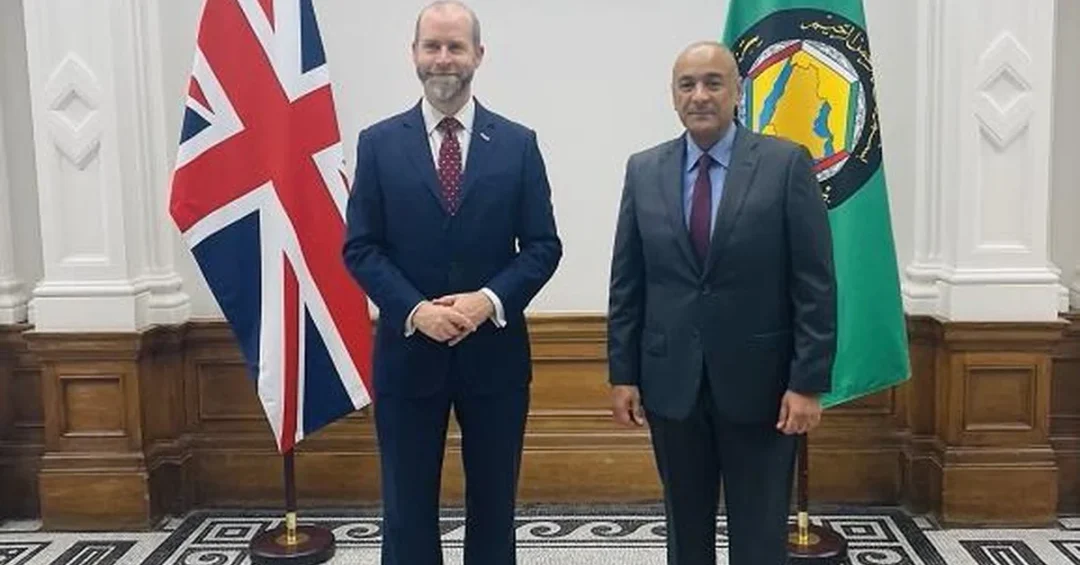
Gulf Cooperation Council (GCC) Secretary-General Jasem Mohamed Albudaiwi announced that the GCC and the United Kingdom have agreed to advance negotiations on a free trade agreement (FTA), with the goal of signing the deal before the end of 2024. The announcement came after a meeting in London on July 10, 2024, between Albudaiwi and the UK Secretary of State for Business and Trade, Jonathan Reynolds. Both officials expressed a strong commitment to finalizing the agreement this year, signaling a new chapter in GCC-UK economic relations.
Context and Background
The GCC, comprising Bahrain, Kuwait, Oman, Qatar, Saudi Arabia, and the United Arab Emirates, has been negotiating a free trade agreement with the UK since 2022, following the UK’s departure from the European Union. The talks aim to deepen trade ties, reduce tariffs, and enhance economic cooperation across various sectors. The UK is a major trading partner for the GCC, with bilateral trade exceeding £50 billion annually. The new British government, led by Prime Minister Keir Starmer, has shown renewed interest in accelerating the negotiations, viewing the Gulf region as a key partner for post-Brexit trade.
Key Details
During the meeting, Albudaiwi and Reynolds discussed ways to enhance economic and trade relations, emphasizing the need to hold regular meetings between senior officials to finalize the remaining chapters of the FTA. “I sensed a strong interest from the new British government and a sincere desire to complete the negotiation rounds,” Albudaiwi said. Reynolds echoed this sentiment, expressing his wish to have the agreement signed before the end of 2024. The FTA is expected to cover goods, services, investment, digital trade, and sustainable development, among other areas.
Implications and Impact
The successful conclusion of the GCC-UK FTA would significantly boost trade and investment flows between the two regions. It would provide GCC businesses with preferential access to the UK market and vice versa, creating new opportunities for exporters and investors. The agreement is also seen as a strategic move to strengthen the GCC’s global trade network and diversify its economic partnerships. For the UK, it represents a crucial step in building its independent trade policy and expanding its presence in the Gulf, a region of growing geopolitical and economic importance.
Vision 2030 Alignment
This development aligns closely with Saudi Arabia’s Vision 2030, which aims to diversify the Kingdom’s economy and enhance its global engagement. As the largest GCC economy, Saudi Arabia stands to benefit significantly from the FTA, particularly in sectors such as renewable energy, technology, and advanced manufacturing. The agreement will support the Kingdom’s efforts to attract foreign investment, boost non-oil exports, and create new opportunities for Saudi businesses and entrepreneurs. It also reinforces Saudi Arabia’s role as a bridge between the Gulf and the wider world, contributing to a more prosperous and interconnected future.
20 Questions
Q1. What did GCC Secretary-General Jasem Mohamed Albudaiwi announce regarding the UK?
A1. He announced that the GCC and the UK have agreed to proceed with negotiations for a free trade agreement, aiming to sign it by the end of 2024.
Q2. When and where did the meeting between Albudaiwi and UK officials take place?
A2. The meeting took place in London on July 10, 2024, between GCC Secretary-General Jasem Mohamed Albudaiwi and UK Secretary of State for Business and Trade Jonathan Reynolds.
Q3. Who is the UK Secretary of State for Business and Trade that met with Albudaiwi?
A3. The UK Secretary of State for Business and Trade who met with Albudaiwi is Jonathan Reynolds.
Q4. What is the main goal of the GCC-UK free trade agreement?
A4. The main goal is to enhance economic and trade relations by reducing tariffs, improving market access, and fostering cooperation across various sectors.
Q5. When did the GCC and UK begin negotiations for the FTA?
A5. The negotiations began in 2022, following the UK’s exit from the European Union, as part of efforts to strengthen bilateral trade ties.
Q6. What did Albudaiwi sense from the new British government regarding the FTA?
A6. He sensed a strong interest and sincere desire from the new British government to complete the negotiation rounds and finalize the agreement.
Q7. What did Jonathan Reynolds express about the timing of the agreement?
A7. Reynolds expressed his desire to have the agreement signed before the end of 2024, indicating a push for swift conclusion.
Q8. What topics were discussed during the meeting?
A8. They discussed economic and trade relations between the GCC and the UK, and ways to enhance and develop them further.
Q9. How often will senior officials meet to finalize the FTA?
A9. Both sides agreed to hold regular meetings between senior officials to finalize the chapters and sign the agreement this year.
Q10. What is the annual trade volume between the GCC and the UK?
A10. Bilateral trade between the GCC and the UK exceeds £50 billion annually, highlighting the importance of the economic relationship.
Q11. Which countries are part of the GCC?
A11. The GCC comprises Bahrain, Kuwait, Oman, Qatar, Saudi Arabia, and the United Arab Emirates.
Q12. What sectors are expected to be covered by the FTA?
A12. The FTA is expected to cover goods, services, investment, digital trade, and sustainable development, among other areas.
Q13. How will the FTA benefit GCC businesses?
A13. It will provide preferential access to the UK market, creating new opportunities for exporters and investors in the region.
Q14. What does the FTA mean for the UK’s trade policy?
A14. It represents a crucial step in building the UK’s independent trade policy and expanding its presence in the Gulf region.
Q15. How does the FTA align with Saudi Arabia’s Vision 2030?
A15. It supports economic diversification, enhances global engagement, and boosts non-oil exports, aligning with Vision 2030 goals.
Q16. What benefits will Saudi Arabia gain from the FTA?
A16. Saudi Arabia stands to benefit in sectors like renewable energy, technology, and advanced manufacturing, attracting investment and creating jobs.
Q17. What is the strategic importance of the GCC-UK FTA for the region?
A17. It strengthens the GCC’s global trade network, diversifies partnerships, and enhances economic cooperation with a major global economy.
Q18. Did the meeting address any other issues besides trade?
A18. The meeting focused primarily on economic and trade relations, but also touched on mutual interests and strategic partnership enhancement.
Q19. What is the expected timeline for signing the FTA?
A19. Both officials aim to sign the agreement before the end of 2024, with regular meetings planned to finalize the details.
Q20. How does this agreement reflect Saudi Arabia’s global role?
A20. It reinforces Saudi Arabia’s position as a bridge between the Gulf and the world, contributing to a more prosperous and interconnected future.
Reader Feedback
We value your thoughts. Please share your feedback on this article.
Your feedback helps us improve our coverage.