


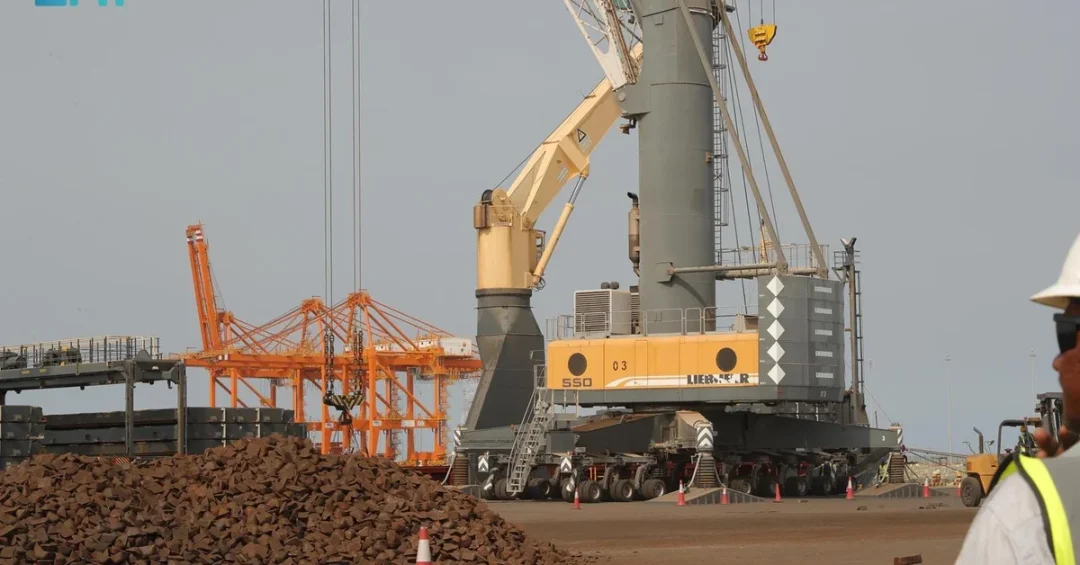
Jazan City for Primary and Downstream Industries (JCPDI) has exported over 11,000 tons of pig iron to Italy, marking a significant milestone in Saudi Arabia’s growing industrial export capacity. The shipment, which departed from JCPDI’s port, highlights the Kingdom’s expanding role in global trade and its commitment to diversifying the economy under Vision 2030. The pig iron was produced by the Advanced Smelting Industries Company, utilizing state-of-the-art smelting furnaces that are the largest of their kind worldwide.
Context and Background
JCPDI is a major industrial hub located on the Red Sea coast, strategically positioned near the Bab al-Mandab Strait and the Horn of Africa. The city is designed to support primary and downstream industries, leveraging Saudi Arabia’s natural resources and logistical advantages. The export of pig iron to Italy underscores the Kingdom’s ability to produce high-quality industrial materials and compete in international markets. This development aligns with Saudi Arabia’s broader efforts to diversify its economy beyond oil, a key pillar of Vision 2030.
Key Details
The Advanced Smelting Industries Company operates within JCPDI, using advanced technology to produce pig iron in furnaces that are the largest globally. This week, JCPDI also imported 30,000 tons of ilmenite from Mozambique, demonstrating the port’s dual role in both export and import activities. The port’s advanced logistical capabilities and strategic location make it an ideal center for trade exchange, supporting maritime transport, freight, and export businesses. These activities are part of Saudi Arabia’s efforts to enhance its industrial base and integrate with global supply chains.
Implications and Impact
The export of pig iron to Italy signifies Saudi Arabia’s growing influence in the global steel and manufacturing sectors. It also strengthens economic ties between the Kingdom and European markets, particularly Italy, which is a major industrial economy. The import of ilmenite from Mozambique further illustrates JCPDI’s role in facilitating international trade and securing raw materials for domestic industries. This exchange not only boosts Saudi Arabia’s trade balance but also positions JCPDI as a key player in regional and global logistics, attracting further investment and partnerships.
Vision 2030 Alignment
This achievement is a clear reflection of Vision 2030’s objectives to diversify the economy, increase non-oil exports, and develop industrial cities like JCPDI. By exporting high-value products such as pig iron, Saudi Arabia is creating new revenue streams and job opportunities, while also enhancing its global competitiveness. The success of JCPDI in facilitating such large-scale trade underscores the Kingdom’s commitment to becoming a leading industrial and logistical hub, driving sustainable growth and international collaboration.
20 Questions
Q1. What is Jazan City for Primary and Downstream Industries?
A1. Jazan City for Primary and Downstream Industries (JCPDI) is a major industrial zone in Saudi Arabia, located on the Red Sea coast, designed to support primary and downstream industries with advanced infrastructure and logistical services.
Q2. How much pig iron was exported to Italy?
A2. Over 11,000 tons of pig iron were exported to Italy from JCPDI’s port, showcasing Saudi Arabia’s capacity to produce and ship high-quality industrial materials to international markets.
Q3. Which company produced the pig iron?
A3. The Advanced Smelting Industries Company, based in JCPDI, produced the pig iron using state-of-the-art smelting furnaces that are the largest of their kind globally.
Q4. What is significant about the smelting furnaces?
A4. The smelting furnaces are the largest of their kind in the world, demonstrating Saudi Arabia’s adoption of advanced technologies to enhance industrial production and efficiency.
Q5. What other commodity was imported by JCPDI this week?
A5. JCPDI imported 30,000 tons of ilmenite from Mozambique, a key raw material used in various industrial processes, reflecting the port’s role in international trade.
Q6. Where is JCPDI located?
A6. JCPDI is situated on the Red Sea coast, near the Bab al-Mandab Strait, providing strategic access to key maritime routes and proximity to African and Asian markets.
Q7. Why is JCPDI’s location important?
A7. Its location near the Bab al-Mandab Strait and the Horn of Africa makes it an ideal logistical hub for maritime transport, freight, and export activities, enhancing trade connectivity.
Q8. What is pig iron used for?
A8. Pig iron is a key material in steel production, used as a primary input in steelmaking and foundries for manufacturing various industrial and consumer products.
Q9. How does this export benefit Saudi Arabia’s economy?
A9. The export generates revenue, diversifies income sources away from oil, and strengthens Saudi Arabia’s position in global industrial markets, supporting economic growth.
Q10. What is the significance of exporting to Italy?
A10. Exporting to Italy, a major European industrial economy, enhances Saudi Arabia’s trade ties with Europe and demonstrates the competitiveness of its industrial products.
Q11. What role does JCPDI’s port play in trade?
A11. JCPDI’s port serves as a crucial logistical center with advanced capabilities, facilitating efficient maritime transport, freight handling, and export-import operations.
Q12. How does this align with Vision 2030?
A12. This aligns with Vision 2030 by promoting non-oil exports, industrial diversification, and developing economic cities like JCPDI to drive sustainable growth.
Q13. What is ilmenite used for?
A13. Ilmenite is a titanium-iron oxide mineral used primarily to produce titanium dioxide, which is used in pigments, and also in the production of titanium metal.
Q14. Why is the import of ilmenite important?
A14. Importing ilmenite ensures a steady supply of raw materials for Saudi industries, supporting domestic manufacturing and value-added production.
Q15. How many tons of ilmenite were imported?
A15. JCPDI imported 30,000 tons of ilmenite from Mozambique, highlighting the port’s capacity to handle large-scale imports for industrial use.
Q16. What technology is used in the smelting process?
A16. The Advanced Smelting Industries Company uses state-of-the-art technologies to operate its smelting furnaces, ensuring high efficiency and quality in pig iron production.
Q17. What are the benefits of JCPDI for Saudi Arabia?
A17. JCPDI boosts industrial diversification, creates jobs, attracts foreign investment, and enhances Saudi Arabia’s role as a global trade and logistics hub.
Q18. How does this export impact Saudi-Italian relations?
A18. It strengthens economic ties between Saudi Arabia and Italy, fostering mutual trade and opening doors for further collaboration in industrial sectors.
Q19. What is the significance of the largest smelting furnaces?
A19. The furnaces’ size and advanced technology reflect Saudi Arabia’s industrial capabilities, enabling higher production volumes and competitiveness in global markets.
Q20. How does JCPDI support Vision 2030 goals?
A20. JCPDI supports Vision 2030 by driving economic diversification, increasing non-oil exports, and establishing Saudi Arabia as a leading industrial and logistical hub.
Reader Feedback
We value your thoughts. Please share your feedback on this article.
Your feedback helps us improve our coverage.