


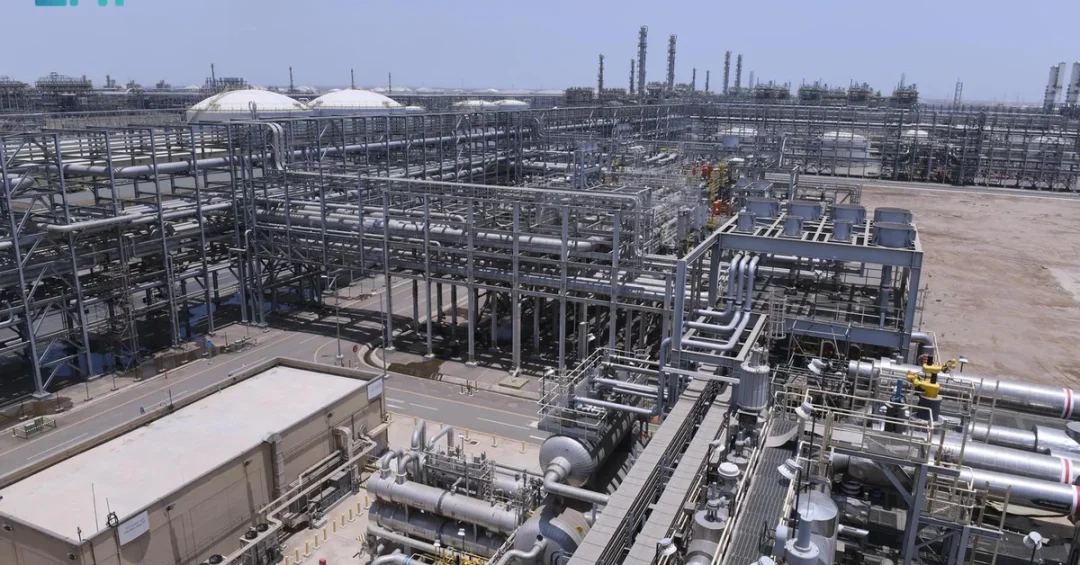
The industrial sector in the Jazan region has emerged as a key driver of Saudi Arabia’s non-oil economic growth, with total industrial investments exceeding SAR71.46 billion, according to the Jazan Chamber of Commerce and Industry. This significant milestone reflects the Kingdom’s broader efforts to diversify its economy and achieve the goals of Saudi Vision 2030. With 193 existing factories, 52 under construction, and 80 mining licenses, the region is rapidly establishing itself as a premier industrial hub, supported by strategic infrastructure and government incentives.
Context and Background
The industrial sector plays a vital role in Saudi Arabia’s economic diversification strategy, contributing significantly to non-oil GDP, job creation, and export growth. The Jazan region, located in the southwest of the Kingdom, has benefited from substantial government support aimed at developing its industrial capabilities. This support includes the provision of essential infrastructure, logistical services, and the establishment of industrial cities, all of which have enhanced the sector’s competitiveness.
The region’s industrial growth is underpinned by its strategic location, abundant natural resources, and access to both local and neighboring markets. The Saudi Industrial Development Fund (SIDF) provides loans covering up to 75% of capital, with interest-free repayment periods of up to 20 years, further incentivizing industrial investment.
Key Details
At the heart of Jazan’s industrial expansion is the Jazan City for Primary and Downstream Industries, which spans 266 square kilometers. This mega-project serves as a major logistics center, leveraging its proximity to the Red Sea and the Belt and Road Initiative to facilitate trade with African and Asian markets. The city is designed to provide sustainable employment opportunities for residents of the region and Saudis nationwide.
Jazan Industrial City is equipped with essential utilities such as electricity, water, and buildings, and operates as a special economic zone offering tax exemptions, investment facilities, and advanced logistical services. Industrial plots have been leased to project owners at symbolic rents to encourage development.
Additionally, the Jazan Special Economic Zone serves as an advanced industrial city and a platform for Saudi-Chinese investment, capitalizing on its Red Sea coast location near growing African markets. The region also boasts three industrial cities and two seaports, including one of the newest and largest-capacity industrial ports. The manufacturing sector in Jazan employs over 13,000 workers, underscoring its role as a significant source of employment.
Implications and Impact
The growth of Jazan’s industrial sector has far-reaching implications for Saudi Arabia’s economy and its international trade relations. By attracting local and foreign investments, the region is helping to increase export rates and integrate with other economic sectors. The proximity to African markets positions Jazan as a gateway for Saudi exports, while the Belt and Road Initiative connection enhances its role in global supply chains.
The industrial development also supports the Kingdom’s efforts to reduce dependence on oil revenues. With a focus on primary and downstream industries, Jazan is fostering value-added manufacturing that can compete internationally. The region’s emerging tourism industry, supported by its diverse geography including islands and mountains, adds another dimension to its economic diversification.
Vision 2030 Alignment
The industrial advancements in Jazan are closely aligned with Saudi Vision 2030, which aims to diversify the economy, create jobs, and attract foreign investment. By developing industrial cities and special economic zones, the Kingdom is not only boosting non-oil GDP but also enhancing its position as a global logistics and manufacturing hub. The Jazan region exemplifies how strategic investments in infrastructure and incentives can transform a region into a thriving industrial center, contributing to the sustainable prosperity of Saudi Arabia and its people.
20 Questions
Q1. What is the total industrial investment in the Jazan region?
A1. According to the Jazan Chamber of Commerce and Industry, the total industrial investment in the region exceeds SAR71.460 billion, reflecting significant growth and development in the sector.
Q2. How many existing factories are there in Jazan?
A2. There are 193 existing factories in the Jazan region, with an additional 52 under construction, indicating ongoing industrial expansion and investment.
Q3. How many mining licenses have been issued in Jazan?
A3. The region has 80 mining licenses, which support the extraction and utilization of mineral resources for industrial purposes.
Q4. How many industrial cities are in Jazan?
A4. Jazan has three industrial cities, including the prominent Jazan City for Primary and Downstream Industries, which covers 266 square kilometers.
Q5. How many seaports does Jazan have?
A5. Jazan has two seaports, one of which is the newest and largest-capacity industrial port in the region, facilitating trade and logistics.
Q6. How many workers are employed in the manufacturing sector in Jazan?
A6. The manufacturing sector in Jazan employs over 13,000 workers, providing significant employment opportunities for the local population.
Q7. What is the area of Jazan City for Primary and Downstream Industries?
A7. The city covers an area of 266 square kilometers, making it a major industrial and logistics hub in the southern region.
Q8. What incentives does the Saudi Industrial Development Fund offer?
A8. The fund provides loans covering up to 75% of capital, with interest-free repayment periods of up to 20 years, to support industrial projects.
Q9. What makes Jazan’s location strategic for industry?
A9. Its proximity to the Red Sea and the Belt and Road Initiative, along with easy access to African markets, makes it a strategic logistics center.
Q10. What is the Jazan Special Economic Zone?
A10. It is an advanced industrial city and an ideal center for business growth, serving as a platform for Saudi-Chinese investment and offering tax exemptions.
Q11. What types of industries are prominent in Jazan?
A11. The region focuses on primary and downstream industries, including manufacturing, mining, and logistics, supported by its natural resources.
Q12. How does Jazan contribute to Saudi Vision 2030?
A12. By attracting investments, creating jobs, and boosting non-oil GDP, Jazan aligns with Vision 2030’s goals of economic diversification and sustainable development.
Q13. What natural resources are available in Jazan?
A13. Jazan has abundant natural resources, including islands, mountains, and mineral deposits, which support both industry and tourism.
Q14. How does Jazan support Saudi-Chinese investment?
A14. Through the Jazan Special Economic Zone, which provides a platform for Chinese investors to access African and Middle Eastern markets.
Q15. What logistical services are available in Jazan Industrial City?
A15. The city offers advanced logistical services, including electricity, water, buildings, and transportation infrastructure to support industrial operations.
Q16. What are the benefits for investors in Jazan?
A16. Investors benefit from tax exemptions, investment facilities, symbolic rents, and access to raw materials and markets.
Q17. How does Jazan’s industry impact employment?
A17. The sector provides over 13,000 jobs, with potential for more as new factories are built, supporting local and national employment.
Q18. What role does Jazan play in Saudi exports?
A18. Jazan’s industrial output contributes to Saudi exports, particularly to African and Asian markets, enhancing the Kingdom’s trade balance.
Q19. How is Jazan’s tourism industry linked to its industrial growth?
A19. The region leverages its geographical diversity, including islands and mountains, to promote tourism alongside industrial development.
Q20. What future prospects exist for Jazan’s industrial sector?
A20. With ongoing investments and infrastructure development, Jazan is poised for continued growth, further contributing to Saudi Arabia’s economic diversification.
Reader Feedback
We value your thoughts. Please share your feedback on this article.
Your feedback helps us improve our coverage.