


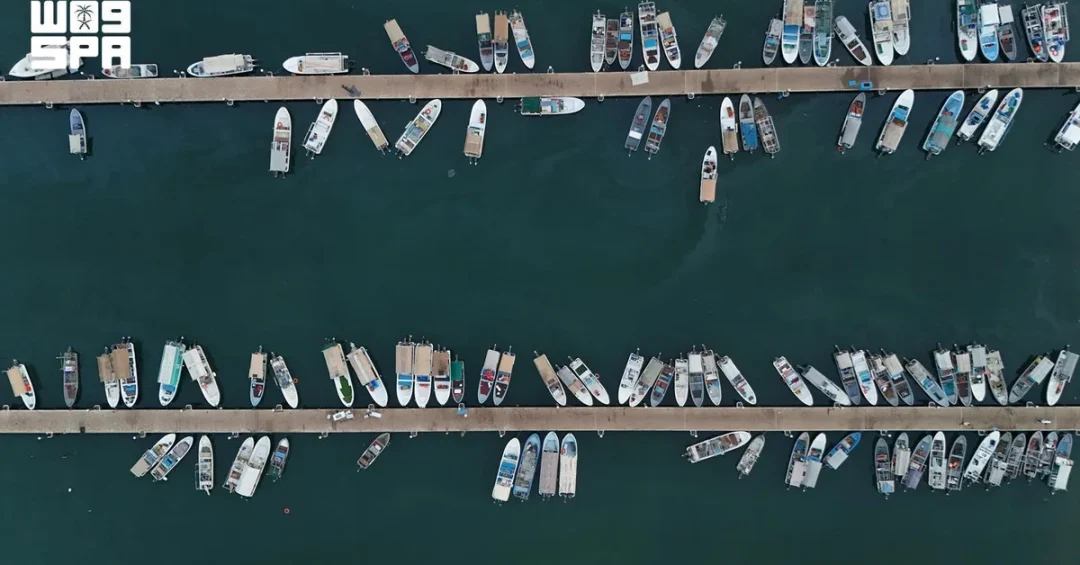
The Red Sea waters off the coast of Jazan Region have officially reopened for the annual shrimp fishing season, with more than 120 fishing boats set to take part in a seven-month campaign running from September 1, 2026, through the end of March 2027, according to the Saudi Press Agency (SPA). The launch follows the completion of all regulatory, logistical, and licensing preparations by the Jazan branch of the Ministry of Environment, Water and Agriculture, which confirmed that fishermen can begin operations immediately under approved regulations and requirements. The season is one of the region’s most prominent marine events, combining economic activity for coastal communities with the sustainable management of natural resources.
Why does a single fishing season in southwestern Saudi Arabia matter far beyond the Kingdom’s borders? Because it sits at the intersection of food security, environmental stewardship, and the economic diversification goals of Saudi Vision 2030. Jazan’s fisheries sector is not a marginal activity; it is a strategic contributor to the national food supply. The region recorded a total marine catch of 10,639 tons of various fish species, while shrimp catches reached 953 tons. In addition, shrimp production from aquaculture projects amounted to 2,234 tons, underscoring the growing role of farmed seafood alongside traditional capture fisheries.
Context and Background
How did Jazan become one of the Kingdom’s most important fisheries hubs? The answer lies in geography and sustained public investment. Jazan Region occupies a long stretch of the Red Sea coastline in southwestern Saudi Arabia, where warm waters, nutrient-rich currents, and a wide continental shelf create favorable conditions for shrimp and other marine species. For generations, coastal families have depended on these waters, and the annual shrimp season has long been a fixture of the local calendar, marking a period of heightened activity for boats, markets, and processing facilities.
The Ministry of Environment, Water and Agriculture has gradually formalized and modernized the sector. Its Jazan branch, led by Director-General Ahmed Al Majthal, coordinates licensing, inspection, and support services for fishermen. Seasonal shrimp fishing licenses are issued through the Naama portal, an integrated digital platform that streamlines applications and ensures compliance with approved rules. This regulatory framework is designed to protect marine stocks while allowing fishermen to operate productively during the designated seven-month window.
According to official Saudi information released via SPA, preparations for the 2026-2027 season included putting in place the services and regulatory procedures required for fishermen to carry out their activities in line with approved regulations. The ministry also coordinated with relevant authorities to facilitate licensing and operational readiness. This approach reflects a broader national commitment to managing fisheries scientifically, rather than allowing unregulated expansion that could deplete Red Sea resources.
Key Details
What exactly does the new season involve on the water and onshore? More than 120 fishing boats are participating, a fleet size that supports hundreds of direct and indirect jobs across Jazan’s coastal communities. The season runs for seven months, giving fishermen a predictable operating period and enabling markets and exporters to plan ahead. The Ministry of Environment, Water and Agriculture’s Jazan branch has completed all required preparations and services, according to Ahmed Al Majthal, who told SPA that the branch has supported fishermen by completing the procedures needed to begin activities at the start of the season.
The scale of the sector is significant. The total catch of 10,639 tons of various fish species in Jazan demonstrates the breadth of the region’s marine output, while shrimp catches of 953 tons represent a high-value segment of that total. Aquaculture projects contributed an additional 2,234 tons of shrimp, a figure that highlights how farmed production complements wild capture. Together, these numbers illustrate a diversified seafood supply chain that includes traditional fishing, modern aquaculture, processing, cold-chain logistics, and distribution to markets across the Kingdom and beyond.
Licensing is a central part of the season’s management. Fishermen obtain seasonal shrimp fishing licenses through the Naama portal, which reduces administrative delays and improves transparency. The ministry’s branch also coordinates with relevant authorities to ensure that vessels meet safety and environmental requirements. This integrated system allows regulators to monitor effort, protect breeding grounds, and enforce seasonal closures when necessary, balancing economic returns with the long-term health of shrimp stocks.
International and Regional Impact
How does Jazan’s shrimp season resonate across the region and the wider world? The Red Sea is a shared marine environment, and Saudi Arabia’s approach to fisheries management sets an example for neighboring states that depend on similar resources. By adhering to seasonal schedules, licensing rules, and sustainability standards, the Kingdom contributes to regional efforts to prevent overfishing and protect biodiversity. Healthy shrimp stocks in the Red Sea support not only Saudi fishermen but also the broader ecosystem that sustains other commercial species.
Internationally, the season strengthens Saudi Arabia’s position as a reliable supplier of high-quality seafood. Shrimp is a globally traded commodity, and demand in Asia, Europe, and the Gulf remains strong. Jazan’s production, both wild-caught and farmed, adds volume to Saudi seafood exports and supports the Kingdom’s ambitions to expand non-oil exports. The combination of capture fisheries and aquaculture also aligns with global best practices, as international organizations increasingly recommend diversified sourcing to meet rising protein demand without depleting wild populations.
Regional cooperation is another dimension. Saudi Arabia participates in marine conservation initiatives and works with partners to combat illegal, unreported, and unregulated fishing. The Jazan season, managed through official channels and monitored by the Ministry of Environment, Water and Agriculture, reinforces the Kingdom’s commitment to responsible stewardship of the Red Sea. For international audiences, this is a clear signal that Saudi Arabia treats its marine resources as a strategic asset to be developed sustainably, not exploited short-term.
Economic and Strategic Significance
Why is the shrimp season economically important for Jazan and the Kingdom as a whole? Fisheries support livelihoods along the coast, from boat owners and crew members to fishmongers, transporters, and processors. A seven-month season provides sustained income for these workers and stimulates local commerce in ports, markets, and related services. The high value of shrimp relative to many other marine products means that even a modest tonnage can generate meaningful revenue for coastal communities and contribute to regional economic development.
Strategically, the sector is part of Saudi Arabia’s effort to diversify its economy away from hydrocarbons. Food production, including fisheries and aquaculture, is a priority under Vision 2030 because it reduces reliance on imports and builds domestic resilience. The Ministry of Environment, Water and Agriculture has promoted aquaculture as a growth industry, and Jazan’s 2,234 tons of farmed shrimp show that these efforts are yielding results. By linking wild capture with aquaculture, the Kingdom can increase supply without placing unsustainable pressure on wild stocks.
Food security is the overarching strategic benefit. Saudi Arabia, like many countries, seeks to secure reliable sources of protein for its population. Domestic shrimp production, both from the sea and from farms, contributes to that goal and reduces exposure to global supply chain disruptions. The season also supports the sustainable use of natural resources, a principle embedded in the Kingdom’s environmental policies and international commitments. In this sense, the Jazan shrimp season is not merely a local event; it is a component of national resilience.
Vision 2030 Alignment
How does the Jazan shrimp season connect to the ambitions of Saudi Vision 2030? Vision 2030 aims to diversify the economy, create jobs, and improve the quality of life for citizens. The fisheries sector contributes on all three fronts. It generates employment in coastal areas, supports small and medium-sized enterprises in processing and distribution, and provides healthy food for domestic and export markets. By promoting promising sectors such as fisheries and aquaculture, the Kingdom is building a more diversified and sustainable economy.
The season also reflects Vision 2030’s emphasis on environmental sustainability. The Ministry of Environment, Water and Agriculture’s regulatory framework, including seasonal licensing and the Naama portal, ensures that fishing activity is conducted responsibly. Protecting the Red Sea’s marine resources is not only an environmental imperative but also an economic one, because healthy stocks are the foundation of future catches. As Jazan’s fishermen set out for the 2026-2027 season, they are participating in a national effort to balance prosperity with stewardship, advancing the Kingdom’s long-term vision and its role as a responsible global actor in marine resource management.
20 Questions
Q1. When does the Jazan shrimp fishing season begin and end?
A1. The season begins on September 1, 2026, and runs for seven months through the end of March 2027, according to the Saudi Press Agency.
Q2. How many fishing boats are participating in the season?
A2. More than 120 fishing boats are set to take part in this year’s season, following preparations by the Ministry of Environment, Water and Agriculture’s Jazan branch.
Q3. Which government body oversees the shrimp season in Jazan?
A3. The Jazan branch of the Ministry of Environment, Water and Agriculture oversees preparations, licensing, and regulatory procedures for the season.
Q4. What did Ahmed Al Majthal say about the season’s preparations?
A4. The Director-General of the ministry’s Jazan branch said all preparations and services required for the start of the season have been completed, including support for fishermen.
Q5. How are seasonal shrimp fishing licenses issued?
A5. Licenses are issued through the Naama portal, an integrated digital platform, in coordination with relevant authorities to streamline procedures for fishermen.
Q6. What was Jazan’s total marine catch of various fish species?
A6. The region recorded a total catch of 10,639 tons of various fish species, reflecting the scale of its fisheries sector.
Q7. How many tons of shrimp were caught in Jazan?
A7. Shrimp catches reached 953 tons, representing a high-value segment of the region’s total marine output.
Q8. How much shrimp came from aquaculture projects?
A8. Shrimp production from aquaculture projects amounted to 2,234 tons, highlighting the role of farmed seafood alongside capture fisheries.
Q9. Why is the shrimp season important for food security?
A9. It contributes to domestic protein supply, reduces reliance on imports, and supports the sustainable use of natural resources, strengthening national food security.
Q10. How does the season support local communities?
A10. It provides income for boat owners, crew members, processors, and traders, stimulating economic activity across Jazan’s coastal areas for seven months.
Q11. What role does aquaculture play in Jazan’s fisheries?
A11. Aquaculture adds 2,234 tons of shrimp, diversifying supply and reducing pressure on wild stocks while supporting the growth of the sector.
Q12. How does the season align with Saudi Vision 2030?
A12. It promotes a promising non-oil sector, creates jobs, enhances food security, and ensures sustainable use of natural resources, all core Vision 2030 objectives.
Q13. What environmental measures are in place during the season?
A13. Seasonal licensing, regulatory procedures, and coordination with authorities help protect marine resources and prevent overfishing in the Red Sea.
Q14. Which sea do Jazan’s fishermen operate in?
A14. They fish in the Red Sea waters off the coast of Jazan Region in southwestern Saudi Arabia, an area known for favorable marine conditions.
Q15. How does the season benefit Saudi seafood exports?
A15. It adds volume and value to Saudi seafood production, supporting non-oil exports and reinforcing the Kingdom’s reputation as a reliable supplier.
Q16. What is the Naama portal used for?
A16. The Naama portal is a digital platform used to issue seasonal shrimp fishing licenses and streamline administrative procedures for fishermen.
Q17. How does the ministry support fishermen at the start of the season?
A17. It completes required procedures, provides services, and coordinates with authorities so fishermen can begin activities immediately under approved regulations.
Q18. Why is the shrimp season considered one of Jazan’s most prominent marine seasons?
A18. It generates significant economic activity, supports food security, and reflects the integration of regulation, fisheries production, and aquaculture in the region.
Q19. What does the season demonstrate about Saudi Arabia’s marine management?
A19. It shows a commitment to scientific regulation, sustainable use of resources, and balancing economic benefits with environmental protection in the Red Sea.
Q20. What is the long-term goal of developing Jazan’s fisheries sector?
A20. The goal is to strengthen food security, diversify the economy, create jobs, and ensure the sustainable use of marine resources in line with Vision 2030.
Reader Feedback
We value your thoughts. Please share your feedback on this article.
Your feedback helps us improve our coverage.
Related articles
 FII Institute Unveils Global Speakers for FII10 in Riyadh
 Northern Borders Date Production Hits 559 Tons from 22,000 Palms
 Al-Khabra Boulevard Boosts Qassim Economy and Tourism
 Naqwa Unaizah Dates Reach 65 Countries Worldwide
 Tabuk Governor Inaugurates SAR176M Road Projects in Saudi Arabia
 RSGT, CMA CGM Sign SAR1.6 Billion Deal to Develop Jeddah Port Terminal