


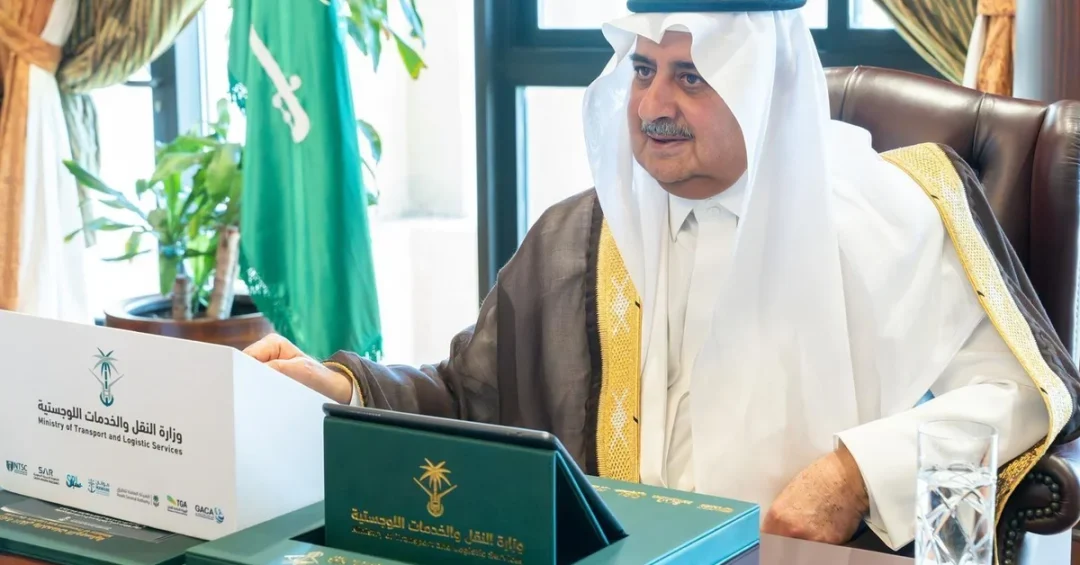
Governor of Tabuk Region Prince Fahd bin Sultan bin Abdulaziz inaugurated three vital road projects worth SAR176 million, enhancing connectivity and safety across the region, as announced by the Saudi Press Agency. The projects include the rehabilitation of damaged sections of the Tabuk–Madinah, Tabuk–Al-Jouf, and Tabuk–Duba roads, providing a safer and more efficient travel experience for residents and visitors alike.
Context and Background
The inauguration underscores Saudi Arabia’s commitment to modernizing transportation infrastructure as a cornerstone of the Kingdom’s Vision 2030 national development strategy. With the region of Tabuk serving as a gateway to the futuristic city of NEOM and the Red Sea coast, these road improvements are critical to facilitating movement of people, goods, and investment.
The roads are part of a broader plan to expand the Kingdom’s road network, which now exceeds 71,000 kilometers. Prince Fahd’s initiative aligns with the Ministry of Transport and Logistics Services’ strategy to upgrade non-urban roadways, reduce accident rates, and integrate smart transportation systems.
Key Details: Project Scope and Road Safety Initiative
The inaugurated projects cover the rehabilitation of weathered sections on three strategic routes: Tabuk–Madinah, connecting the region to the holy cities; Tabuk–Al-Jouf, facilitating access to the northern agricultural belt; and Tabuk–Duba, serving the emerging coastal economic zones. The work includes surface renewal, signage enhancement, and protective safety measures.
Beyond these constructions, Prince Fahd also launched a road safety initiative in Tabuk Region, deploying the world’s largest road survey and assessment fleet. This project will conduct a comprehensive evaluation of road networks outside urban areas, actively engaging residents to identify risky sections and prioritize upgrades. By integrating community feedback with advanced technology, the initiative aims to cut fatalities by 50% within five years, aligning with national road safety targets.
Implications and Impact
The improvements are expected to reduce travel times, lower vehicle maintenance costs, and enhance access to economic and tourism centers in the northwest. Better road connectivity will encourage investment in logistics, agriculture, and SMEs, while providing a safer route for pilgrims and tourists to areas like NEOM, the Red Sea project, and the ancient site of AlUla.
On an international level, these infrastructure projects complement Saudi Arabia’s strategic location as a trade corridor between Asia, Europe, and Africa, supporting the Kingdom’s goal to become a global logistics hub.
Vision 2030 Alignment
These developments are firmly aligned with Vision 2030’s objective to create a vibrant society and a thriving economy through a diversified infrastructure base. By prioritizing road safety and connectivity, the Kingdom is reinforcing its position as a competitive investment destination and improving the quality of life for citizens and visitors. As Prince Fahd said, these projects mark a significant step forward in the sustainable development of Tabuk, and they will support the region’s broader transformation as part of the NEOM vision. This proactive approach reflects a strategic commitment to building a future-ready transport network that serves as the backbone of Saudi Arabia’s renaissance.
20 Questions
Q1. What did the Governor of Tabuk Region inaugurate?
A1. The Governor of Tabuk Region, Prince Fahd bin Sultan bin Abdulaziz, inaugurated three vital road projects in the region at a total cost of SAR176 million, as announced by the Saudi Press Agency on August 25, 2026.
Q2. How much is the total cost of the three road projects?
A2. The three road projects cost a total of SAR176 million, which is equivalent to approximately USD 47 million. This investment reflects the Kingdom’s strong commitment to developing world-class transportation infrastructure.
Q3. Which roads are included in the rehabilitation projects?
A3. The projects involve the rehabilitation of damaged sections of the Tabuk–Madinah road, the Tabuk–Al-Jouf road, and the Tabuk–Duba road. These routes are essential for regional connectivity, linking Tabuk to major cities and economic centers.
Q4. What are the main goals of these road rehabilitation projects?
A4. The goals are to enhance road safety, improve connectivity between the region’s governorates, and provide a safer, more efficient travel experience for road users. This supports economic growth and development across the region.
Q5. What other initiative did the governor launch?
A5. The governor also launched a road safety initiative in Tabuk Region aimed at conducting a comprehensive survey and assessment of road networks outside urban areas, using the world’s largest road survey and assessment fleet.
Q6. How does the road safety initiative involve residents?
A6. The initiative actively engages residents, whose input is vital in identifying road issues and supporting efforts to improve the network. This community participation ensures that the improvements meet the real needs of road users.
Q7. What is the significance of the timing of these projects?
A7. These projects come as Saudi Arabia implements its Vision 2030, which aims to diversify the economy and enhance the quality of life. Investing in infrastructure is a key pillar to support these goals, enabling more efficient movement of goods and people.
Q8. How do these roads support the economy of the Tabuk region?
A8. Better roads reduce travel times and transportation costs, which boosts trade, logistics, and access to agricultural and industrial areas. They also attract tourism by connecting natural and historical sites, thereby creating jobs and stimulating local business.
Q9. Are there any safety improvements included?
A9. Yes, the rehabilitation includes improvements to road geometry, surfaces, signage, and protective barriers, making driving safer for all users, particularly during inclement weather and at night. The safety initiative also helps identify risk zones.
Q10. How does this project align with the Kingdom’s Vision 2030?
A10. This project supports Vision 2030 by improving infrastructure, which is a key enabler for a thriving economy and a quality-of-life program. It demonstrates the Kingdom’s commitment to building advanced, safe transport networks that meet future demands.
Q11. What role does the Ministry of Transport play?
A11. The Ministry of Transport and Logistics Services oversees the implementation and strategic planning of such road projects. It ensures that all constructions adhere to global standards and contribute to an integrated national transport network, aligning with Vision 2030.
Q12. Are there any specific challenges the project addresses?
A12. The project addresses challenges such as aging road sections that increase travel times and safety risks. It also tackles the need for better connectivity to remote areas, ensuring that all residents have access to central services and opportunities.
Q13. What is the “world’s largest road survey and assessment fleet”?
A13. This fleet is a collection of advanced survey vehicles equipped with sensors, AI, and AI cameras that can efficiently evaluate road conditions. It is part of a national initiative to provide real-time, precise data for road maintenance and safety.
Q14. How will these projects benefit travelers?
A14. Travelers will enjoy smoother, safer, and shorter trips on these routes. The improved roads will also enhance comfort, reduce fuel consumption, and lower the risk of accidents, making travel between major hubs in Saudi Arabia more pleasant.
Q15. What about the link to NEOM and the Red Sea tourism?
A15. These roads connect the region to NEOM and the Red Sea coast, which are key to Saudi tourism development. Efficient roads will allow easier access to future resorts and business hubs, accelerating economic diversification and boosting global tourism.
Q16. How does the project support sustainable development?
A16. By reducing travel times and encouraging efficiency, these projects lower carbon emissions. Also, the road safety survey helps prioritizes upgrades that last longer, reducing the need for frequent repairs and preserving resources, which is essential for a greener future.
Q17. Are these projects part of a larger initiative?
A17. Yes, they are part of the National Transport and Infrastructure Strategy, which aims to modernize the Kingdom’s roads, railways, and ports. This strategy is a key element of Vision 2030 to diversify the economy and improve public services.
Q18. How does the public engagement in the road safety initiative work?
A18. Residents can report issues like potholes or lack of signs through a digital platform. This feedback is used to prioritize interventions, ensuring that the most critical problems are solved first, building trust and encouraging further participation.
Q19. What is the expected timeline for completing these road projects?
A19. While not specified, road rehabilitation of this scale typically takes 12-24 months. The actual progress will be monitored and likely be completed in phases to minimize disruption. The authorities will announce milestones for efficient completion.
Q20. How can the public stay informed about these developments?
A20. The public can follow the Ministry of Transport and Logistics Services’ official social media channels and the Saudi Press Agency for updates on road projects. Local residents are also engaged through community meetings to provide input and receive feedback.
Reader Feedback
We value your thoughts. Please share your feedback on this article.
Your feedback helps us improve our coverage.