


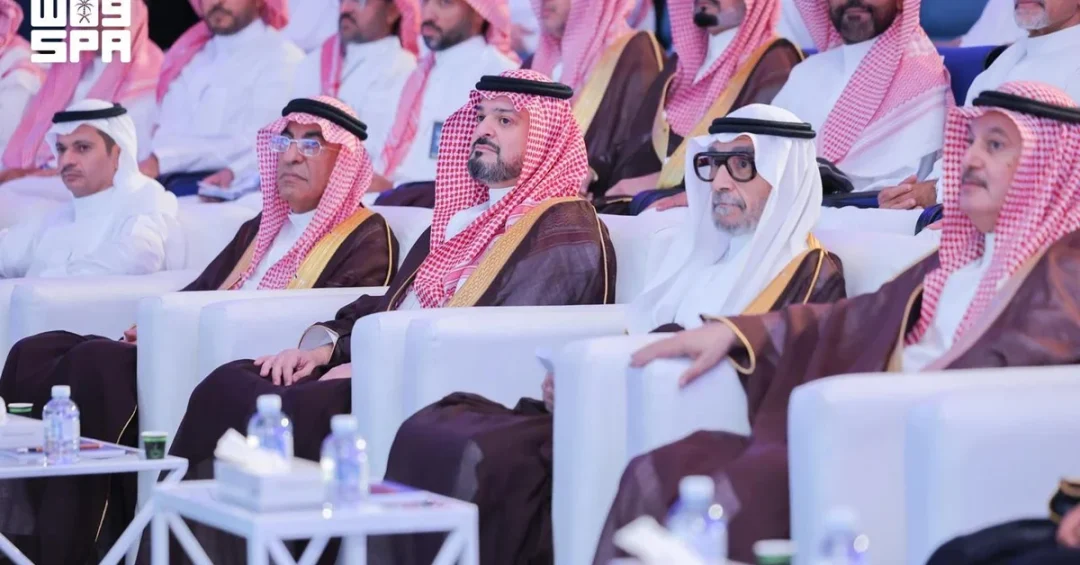
Jeddah Mayor Ihsan bin Abbas Bafaqih met with entrepreneurs to exchange ideas and develop creative solutions aimed at advancing Jeddah’s development and enhancing the future of its services, according to the Saudi Press Agency (SPA). The discussions took place during a panel session held as part of Global Entrepreneurship Week 2026, organized by the Jeddah Chamber, and were attended by Jeddah Chamber Chairman Mohammad Youssef Naghi. The session underscored the Kingdom’s commitment to fostering a vibrant entrepreneurial ecosystem that contributes to the goals of Saudi Vision 2030. How can a city like Jeddah harness the energy of its entrepreneurs to build a smarter, more responsive urban future?
The high-level dialogue reflects a broader national push to integrate private-sector innovation into municipal governance. By bringing together the mayor, the chamber of commerce, and emerging business leaders, the session signaled that Jeddah’s development strategy is increasingly collaborative and open to fresh perspectives. The participation of Mohammad Youssef Naghi, a key figure in the city’s business community, further highlighted the importance of public-private partnerships in driving local growth. What does it take to turn a simple conversation into lasting urban transformation?
Context and Background
Global Entrepreneurship Week is an international initiative that celebrates innovators and job creators, and Saudi Arabia has embraced it as a platform to showcase its own entrepreneurial momentum. The Jeddah Chamber, one of the Kingdom’s oldest and most influential business organizations, hosted the panel as part of a week-long series of events designed to connect entrepreneurs with decision-makers. In Jeddah, a city that serves as a major commercial gateway and a historic hub of trade, such engagement is particularly significant. Why is it important for a city’s leadership to listen directly to the ideas of its entrepreneurs?
The panel session covered several topics, including innovation and development, opportunities for younger generations to participate in city projects, and the role of Jeddah Municipality in supporting entrepreneurs’ ideas. It also highlighted areas and opportunities available for entrepreneurs to contribute to municipal initiatives and projects. These themes align with the Kingdom’s Vision 2030 reform agenda, which seeks to diversify the economy, empower youth, and expand the private sector’s role in public service delivery. How can a municipality open its doors wide enough to welcome innovation from every corner of society?
Jeddah itself is undergoing a period of rapid transformation, with major infrastructure projects, cultural developments, and quality-of-life initiatives reshaping the city. The mayor’s direct engagement with entrepreneurs signals that the municipality views them not merely as beneficiaries of city services but as active partners in designing them. This collaborative approach is part of a wider effort to make local government more agile and responsive. What role should local government play in nurturing the next generation of problem-solvers?
Key Details
During the session, Mayor Bafaqih exchanged ideas with entrepreneurs and explored creative solutions to advance Jeddah’s development and enhance the future of its services. The discussion emphasized innovation and development, with a focus on how entrepreneurial thinking can be applied to municipal challenges. The mayor’s participation underscored a willingness to engage directly with the business community and to consider new approaches to urban management. What specific municipal services could benefit most from an infusion of entrepreneurial creativity?
A central theme was the participation of younger generations in city projects. The session addressed how young people can contribute ideas and energy to municipal initiatives, and how the Jeddah Municipality can support their aspirations. This focus on youth aligns with Vision 2030’s emphasis on empowering young Saudis and expanding their role in the economy and society. By giving young entrepreneurs a platform, the city hopes to tap into a demographic that represents the majority of the Kingdom’s population. How can a city ensure that young voices are not only heard but also acted upon?
The panel also highlighted the role of Jeddah Municipality in supporting entrepreneurs’ ideas and outlined the areas and opportunities available for entrepreneurs to contribute to municipal initiatives and projects. This practical dimension of the session—identifying concrete avenues for collaboration—demonstrates a results-oriented approach. The presence of Jeddah Chamber Chairman Mohammad Youssef Naghi added institutional weight to the discussions, reinforcing the chamber’s role as a bridge between the private sector and local government. Why is it valuable for chambers of commerce to facilitate such direct dialogues between city officials and entrepreneurs?
International and Regional Impact
Jeddah’s efforts to involve entrepreneurs in municipal development resonate beyond the Kingdom’s borders. As a major port city and a gateway to the holy cities of Mecca and Medina, Jeddah is a focal point for international trade and cultural exchange. A more dynamic, innovative local government enhances the city’s attractiveness to foreign investors and partners. The session is part of a broader narrative of Saudi Arabia as a country that is modernizing its institutions and opening new avenues for collaboration. How might Jeddah’s collaborative model influence other cities in the region?
Regionally, Saudi Arabia’s emphasis on entrepreneurship and youth participation is a key pillar of its economic diversification strategy. By supporting local entrepreneurs, the Kingdom aims to create jobs, reduce dependence on oil, and build a knowledge-based economy. The Jeddah panel reflects this national priority at the municipal level, showing how city governments can be catalysts for economic change. The involvement of the Jeddah Chamber further strengthens the ecosystem by providing networking and support structures for entrepreneurs. What lessons can other Middle Eastern cities draw from Jeddah’s approach to public-private collaboration?
Economic and Strategic Significance
The economic significance of engaging entrepreneurs in municipal development is substantial. Small and medium-sized enterprises (SMEs) are vital to job creation and innovation, and by opening municipal projects to entrepreneurial input, Jeddah can stimulate local economic activity. The session’s focus on opportunities for entrepreneurs to contribute to city initiatives suggests that the municipality is looking to procure services and ideas from a broader pool of suppliers, including startups and small businesses. This can lead to more cost-effective and innovative solutions for city services. How can municipal procurement be designed to be both fair and friendly to emerging businesses?
Strategically, the collaboration between the Jeddah Municipality and the private sector is a step toward a more resilient and diversified urban economy. By integrating entrepreneurial ideas into city planning, Jeddah can better anticipate and respond to the needs of its growing population. The session also reinforced the importance of public-private partnerships in achieving Vision 2030 objectives, such as increasing the private sector’s contribution to GDP and boosting non-oil revenues. The dialogue with entrepreneurs is not just a symbolic gesture; it is a practical step toward a more innovative and efficient city administration. What long-term benefits could accrue from embedding entrepreneurship into the DNA of local governance?
Vision 2030 Alignment
The panel session directly supports Saudi Vision 2030, which envisions a vibrant society, a thriving economy, and an ambitious nation. By engaging entrepreneurs and focusing on youth participation, the Jeddah Municipality is contributing to the Vision’s goal of empowering citizens and creating a supportive environment for innovation. The emphasis on innovation and development also aligns with the Vision’s economic diversification objectives, as new ideas and businesses drive growth in non-oil sectors. The mayor’s willingness to listen and collaborate exemplifies the Vision’s call for a more responsive and efficient government. How does grassroots entrepreneurship feed into the larger national project of transformation?
As Jeddah continues to evolve into a global metropolis, its leaders are clearly aware that the city’s future depends on the creativity and energy of its people. The dialogue with entrepreneurs, facilitated by the Jeddah Chamber, represents a model of inclusive development that can be replicated across the Kingdom. By linking municipal initiatives to the aspirations of Vision 2030, Jeddah is positioning itself as a city of opportunity, where ideas are welcomed and partnerships are forged. The session concluded with a shared commitment to advancing Jeddah’s development and enhancing its services for all residents and visitors. What will it mean for the world when a city like Jeddah fully realizes its potential as a hub of innovation and enterprise?
20 Questions
Q1. What was the main purpose of the meeting between Jeddah Mayor Ihsan bin Abbas Bafaqih and entrepreneurs?
A1. The meeting aimed to exchange ideas and develop creative solutions to advance Jeddah’s development and enhance the future of its services, as part of Global Entrepreneurship Week 2026.
Q2. When did the panel session take place?
A2. The panel session took place during Global Entrepreneurship Week 2026, as reported by the Saudi Press Agency on November 16, 2026.
Q3. Who attended the panel session along with the mayor?
A3. Jeddah Chamber Chairman Mohammad Youssef Naghi attended the session, which was organized by the Jeddah Chamber.
Q4. What topics were addressed during the session?
A4. Topics included innovation and development, opportunities for younger generations to participate in city projects, and the role of Jeddah Municipality in supporting entrepreneurs’ ideas.
Q5. How does the session relate to youth participation?
A5. The session specifically discussed opportunities for younger generations to contribute to city projects, reflecting Vision 2030’s focus on empowering youth.
Q6. What role does Jeddah Municipality play according to the discussion?
A6. Jeddah Municipality supports entrepreneurs’ ideas and provides opportunities for them to contribute to municipal initiatives and projects.
Q7. Why is Global Entrepreneurship Week important for Jeddah?
A7. It provides a platform to showcase and support entrepreneurial talent, aligning with the city’s development goals and Vision 2030 objectives.
Q8. What is the significance of the Jeddah Chamber in this context?
A8. The Jeddah Chamber organized the event and serves as a bridge between the private sector and local government, fostering collaboration.
Q9. How does this session align with Saudi Vision 2030?
A9. It supports Vision 2030’s goals of economic diversification, youth empowerment, and private sector growth by integrating entrepreneurial ideas into municipal development.
Q10. What opportunities are available for entrepreneurs in municipal projects?
A10. The session highlighted various areas where entrepreneurs can contribute, though specific details were not disclosed in the initial report.
Q11. What is the expected impact of such dialogues on Jeddah’s development?
A11. They are expected to lead to more innovative and efficient city services, foster public-private partnerships, and stimulate local economic growth.
Q12. How does the mayor’s engagement reflect the city’s approach to governance?
A12. It demonstrates a collaborative and open approach, where city leadership actively seeks input from the business community to improve services.
Q13. What are the benefits of public-private partnerships in urban development?
A13. They can bring fresh ideas, efficiency, and resources to city projects, leading to better outcomes for residents and businesses.
Q14. How can young entrepreneurs benefit from this initiative?
A14. Young entrepreneurs gain a platform to present ideas, access opportunities in city projects, and contribute to Jeddah’s development.
Q15. What specific municipal services could be enhanced through entrepreneurial solutions?
A15. While not specified, potential areas include transportation, waste management, digital services, and urban planning, though the report did not detail them.
Q16. What is the role of innovation in Jeddah’s development strategy?
A16. Innovation is a key driver for improving city services and fostering economic growth, as emphasized in the panel discussion.
Q17. How does this event fit into Saudi Arabia’s broader economic reforms?
A17. It is part of the national push to diversify the economy, empower the private sector, and create a knowledge-based economy under Vision 2030.
Q18. What messages did the mayor convey to the entrepreneurs?
A18. The mayor conveyed openness to ideas and a commitment to supporting entrepreneurs’ contributions to municipal initiatives.
Q19. How can other cities in Saudi Arabia learn from Jeddah’s approach?
A19. Other cities can adopt similar dialogues with entrepreneurs to foster innovation and collaboration, tailored to their local contexts.
Q20. What are the next steps following this session?
A20. While specific next steps were not announced, the session likely leads to further collaboration and potential pilot projects between the municipality and entrepreneurs.
Reader Feedback
We value your thoughts. Please share your feedback on this article.
Your feedback helps us improve our coverage.
More on this topic: Economy
Related articles
 iMENA Completes SAR802 Million Capital Increase
 Global Entrepreneurship Week Begins at Jeddah Chamber
 Diriyah Signs SAR2.4B Deal for Wadi Safar Hospitality
 International Dates Council, UNECE Discuss Dates Standards
 Gold Hits Lowest Level in More Than a Year
 AlUla Opens New Investment Doors in Infrastructure and Tourism