


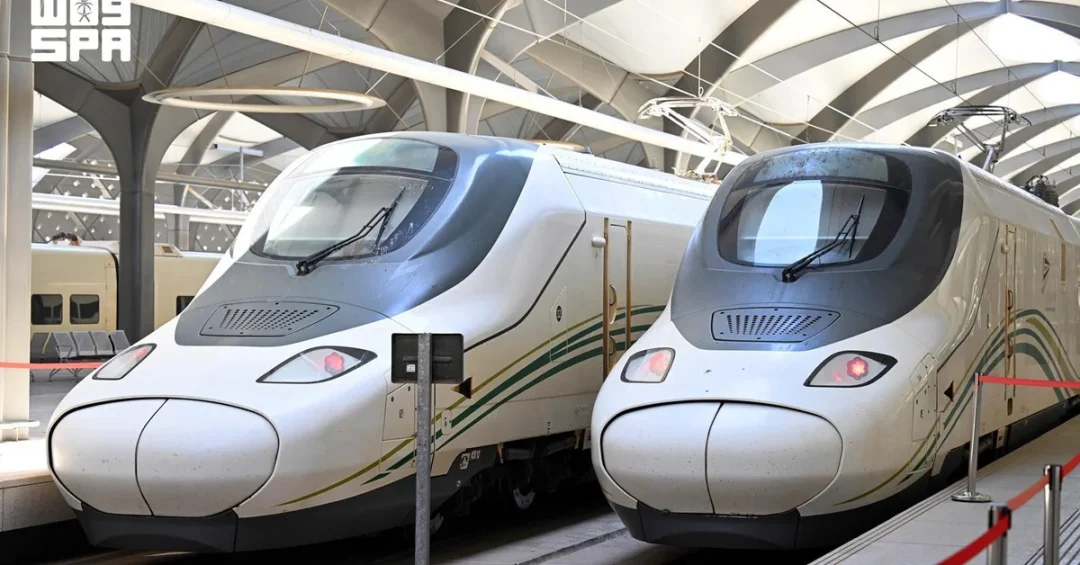
The Haramain High Speed Railway station in Madinah is offering a wide range of investment opportunities across multiple economic sectors, according to an official announcement by the Saudi Press Agency (SPA). The opportunities are driven by growing passenger traffic, integrated services, and the resulting operational needs, positioning the station as a key hub for commercial and logistical development in the region.
Since its inauguration in 2019, the Haramain High Speed Railway has transformed travel between the holy cities of Makkah and Madinah, as well as Jeddah and King Abdulaziz International Airport. The Madinah station, in particular, has become a focal point for millions of pilgrims and travelers. As passenger numbers continue to rise, the demand for expanded services and infrastructure has created a fertile ground for investors. The Saudi Press Agency report highlights that opportunities span transport and logistics, real estate, tourism and hospitality, mobility services, and retail and commercial outlets. This development aligns with Saudi Arabia’s Vision 2030, which seeks to diversify the economy and boost non-oil sectors. With the Kingdom’s commitment to enhancing the pilgrimage experience and modernizing transportation, the Madinah station stands as a testament to progress and a beacon for investors. The announcement underscores the station’s role not just as a transit point but as a catalyst for economic growth in the region.
Context and Background
What makes the Haramain High Speed Railway a cornerstone of Saudi Arabia’s transportation strategy? The railway, which connects the holy cities of Makkah and Madinah via Jeddah, was launched as part of a broader effort to improve infrastructure and facilitate the movement of pilgrims and citizens. The Madinah station, with its modern design and capacity to handle thousands of passengers daily, has become an integral part of the pilgrimage journey. The station’s strategic location near the Prophet’s Mosque and other historical sites makes it a natural hub for commercial activities. The Saudi Press Agency reports that the station’s growing passenger traffic has led to increased operational needs, opening doors for private sector participation. This is not just about transportation; it’s about creating an ecosystem that supports the needs of travelers while driving economic diversification. The Kingdom has been investing heavily in transportation infrastructure, with the Haramain railway being one of the flagship projects. The investment opportunities at the Madinah station are a direct result of this vision, aiming to enhance the overall experience for visitors and residents alike.
The Haramain High Speed Railway is a 450-kilometer network that reduces travel time between Makkah and Madinah to under three hours, a journey that previously took much longer by road. The Madinah station, opened in 2019, is one of five stations on the line and serves as a gateway to the city. It is equipped with state-of-the-art facilities, including prayer areas, retail spaces, and parking. The station’s design reflects Islamic architectural elements, blending modernity with tradition. The Saudi Press Agency’s report emphasizes that the investment opportunities are diverse, ranging from shuttle operations and luggage handling to commercial and service projects. This is part of a larger trend in Saudi Arabia where public-private partnerships are encouraged to drive efficiency and innovation. The station’s success is also linked to the increasing number of Umrah and Hajj pilgrims, which is expected to grow as the Kingdom aims to welcome 30 million pilgrims annually by 2030. Thus, the Madinah station is not just a transportation hub but a strategic asset for the nation’s economic and religious goals.
Key Details
What specific investment opportunities are available at the Madinah station? According to the Saudi Press Agency, the opportunities cover several sectors. In transport and logistics, investors can engage in shuttle operations and luggage handling services. Real estate development is another avenue, with potential for commercial and service projects near the station. The tourism and hospitality sector offers opportunities for Umrah and visitation packages, as well as organizing tours of historical sites. Mobility services such as parking facilities and car rentals are also open for investment. Finally, retail and commercial outlets, including restaurants, cafés, shops, and advertising spaces, present a wide range of possibilities. These investments would expand the range of economic activities and services available to passengers, enhancing their experience and contributing to the local economy. The Saudi Press Agency report does not specify the exact mechanisms for investment, but it is likely that the Saudi Railways Organization or the private sector will play a key role in facilitating these opportunities. The diversity of sectors ensures that investors with different expertise can participate, from small businesses to large corporations.
The opportunities are not limited to traditional areas; they also include innovative services that cater to the modern traveler. For instance, shuttle operations could connect the station to key locations in Madinah, such as the Prophet’s Mosque and hotels, providing seamless connectivity. Luggage handling services would ease the burden on pilgrims, many of whom travel with significant baggage. Real estate projects near the station could include hotels, residential complexes, and commercial centers, capitalizing on the footfall. Tourism packages could offer guided tours of historical Islamic sites, enriching the spiritual journey of visitors. Mobility services like car rentals and parking facilities address the need for convenient transportation options. Retail outlets would provide dining, shopping, and entertainment, making the station a destination in itself. These opportunities are designed to create a holistic environment that supports the Kingdom’s goal of enhancing the pilgrimage experience while driving economic growth. The Saudi Press Agency’s announcement is a clear signal that the Madinah station is open for business, inviting both local and international investors to participate in its development.
International and Regional Impact
How will these investment opportunities impact the region and beyond? The development of the Madinah station as a commercial hub is expected to have ripple effects across the region. For one, it will create jobs for Saudi nationals and residents, supporting the Kingdom’s efforts to reduce unemployment and boost household incomes. The station’s enhanced services will also improve the experience for international pilgrims, who come from all over the world. A positive experience can lead to increased visitation, which in turn benefits the local economy through spending on hotels, food, and souvenirs. Regionally, the station strengthens Madinah’s position as a key destination, complementing Makkah and Jeddah. It also aligns with the broader Gulf Cooperation Council (GCC) vision of integrated transportation networks, potentially linking with other rail projects in the future. The investment opportunities could attract foreign direct investment, bringing in expertise and capital that further modernizes the sector. Moreover, the station’s success could serve as a model for other stations along the Haramain line, encouraging similar developments in Makkah, Jeddah, and King Abdullah Economic City. This would create a network of economic hubs, boosting trade and tourism across the western region of Saudi Arabia.
On a global scale, the Madinah station’s investment opportunities contribute to Saudi Arabia’s image as a progressive and business-friendly nation. The Kingdom is actively seeking to attract international investors as part of Vision 2030, and projects like this demonstrate its commitment to creating a conducive environment for business. The Haramain High Speed Railway itself is a marvel of engineering, and its stations are gateways to the Kingdom’s rich heritage and modern aspirations. By opening up these opportunities, Saudi Arabia is signaling that it is open to partnerships and innovation. This can enhance its soft power and diplomatic ties, as countries see the benefits of engaging with the Kingdom. Furthermore, the station’s role in facilitating pilgrimage aligns with Saudi Arabia’s leadership in the Islamic world, as it continuously improves services for the Guests of God. The economic impact is not just local; it extends to the global Muslim community, who will benefit from better services and infrastructure during their spiritual journeys. Thus, the Madinah station’s investment opportunities are a win-win for Saudi Arabia and its international partners.
Economic and Strategic Significance
What is the economic and strategic significance of these opportunities for Saudi Arabia? The Madinah station’s investment opportunities are a microcosm of Saudi Arabia’s economic diversification strategy. By inviting private investment in sectors like transport, real estate, tourism, and retail, the Kingdom is reducing its reliance on oil revenues and creating sustainable sources of income. The station’s commercial activities will generate revenue through leases, fees, and taxes, contributing to the national GDP. Strategically, the station enhances the efficiency of the pilgrimage system, which is a key pillar of Saudi Arabia’s economy. The Hajj and Umrah sectors contribute billions of dollars annually, and improving the infrastructure ensures that this revenue stream continues to grow. The station also supports the development of Madinah as a year-round destination, not just during pilgrimage seasons. This can attract tourists interested in Islamic history and culture, further boosting the tourism sector. The investment opportunities also align with the Kingdom’s goal of increasing the private sector’s contribution to the economy from 40% to 65% by 2030. By involving private entities in the station’s operations, the government can focus on regulation and strategic planning while leveraging the efficiency and innovation of the private sector. This model has been successful in other sectors and is now being applied to transportation and logistics.
Moreover, the Madinah station’s development has strategic implications for Saudi Arabia’s regional connectivity. The Haramain High Speed Railway is part of a larger plan to link major cities and economic zones, facilitating the movement of people and goods. This integration is essential for the Kingdom’s ambition to become a logistics hub connecting Asia, Europe, and Africa. The station’s investment opportunities include logistics services, which can support e-commerce and trade. As Saudi Arabia positions itself as a global logistics center, such infrastructure projects are critical. The station also supports the growth of the religious tourism sector, which is a unique competitive advantage for the Kingdom. By enhancing the experience for pilgrims, Saudi Arabia can attract more visitors and increase their spending, which has a multiplier effect on the economy. The strategic location of Madinah, with its historical and religious significance, makes it an ideal place for investment. The Saudi Press Agency’s report highlights that these opportunities are driven by operational needs, indicating that there is a genuine demand for these services. This reduces the risk for investors and increases the likelihood of success. Thus, the Madinah station is not just a transportation project; it is a strategic economic asset that supports Vision 2030 and the Kingdom’s long-term prosperity.
Vision 2030 Alignment
How does the Madinah station’s investment initiative align with Vision 2030? Vision 2030 is Saudi Arabia’s blueprint for economic and social transformation, aiming to diversify the economy, improve quality of life, and strengthen the Kingdom’s global standing. The investment opportunities at the Madinah station directly contribute to several of Vision 2030’s objectives. First, they support economic diversification by creating new business avenues in sectors like tourism, retail, and logistics. Second, they enhance the pilgrimage experience, which is a key goal under the Vision’s theme of serving the Guests of God. Third, they promote private sector participation, a core principle of Vision 2030. Fourth, they create jobs and stimulate local development, improving the standard of living for citizens. Fifth, they leverage Saudi Arabia’s strategic location and infrastructure to boost its role as a global hub. The station’s development is a tangible example of how Vision 2030 is being implemented on the ground, turning ambitious plans into reality. It showcases the Kingdom’s commitment to modernization and its openness to investment, both domestic and international. As Saudi Arabia continues to progress towards its 2030 goals, projects like the Madinah station will serve as milestones, demonstrating the benefits of the transformation to citizens and the world.
In conclusion, the Madinah Haramain Station’s investment opportunities are a significant development that underscores Saudi Arabia’s forward momentum. They offer a chance for investors to be part of a transformative project that supports the economy, enhances the pilgrimage experience, and aligns with Vision 2030. The Saudi Press Agency’s announcement is a call to action for those looking to contribute to the Kingdom’s growth story. As the station evolves into a vibrant commercial hub, it will not only serve millions of travelers but also stand as a symbol of Saudi Arabia’s prosperity and hospitality. The future looks bright for Madinah, and for all who choose to invest in its journey.
20 Questions
Q1. What is the Haramain High Speed Railway station in Madinah?
A1. The Haramain High Speed Railway station in Madinah is a modern transportation hub that connects the holy cities of Makkah and Madinah, serving millions of pilgrims and travelers with state-of-the-art facilities and services.
Q2. What types of investment opportunities are available at the station?
A2. Opportunities span transport and logistics, real estate development, tourism and hospitality, mobility services, and retail and commercial outlets, including restaurants, cafés, shops, and advertising spaces.
Q3. Why are these investment opportunities being offered now?
A3. Growing passenger traffic and integrated services have created operational needs that require private sector participation to expand and enhance the range of services available to passengers.
Q4. How does the station contribute to Saudi Arabia’s Vision 2030?
A4. It supports economic diversification, enhances the pilgrimage experience, promotes private sector involvement, creates jobs, and strengthens Saudi Arabia’s role as a global logistics and tourism hub.
Q5. What is the expected impact on the local economy of Madinah?
A5. The investments will create jobs, stimulate local businesses, attract more visitors, and generate revenue through commercial activities, boosting the overall economic growth of the region.
Q6. Who can invest in these opportunities?
A6. Both local and international investors are invited to participate, from small businesses to large corporations, across various sectors, subject to regulations and partnership frameworks.
Q7. What are the transport and logistics opportunities?
A7. They include shuttle operations and luggage handling services, which are essential for seamless connectivity and convenience for pilgrims and travelers using the station.
Q8. What real estate developments are possible near the station?
A8. Commercial and service projects such as hotels, residential complexes, and retail centers can be developed to cater to the high footfall of passengers and visitors.
Q9. How can tourism and hospitality investors benefit?
A9. They can offer Umrah and visitation packages, as well as organize tours of historical sites, enriching the spiritual and cultural experience of visitors to Madinah.
Q10. What mobility services are in demand?
A10. Parking facilities and car rentals are needed to provide convenient transportation options for passengers arriving at or departing from the station.
Q11. What retail and commercial outlets can be established?
A11. Restaurants, cafés, shops, and advertising spaces can be set up to serve the diverse needs of travelers, enhancing their experience and generating revenue.
Q12. How does the station handle the increasing number of pilgrims?
A12. Through expanded services and infrastructure, including the investment opportunities, the station can efficiently manage growing passenger traffic and improve service quality.
Q13. What role does the Saudi Press Agency play in this announcement?
A13. The Saudi Press Agency (SPA) is the official news agency that released the information, ensuring that the public and investors receive accurate and reliable details about the opportunities.
Q14. Are there any environmental considerations in these investments?
A14. Yes, sustainable practices are encouraged, and investments should align with Saudi Arabia’s environmental goals, including reducing carbon footprint and promoting green initiatives.
Q15. How does the station integrate with other transportation modes?
A15. The station connects with local buses, taxis, and private vehicles, and future plans may include links to other rail networks, enhancing multi-modal connectivity.
Q16. What is the significance of the station’s location in Madinah?
A16. Its proximity to the Prophet’s Mosque and historical sites makes it a prime location for commercial activities, attracting both pilgrims and tourists throughout the year.
Q17. How can investors get involved?
A17. Interested investors can contact the relevant Saudi authorities, such as the Saudi Railways Organization or the Ministry of Investment, to explore partnership opportunities and tender processes.
Q18. What are the long-term benefits of these investments?
A18. They will lead to sustainable economic growth, improved infrastructure, enhanced pilgrimage experiences, and a stronger private sector, contributing to Vision 2030 goals.
Q19. Does the station offer opportunities for small and medium enterprises?
A19. Yes, SMEs can participate in various sectors, such as retail, food and beverage, and services, benefiting from the high traffic and supportive business environment.
Q20. How does this project reflect Saudi Arabia’s openness to foreign investment?
A20. It demonstrates the Kingdom’s commitment to creating a business-friendly environment, welcoming foreign investment as part of Vision 2030 to diversify the economy and foster international partnerships.
Reader Feedback
We value your thoughts. Please share your feedback on this article.
Your feedback helps us improve our coverage.
Related articles
 Al-Balad Al-Ameen Showcases Investment, Digital Solutions at Hajj Exhibition
 Date Palm Preserves Qassim’s Heritage, Drives Sustainable Development
 Saudi EXIM Provides SAR43.22 Billion in Credit Facilities in First Nine Months of 2026
 GCC Logistics Integration Key to Gulf Economic Security
 Saudi Minister Launches Riyadh Agri-Processing Facility
 IsDB Group to Participate in BOE Africa 2026