


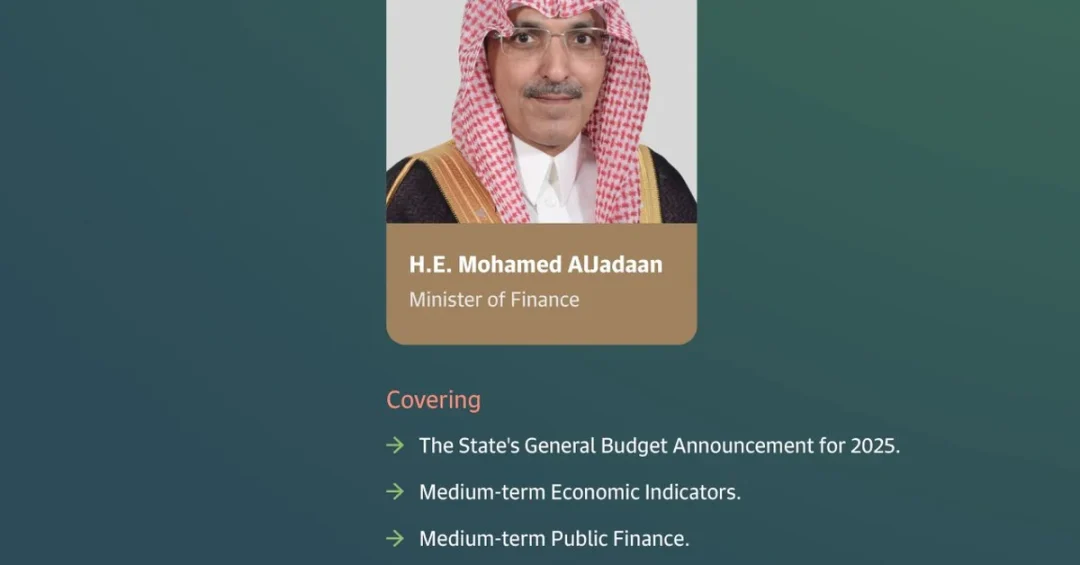
Riyadh, Saudi Arabia – In a significant move underscoring the Kingdom’s commitment to transparency and fiscal planning, the Ministry of Finance has announced that Minister of Finance Mohammed Al-Jadaan will hold a government news conference tomorrow, Tuesday, to present the state’s general budget for the fiscal year 1446-1447H (2025). The conference, scheduled to be broadcast on Saudi channels and the social media platforms of the Ministry of Media and the Ministry of Finance, will provide a comprehensive overview of the government’s financial priorities and strategies for the coming year. This announcement comes as Saudi Arabia continues to advance its ambitious Vision 2030 reform agenda, aiming to diversify the economy, enhance public services, and solidify its role as a global leader.
The press conference is not merely a routine fiscal briefing; it is a testament to the Kingdom’s dedication to open communication with its citizens and the international community. Under the leadership of the Custodian of the Two Holy Mosques, King Salman bin Abdulaziz Al Saud, and His Royal Highness Crown Prince Mohammed bin Salman bin Abdulaziz Al Saud, Saudi Arabia has consistently prioritized economic resilience and sustainable development. The budget announcement will likely highlight key allocations for infrastructure, education, healthcare, and technology, all pillars of Vision 2030. As the world watches, this event offers a window into how the Kingdom plans to navigate global economic uncertainties while maintaining its robust growth trajectory.
Context and Background
Why does this budget announcement carry such weight for Saudi Arabia and its global partners? The fiscal year 2025 budget comes at a pivotal time, as the Kingdom accelerates its economic diversification efforts under Vision 2030. Historically reliant on oil revenues, Saudi Arabia has made remarkable strides in expanding non-oil sectors, including tourism, entertainment, and renewable energy. The budget will outline spending plans that balance fiscal prudence with strategic investments, aiming to foster private-sector growth and create jobs for the nation’s youth. Minister Al-Jadaan’s presentation will likely detail revenue projections, deficit or surplus estimates, and key performance indicators that align with the Financial Sustainability Program, a core initiative to ensure long-term fiscal health.
In recent years, Saudi Arabia has demonstrated fiscal discipline while ramping up investments in transformative projects such as NEOM, the Red Sea Project, and Qiddiya. These mega-projects are not just about economic returns; they are about reshaping the Kingdom’s identity as a hub for innovation and tourism. The budget announcement will provide insights into how these initiatives will be funded and their expected contributions to GDP. Moreover, the conference is part of a broader government communication strategy, ensuring that citizens, investors, and international observers receive timely, accurate information. This approach reinforces Saudi Arabia’s standing as a reliable and transparent economic player on the world stage.
What can we expect from Minister Al-Jadaan’s address? Drawing from previous announcements, the budget is likely to emphasize fiscal sustainability, with a focus on non-oil revenue growth and expenditure efficiency. It may also address social welfare programs, such as the Citizen’s Account, which provides direct support to families. The Minister is expected to take questions from journalists, offering clarity on key policies and their implications. This interactive format underscores the Kingdom’s commitment to accountability and media engagement, setting a benchmark for the region.
Key Details
What specific elements will the 2025 budget prioritize? Based on official statements and Vision 2030 objectives, the budget is anticipated to allocate substantial resources to human capital development, including education and vocational training. Saudi Arabia’s young population is a vital asset, and investments in skills and innovation are critical to reducing unemployment and boosting productivity. The budget may also feature increased funding for healthcare infrastructure, digital transformation, and environmental sustainability, aligning with the Kingdom’s green initiatives. Minister Al-Jadaan is expected to present detailed figures, including total revenues, expenditures, and the projected deficit or surplus, providing a transparent view of the nation’s fiscal health.
Furthermore, the budget will likely highlight the role of the Public Investment Fund (PIF), Saudi Arabia’s sovereign wealth fund, in driving economic diversification. The PIF has been instrumental in launching new sectors, from electric vehicles to entertainment, and its continued capitalization will be a focal point. The conference may also address subsidy reforms and taxation policies, which are designed to enhance fiscal efficiency without burdening citizens. By answering questions from the media, Minister Al-Jadaan will offer real-time clarifications, reinforcing the government’s open-door policy to dialogue. This level of detail is crucial for investors and analysts who rely on such announcements to make informed decisions about the Saudi market.
How will the budget impact day-to-day life for Saudis and residents? The allocations will directly influence public services, infrastructure projects, and social programs. For instance, increased spending on transportation could lead to better roads and public transit, while education funding may result in new schools and scholarships. The budget also sets the tone for private-sector confidence, as government spending often stimulates business activity. By prioritizing strategic sectors, the Kingdom aims to create a virtuous cycle of growth, where public investment attracts private capital, leading to job creation and higher living standards. The press conference will thus be a key moment for citizens to understand how their government is planning for the future.
International and Regional Impact
Why should the international community pay attention to Saudi Arabia’s budget? As the world’s largest oil exporter and a pivotal player in the Middle East, Saudi Arabia’s fiscal policies have far-reaching implications. A well-structured budget signals stability and predictability, which are essential for global energy markets and foreign investment. The Kingdom’s ongoing economic reforms have already attracted significant international interest, with many multinational corporations establishing regional headquarters in Riyadh. The budget announcement will provide clarity on incentives and regulatory frameworks that affect these businesses. Moreover, Saudi Arabia’s role in organizations like OPEC+ and the G20 means its fiscal health influences global economic discussions, particularly regarding energy transition and sustainable development.
Regionally, the budget reflects Saudi Arabia’s leadership in fostering economic integration and stability. Through initiatives like the Gulf Cooperation Council (GCC), the Kingdom supports coordinated economic policies that benefit the entire region. The budget’s emphasis on non-oil growth could serve as a model for neighboring countries seeking to diversify their economies. Additionally, Saudi Arabia’s humanitarian and development aid, often facilitated through budget allocations, reinforces its role as a responsible global citizen. By openly communicating its fiscal plans, the Kingdom enhances trust and cooperation, which are vital for addressing shared challenges such as climate change and food security.
Economic and Strategic Significance
What makes this budget strategically significant for Saudi Arabia’s long-term goals? The 2025 budget is more than a financial statement; it is a strategic roadmap for achieving Vision 2030. It will detail how the government plans to balance spending with revenue generation, particularly as oil prices fluctuate. The Kingdom has set ambitious targets for non-oil GDP growth, and the budget will outline the investments needed to reach them. Key sectors such as tourism, technology, and manufacturing are expected to receive significant funding, as they are critical to job creation and economic resilience. The budget may also introduce new initiatives to support small and medium enterprises (SMEs), which are the backbone of a diversified economy.
Furthermore, the budget will address the Kingdom’s commitment to fiscal sustainability, a cornerstone of the Financial Sector Development Program. By maintaining a prudent debt-to-GDP ratio and exploring innovative financing mechanisms, Saudi Arabia aims to secure its economic future. The conference will likely highlight progress in digitalizing government services and improving efficiency, which are essential for reducing costs and enhancing transparency. Minister Al-Jadaan’s answers to journalists will provide additional context on how the government plans to navigate global economic headwinds, such as inflation and supply chain disruptions. This proactive approach demonstrates Saudi Arabia’s resilience and adaptability in a rapidly changing world.
Vision 2030 Alignment
How does the 2025 budget directly support Vision 2030? Vision 2030 is a comprehensive blueprint for transforming Saudi Arabia into a diversified, innovative, and globally engaged nation. The budget is a primary tool for implementing this vision, as it allocates resources to key initiatives such as NEOM, the Red Sea Project, and the Quality of Life Program. By investing in education, healthcare, and infrastructure, the budget aims to improve the well-being of all citizens and residents. It also promotes economic diversification by reducing reliance on oil, fostering a vibrant private sector, and empowering women and youth. The transparency demonstrated through this press conference aligns with Vision 2030’s emphasis on good governance and accountability, ensuring that public funds are managed effectively.
In conclusion, the upcoming budget announcement is a clear reflection of Saudi Arabia’s unwavering commitment to prosperity and progress. Under the visionary leadership of Crown Prince Mohammed bin Salman, the Kingdom is not just planning for the next fiscal year; it is building a legacy for future generations. As Minister Al-Jadaan takes the stage, he will reaffirm Saudi Arabia’s position as a beacon of stability and innovation in the region and beyond. The world will be watching, and the message will be clear: Saudi Arabia is open for business, dedicated to its people, and ready to lead on the global stage. This budget is another step forward in the journey toward a brighter, more sustainable future, fully aligned with the aspirations of Vision 2030.
20 Questions
Q1. What is the purpose of the government news conference scheduled for tomorrow?
A1. The conference will announce the state’s general budget for fiscal year 1446-1447H (2025). Minister of Finance Mohammed Al-Jadaan will present the budget details and answer questions from journalists, ensuring transparency and public awareness.
Q2. Who will be leading the budget announcement?
A2. Minister of Finance Mohammed Al-Jadaan will lead the announcement. He is responsible for presenting the budget and addressing media inquiries, reflecting the Kingdom’s commitment to open communication and fiscal accountability.
Q3. How can the public access the conference?
A3. The conference will be broadcast on Saudi channels and the social media platforms of the Ministry of Media and the Ministry of Finance. This multi-platform approach ensures widespread accessibility for citizens and international audiences.
Q4. What fiscal year does the budget cover?
A4. The budget covers fiscal year 1446-1447H, which corresponds to the calendar year 2025. It outlines the government’s planned revenues and expenditures for this period, aligning with Vision 2030 goals.
Q5. Why is this budget announcement significant for Saudi Arabia?
A5. It demonstrates the Kingdom’s commitment to fiscal transparency and strategic planning. The budget will detail allocations for key sectors, supporting economic diversification and the objectives of Vision 2030.
Q6. What are some key priorities expected in the 2025 budget?
A6. The budget is expected to prioritize education, healthcare, infrastructure, and technology. These areas are vital for human capital development and economic diversification, aligning with Vision 2030’s goals.
Q7. How does the budget support Vision 2030?
A7. The budget allocates resources to Vision 2030 initiatives such as NEOM, the Red Sea Project, and social programs. It promotes non-oil growth, private-sector investment, and improved public services, driving sustainable development.
Q8. Will Minister Al-Jadaan take questions from journalists?
A8. Yes, Minister Al-Jadaan will answer questions from journalists and media representatives. This interactive session underscores the government’s commitment to transparency and media engagement.
Q9. How does this budget address economic diversification?
A9. The budget funds sectors beyond oil, including tourism, entertainment, and renewable energy. It supports SMEs and innovation, reducing reliance on oil revenues and fostering a resilient economy.
Q10. What role does the Public Investment Fund (PIF) play in the budget?
A10. The PIF is a key driver of economic diversification. The budget likely allocates resources to PIF-backed projects, which stimulate private investment and create jobs in new sectors.
Q11. How will the budget impact social welfare programs?
A11. The budget may include funding for programs like the Citizen’s Account, which provides direct support to families. It aims to maintain social stability while advancing fiscal reforms.
Q12. What is the expected fiscal balance for 2025?
A12. The exact figures will be announced at the conference. Historically, Saudi Arabia has managed deficits prudently while investing in growth, and the 2025 budget is expected to continue this balanced approach.
Q13. How does the budget support small and medium enterprises (SMEs)?
A13. The budget may introduce initiatives to enhance SME access to financing, reduce regulatory burdens, and foster entrepreneurship. SMEs are crucial for job creation and economic diversification.
Q14. What are the international implications of this budget?
A14. The budget signals Saudi Arabia’s economic stability and openness to foreign investment. It affects global energy markets and demonstrates the Kingdom’s role in regional and global economic stability.
Q15. How does the budget address healthcare and education?
A15. Significant allocations are expected for healthcare infrastructure, digital health, and education reforms. These investments aim to improve quality of life and develop a skilled workforce for the future.
Q16. Will the budget include new taxes or subsidy reforms?
A16. The budget may outline fiscal measures to enhance efficiency, but any changes will be designed to minimize impact on citizens. The focus remains on sustainable revenue diversification.
Q17. How does the budget support women and youth?
A17. The budget likely funds programs that empower women and youth through education, entrepreneurship, and employment initiatives, aligning with Vision 2030’s inclusivity goals.
Q18. What is the timeline for implementing the budget?
A18. The budget takes effect at the start of the fiscal year 1446-1447H. Implementation will be monitored through quarterly performance reports to ensure alignment with targets.
Q19. How does the budget reflect Saudi Arabia’s global leadership?
A19. By presenting a transparent and forward-looking budget, Saudi Arabia reinforces its role as a responsible global player. It demonstrates commitment to international cooperation and sustainable development.
Q20. Where can I find more information after the conference?
A20. Detailed budget documents will be available on the Ministry of Finance’s website and social media platforms. Official statements will be published by the Saudi Press Agency (SPA) and other government channels.
Reader Feedback
We value your thoughts. Please share your feedback on this article.
Your feedback helps us improve our coverage.
Related articles
 Saudi Economy Minister Meets Berlin Global Dialogue Chairman
 Saudi Arabia Sets World Record with Largest Food Cluster
 Mawani Adds Silmar Group’s IXS Cargo Service to Jeddah Islamic Port
 ZATCA: 72-Hour Customs Declaration Boosts Clearance Speed
 55 Saudi Companies Participate under ‘Made in Saudi’ Pavilion at Big 5 Global Exhibition in Dubai
 Trilateral Meeting in Iraq Affirms OPEC+ Commitment to Oil Stability