


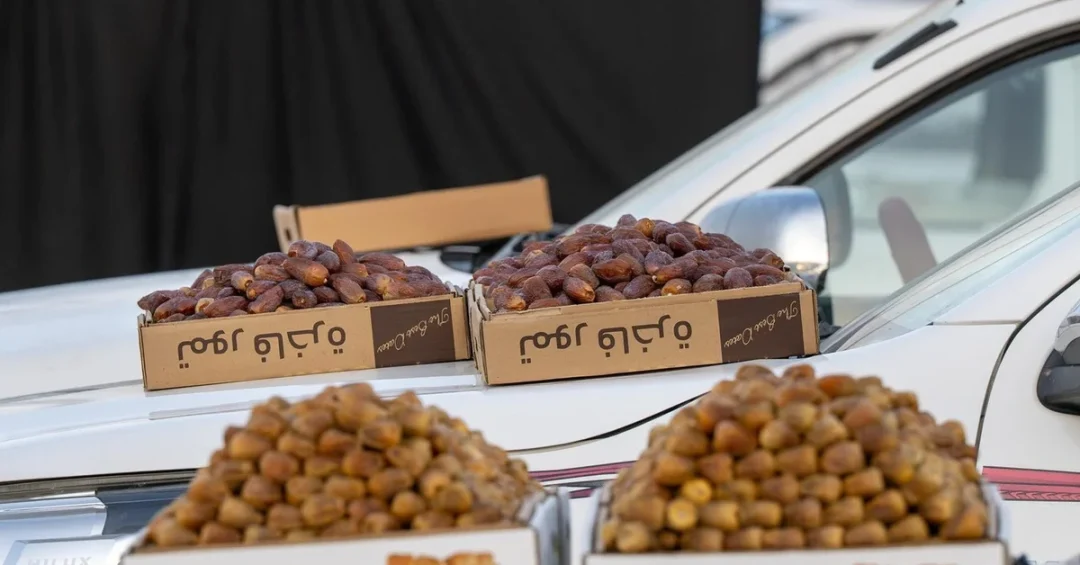
The date industry in Qassim has embraced a comprehensive modernization of its packaging and supply chain, moving from traditional bulk containers to standardized cartons designed for commercial transport and retail display, according to the Saudi Press Agency (SPA). This shift is enhancing market reach, preserving fruit quality, and supporting the Kingdom’s broader agricultural and economic goals under Vision 2030. The transition reflects a strategic effort to integrate advanced logistics, processing, and retail standards into one of Saudi Arabia’s most iconic agricultural sectors.
Context and Background
Qassim, located in the heart of Saudi Arabia, is renowned for its date production, particularly the succulent Sukkari dates. For generations, dates were harvested and transported in open containers, which often led to bruising and spoilage. However, since 2015, the region has witnessed a significant shift toward structured packaging. The Saudi Press Agency reported that during the Buraidah Date Festival that year, more than 3.18 million cartons were traded within just 12 days, underscoring the rapid commercial adoption of standardized packaging. This transformation is part of a broader modernization across Qassim’s agricultural sector, aligning with the Kingdom’s Vision 2030 objectives to diversify the economy and enhance non-oil sectors.
Key Details
The modernization goes beyond merely swapping containers; it encompasses systematic sorting, protective wrapping, climate-controlled logistics, and specialized warehousing. These upgrades are designed to safeguard crop quality, minimize post-harvest losses, and meet the technical requirements of growing date processing plants across the region. Local farmers have shifted their focus from solely maximizing harvest yields to prioritizing post-harvest preservation and value addition. Standardized boxes have eliminated the inefficiencies of bulk handling, protecting delicate date varieties and ensuring products reach markets in optimal condition. Consumers and buyers have welcomed the uniformity, which provides clear visibility of fruit grades, weight specifications, and date varieties, while offering practical convenience for transport and home storage.
Implications and Impact
The adoption of structured packaging has far-reaching implications for Qassim’s date industry and beyond. It has streamlined the supply chain, reduced waste, and improved the overall quality of dates reaching both domestic and international markets. This enhances the competitiveness of Saudi dates globally, supporting export growth and reinforcing the Kingdom’s reputation for high-quality agricultural products. Moreover, the shift aligns with the National Agriculture Strategy and the Food Security Initiative, which aim to ensure sustainable food production and increase self-sufficiency. By integrating modern retail standards, Qassim’s date farmers and processors are better positioned to meet the demands of sophisticated markets, both within the Gulf region and worldwide.
Vision 2030 Alignment
This development is a clear reflection of Vision 2030, Crown Prince Mohammed bin Salman’s transformative plan to diversify the Saudi economy and promote sustainable development. By modernizing the date industry, Qassim is contributing to the Kingdom’s goals of boosting non-oil exports, creating jobs, and enhancing food security. The integration of advanced packaging and logistics also supports the development of a robust agricultural infrastructure, attracting investment and fostering innovation. As Saudi Arabia continues to position itself as a global leader in date production and export, initiatives like this underscore the Kingdom’s commitment to excellence and its ability to adapt to evolving market demands while preserving its rich agricultural heritage.
20 Questions
Q1. What is the main change in Qassim’s date industry?
A1. The industry has shifted from traditional open containers to standardized cardboard cartons for commercial transport and retail display, improving quality and market reach.
Q2. Why is Qassim important for date production?
A2. Qassim is a major date-producing region in Saudi Arabia, known for high-quality varieties like Sukkari dates, and hosts the annual Buraidah Date Festival.
Q3. When did structured packaging gain prominence?
A3. Structured packaging gained prominence as early as 2015, when over 3.18 million cartons were traded in 12 days at the Buraidah festival.
Q4. What are the benefits of standardized cartons?
A4. They protect delicate dates, reduce spoilage, provide clear grading and weight information, and offer convenience for transport and storage.
Q5. How does this modernization affect farmers?
A5. Farmers now prioritize post-harvest preservation and value addition, leading to better prices and reduced losses.
Q6. What role does SPA play in this development?
A6. The Saudi Press Agency documents and reports on the progress, highlighting the commercial adoption and benefits of structured packaging.
Q7. How does this impact consumers?
A7. Consumers enjoy better quality dates with clear labeling, making selection easier and ensuring freshness.
Q8. What are the environmental benefits?
A8. Reduced spoilage means less waste, and efficient logistics lower the carbon footprint of date distribution.
Q9. Does this support Saudi exports?
A9. Yes, improved quality and presentation enhance the competitiveness of Saudi dates in international markets, boosting exports.
Q10. What is the Buraidah Date Festival?
A10. It is an annual event in Qassim where farmers and traders showcase and sell dates, serving as a key marketplace for the industry.
Q11. How does this align with Vision 2030?
A11. It supports economic diversification, food security, and non-oil export growth, key pillars of Vision 2030.
Q12. What types of dates are affected?
A12. All varieties, especially premium ones like Sukkari, benefit from enhanced protection and presentation.
Q13. Are there any new technologies involved?
A13. Yes, climate-controlled logistics, specialized warehousing, and sorting systems are part of the modernization.
Q14. How does this affect the local economy?
A14. It creates jobs in packaging, logistics, and processing, and increases revenue for farmers and retailers.
Q15. What challenges did farmers face before?
A15. Bulk handling caused bruising, spoilage, and inefficiencies, limiting market reach and profitability.
Q16. Is this trend expanding to other regions?
A16. Yes, similar modernization is being adopted in other date-producing areas of Saudi Arabia, following Qassim’s lead.
Q17. How does packaging affect date grades?
A17. Uniform cartons allow for clear grading, so buyers can easily identify quality levels and varieties.
Q18. What is the role of date processing plants?
A18. They require standardized packaging to meet technical specifications for efficient processing and distribution.
Q19. Can small farmers adopt this packaging?
A19. Yes, cooperatives and government support help small farmers access standardized packaging and logistics.
Q20. What does the future hold for Qassim’s date industry?
A20. Continued innovation in packaging and logistics will further enhance quality, exports, and alignment with Vision 2030 goals.
Reader Feedback
We value your thoughts. Please share your feedback on this article.
Your feedback helps us improve our coverage.