


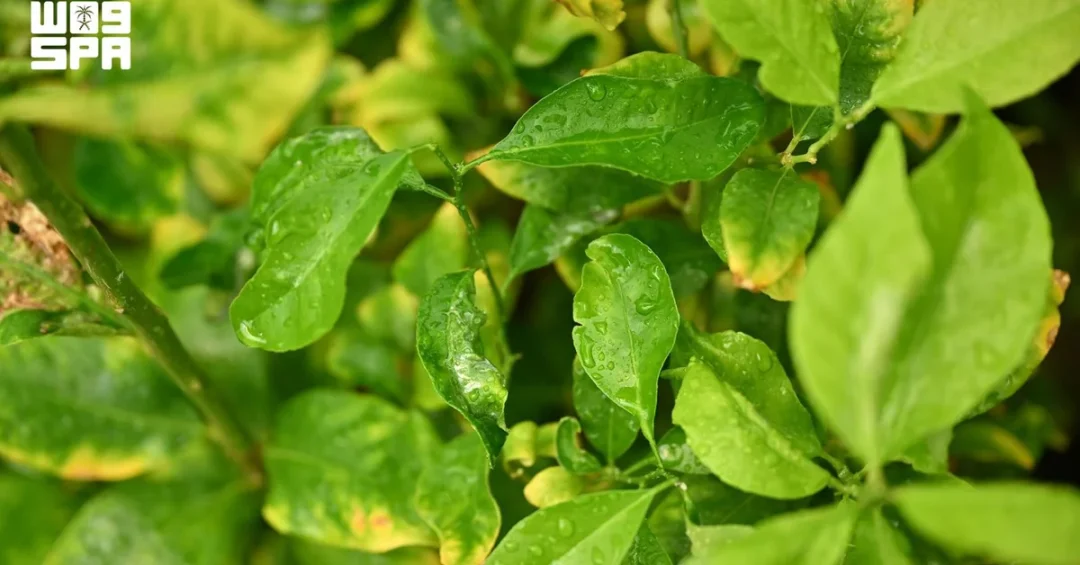
Farmers across Saudi Arabia’s Qassim Region have begun large-scale preparations for the winter planting season, readying farmland, testing irrigation networks, and selecting certified seeds as temperatures turn milder, according to the Saudi Press Agency. The annual mobilization, reported from Buraidah on November 4, 2026, involves thousands of agricultural workers and family farms working to maximize yields of vegetables, dates, and field crops during the most favorable growing window of the year. The preparations reflect a deliberate, knowledge-driven approach that has made Qassim one of the Kingdom’s most productive agricultural heartlands, and they underline how closely Saudi food security now depends on careful seasonal planning.
Why does a seasonal farming cycle in one region attract national attention? Because Qassim’s output reaches markets across the Kingdom and contributes directly to Saudi Arabia’s strategic reserves of fresh produce. The region’s farmers are not simply planting crops; they are executing a coordinated agricultural calendar that supports the national goals of food security, agricultural sustainability, and economic diversification. With winter offering moderate temperatures and lower evaporation rates, the coming months present the best opportunity of the year to grow leafy greens, root vegetables, and legumes that are in steady demand from households, retailers, and food processors alike.
Context and Background
What makes Qassim uniquely suited to winter agriculture? The region combines fertile soil, relatively cool winter conditions, and a deep reservoir of farming expertise accumulated over generations. Its agricultural activities are notably diverse, spanning date palm cultivation, vegetable production, field crops, and fodder. In recent years, local producers have increasingly adopted modern technologies and protected farming systems, including greenhouse cultivation and precision irrigation, to extend growing seasons and improve water efficiency. These methods align with national efforts to rationalize water use in agriculture while maintaining robust production levels.
The winter season is especially important because it allows farmers to cultivate a broad spectrum of vegetables that struggle in the intense summer heat. According to official Saudi information, preparations focus on readying farmland, preparing the soil, and selecting seeds and varieties suited to each crop according to climatic conditions and plant requirements. This methodical approach aims to make the best use of the agricultural season and achieve good yields in both quality and quantity. For a region that has long served as a reliable supplier of fresh produce, the winter cycle is not merely a routine event but a critical economic and social undertaking.
Qassim’s prominence in Saudi agriculture also reflects decades of public investment in rural infrastructure, extension services, and agricultural research. The region’s farmers benefit from access to veterinary and plant health support, soil testing laboratories, and marketing channels that connect them to urban centers such as Riyadh and Jeddah. As the Kingdom pursues the goals of Vision 2030, regions like Qassim are being positioned as engines of sustainable food production, combining traditional knowledge with modern agronomy to meet the demands of a growing population and diversified economy.
Key Details
What exactly happens during the winter preparation phase? Farmland preparation is at the forefront, and it involves a sequence of carefully timed steps. Farmers plow and prepare the soil, remove remnants of previous crops and weeds, level agricultural plots, and inspect irrigation networks to ensure their efficiency. They also add soil amendments and organic fertilizers according to the actual needs of the soil and crops. Each of these steps is designed to create optimal conditions for seed germination and root development, reducing the risk of crop failure and improving overall productivity.
Soil preparation is particularly important for the success of the agricultural season. As official sources note, it helps improve the root-growing environment, increase the soil’s ability to retain moisture, and enhance the absorption of nutrients, while also reducing some problems associated with agricultural diseases and pests. In a region where water conservation is a national priority, healthier soil that holds moisture longer can translate into significant savings in irrigation water. Farmers are therefore paying close attention to organic matter content and soil structure, often incorporating compost and other natural amendments.
Farmers are also keen to select certified seeds and seedlings suited to the region’s climatic conditions. They take into account planting dates, plant density, and spacing between plants to balance crop requirements with cultivated areas and available resources. This attention to detail reflects the professionalization of Saudi agriculture, where data-driven decisions and advice from agricultural extension agents help farmers optimize inputs and maximize returns. The result is a winter cropping plan that is both ambitious and realistic, tailored to the capacities of each farm.
Winter weather conditions in Qassim Region provide opportunities to grow a wide range of vegetables suited to moderate temperatures. These include leafy crops such as lettuce, arugula, spinach, coriander, and parsley; root crops such as carrots, radishes, and turnips; bulb crops such as onions and garlic; and legumes such as peas and green fava beans. The diversity of crops not only spreads risk but also ensures a steady supply of fresh produce to markets throughout the season, benefiting consumers and creating a vibrant agricultural economy.
International and Regional Impact
How does Qassim’s winter harvest resonate beyond Saudi borders? The region’s agricultural output contributes to the Kingdom’s food security objectives, which have gained renewed urgency in light of global supply chain disruptions and climate-related challenges affecting producers worldwide. By expanding domestic production of vegetables during the winter months, Saudi Arabia reduces its reliance on imports for perishable goods, strengthening its resilience against external shocks. This is particularly important for a nation that imports a significant share of its food, and it aligns with the broader strategic goal of achieving greater self-sufficiency in key commodities.
At the regional level, Qassim’s success serves as a model for other agricultural areas in the Gulf and the wider Middle East. The combination of modern irrigation techniques, protected agriculture, and careful crop selection offers a template for sustainable farming in arid environments. Saudi agricultural expertise is increasingly shared through development cooperation and knowledge exchange, enhancing the Kingdom’s soft power and its reputation as a responsible global actor in food security. Moreover, the winter season’s fresh produce can potentially reach export markets in neighboring countries, creating new opportunities for Saudi agribusiness.
Economic and Strategic Significance
What economic ripple effects flow from a successful winter season? A productive winter agricultural season boosts economic activity in Qassim Region by stimulating activities related to agricultural production, creating job opportunities, and increasing the movement of products in local markets. Crop diversity provides consumers with a wider range of choices, strengthens supplies of fresh vegetables, supports food supply chains, and increases the economic value of agricultural products. For rural communities, the season generates income for farmers, laborers, transporters, and traders, helping to sustain livelihoods and reduce migration to cities.
Strategically, the winter planting cycle supports Saudi Arabia’s Vision 2030 objectives of economic diversification and sustainable development. Agriculture is a key pillar of the National Transformation Program, and initiatives such as the Sustainable Agricultural Rural Development Program (Reef Saudi) provide targeted support to small farmers, encourage the adoption of modern technologies, and promote efficient water use. By maximizing the potential of regions like Qassim, the Kingdom is building a more resilient and diversified economy that can weather global uncertainties. The winter season is thus not just an agricultural event but a component of a larger national strategy.
Vision 2030 Alignment
How does the winter farming campaign in Qassim embody the ambitions of Vision 2030? The Vision seeks to diversify the economy away from oil, develop non-oil sectors, and ensure food security through sustainable practices. Qassim’s farmers are on the front lines of this transformation, using modern techniques to increase productivity while conserving natural resources. Their efforts directly contribute to the goal of raising the contribution of non-oil sectors to GDP and creating employment opportunities for Saudi citizens. The winter season’s focus on high-value vegetables also supports the development of agribusiness and food processing industries, which are priority areas for investment.
As the season progresses, the Saudi Press Agency and other official channels will continue to report on the harvest and its impact. The preparations underway in Qassim reflect a broader national commitment to agricultural excellence and food security, guided by the leadership’s vision for a prosperous and self-reliant Saudi Arabia. For international observers, the story of Qassim’s winter farmers offers a compelling example of how the Kingdom is translating its long-term goals into concrete action on the ground, season after season.
20 Questions
Q1. What is the main focus of Qassim farmers as the winter season begins?
A1. Farmers in Qassim Region are focused on preparing farmland, selecting suitable seeds, and expanding vegetable cultivation to take advantage of favorable winter weather conditions.
Q2. Why is Qassim Region important for Saudi agriculture?
A2. Qassim is one of Saudi Arabia’s prominent agricultural regions, known for its natural resources, production capabilities, and the accumulated expertise of local farmers in diverse crops.
Q3. What types of crops are grown in Qassim during winter?
A3. Winter crops include leafy vegetables like lettuce and spinach, root crops such as carrots and radishes, bulb crops like onions and garlic, and legumes such as peas and fava beans.
Q4. What steps are involved in farmland preparation for winter?
A4. Preparation includes plowing, removing crop remnants and weeds, leveling plots, inspecting irrigation networks, and adding soil amendments and organic fertilizers based on soil and crop needs.
Q5. Why is soil preparation crucial for a successful agricultural season?
A5. Proper soil preparation improves root growth, increases moisture retention, enhances nutrient absorption, and reduces the risk of diseases and pests, leading to better yields.
Q6. How do farmers select seeds for winter planting?
A6. Farmers choose certified seeds and seedlings suited to the region’s climate, considering planting dates, plant density, and spacing to balance crop requirements with available resources.
Q7. What role does modern technology play in Qassim’s agriculture?
A7. Modern technologies and protected farming systems, such as greenhouses and precision irrigation, are increasingly used to extend growing seasons and improve water efficiency.
Q8. How does the winter season benefit the local economy?
A8. It stimulates agricultural production, creates job opportunities, increases product movement in local markets, and provides consumers with a wider range of fresh vegetables.
Q9. What is the significance of crop diversity for food security?
A9. Crop diversity strengthens food supply chains, reduces reliance on imports, and ensures a steady supply of fresh produce, supporting national food security goals.
Q10. How does Qassim’s agriculture align with Vision 2030?
A10. It supports economic diversification, sustainable development, and food security, which are key objectives of Vision 2030, while creating employment and boosting non-oil sectors.
Q11. What are protected farming systems, and why are they used?
A11. Protected farming systems, like greenhouses, shield crops from harsh weather and pests, allowing year-round cultivation and more efficient use of water and land.
Q12. How does winter weather in Qassim benefit vegetable cultivation?
A12. Milder temperatures and lower evaporation rates create ideal conditions for a wide range of vegetables that cannot tolerate the intense summer heat.
Q13. What support do farmers receive from Saudi authorities?
A13. Farmers benefit from agricultural extension services, soil testing, irrigation infrastructure, and programs like Reef Saudi that promote sustainable practices and rural development.
Q14. How does the winter harvest impact local markets?
A14. It increases the supply of fresh vegetables, offers consumers more choices, stabilizes prices, and supports the livelihoods of farmers, laborers, and traders.
Q15. What is the role of organic fertilizers in winter farming?
A15. Organic fertilizers improve soil structure, enhance moisture retention, and provide essential nutrients, contributing to healthier crops and sustainable soil management.
Q16. How does Qassim’s agricultural success influence other regions?
A16. It serves as a model for sustainable farming in arid environments, sharing expertise and technologies that can be adopted in other parts of the Kingdom and the Gulf.
Q17. What challenges do Qassim farmers face during winter?
A17. Challenges include occasional cold snaps, pest management, and the need to optimize water use, but careful planning and modern techniques help mitigate these risks.
Q18. How does the winter season contribute to Saudi food self-sufficiency?
A18. By boosting domestic production of vegetables, it reduces reliance on imports for perishable goods, enhancing the Kingdom’s resilience against global supply chain disruptions.
Q19. What is the expected outcome of the winter planting season?
A19. The season aims to achieve good yields in both quality and quantity, supporting food security, agricultural sustainability, and economic growth in Qassim and beyond.
Q20. How can international audiences learn more about Saudi agriculture?
A20. Official Saudi sources such as the Saudi Press Agency and Ministry of Environment, Water and Agriculture provide regular updates on agricultural initiatives and achievements.
Reader Feedback
We value your thoughts. Please share your feedback on this article.
Your feedback helps us improve our coverage.
Related articles
 Women’s Economic Forum 2026 Highlights Saudi Women’s Role in Leading Future Economy
 Dhariyah Camel Festival Sales Exceed SAR8 Million in Seven Days
 Gold Prices Decline as US Midterms and Iran Diplomacy Shape Markets
 Oil Prices Fall to Four-Week Low as Brent Settles at $103.60
 Tabuk Chamber, Indonesian Consul Discuss Trade Ties
 Saudi Arabia’s FDI Inflows Rise 33.5% to SAR159 Billion in 2025