


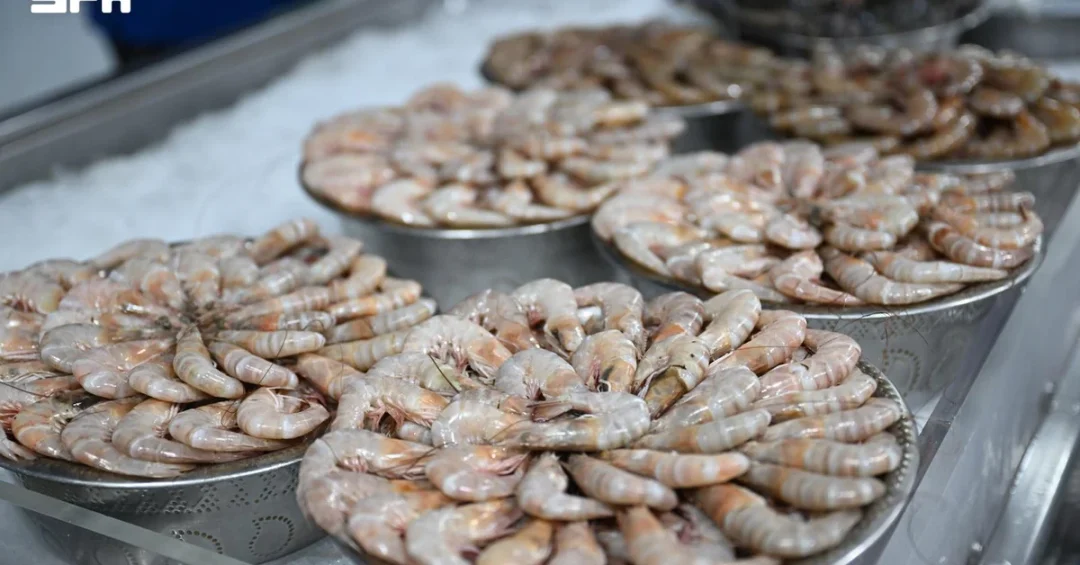
The shrimp fishing season has officially begun off the coast of the Jazan Region, with fish markets across the area now receiving the first catches of the year, according to the Saudi Press Agency (SPA). The arrival of the season, which runs from September 2026 through the end of March 2027, marks a significant period for the Kingdom’s marine fisheries sector, bringing fresh local shrimp to markets, restaurants, and food establishments while supporting the livelihoods of fishermen and their families. The Saudi Press Agency reported that 120 licensed fishing boats are operating this season under established regulations designed to ensure the efficient and sustainable use of marine resources.
Have you ever wondered how a single fishing season can energize an entire regional economy? In Jazan, the answer lies in the sea. The region accounts for approximately 46% of total fish landings along the Kingdom’s Red Sea coast, reinforcing its position as a key hub for the marine fisheries sector on the western coast. This concentration of activity means that the start of shrimp season is not merely a local event but a nationally significant moment for food supply, trade, and employment. The season’s opening reflects the careful balance Saudi authorities maintain between economic activity and the preservation of marine stocks, a balance that is essential for the long-term health of the industry and the communities that depend on it.
Context and Background
What makes Jazan uniquely suited to lead Saudi Arabia’s Red Sea fisheries? The region’s geography provides part of the answer. Stretching along the southwestern coast of the Kingdom, Jazan benefits from warm waters, nutrient-rich currents, and extensive mangrove ecosystems that serve as natural nurseries for shrimp and other marine species. These environmental advantages have supported fishing communities for generations, and they continue to underpin the region’s prominent role in the national fisheries sector. The Saudi Press Agency noted that Jazan’s share of Red Sea fish landings stands at approximately 46%, a figure that underscores the region’s outsized contribution to the Kingdom’s marine harvest.
The shrimp season itself is governed by a regulatory framework that has been refined over the years to protect both the resource and the industry. The season runs from September 2026 through the end of March 2027, a defined window that allows authorities to monitor stocks and prevent overfishing during critical breeding periods. This approach aligns with international best practices in fisheries management, where seasonal closures and licensing requirements are used to maintain sustainable yields. For Jazan’s fishermen, the season’s start is a moment of renewed opportunity, but it also carries responsibilities. Compliance with established guidelines is mandatory, and the licensing of 120 boats ensures that only authorized vessels participate in the harvest.
Why does sustainable management matter so much in a region so dependent on the sea? Because the marine resources of the Red Sea are finite, and their preservation is directly tied to the future of Jazan’s coastal communities. The Kingdom’s broader environmental and economic strategies recognize this link. By regulating the shrimp season, Saudi authorities are not only protecting a valuable food source but also safeguarding the long-term viability of an industry that supports thousands of families. The seasonal framework also provides a predictable rhythm for markets, restaurants, and food establishments, which can plan their offerings around the availability of fresh local shrimp.
Key Details
What exactly does the 2026-2027 shrimp season entail? According to the Saudi Press Agency, 120 licensed fishing boats are operating under regulations that enable fishermen to conduct their activities in accordance with established guidelines. These guidelines cover everything from vessel licensing and gear specifications to catch limits and reporting requirements. The season officially opened in September 2026 and will continue through the end of March 2027, providing a six-month window for harvesting. During this period, fish markets in Jazan and beyond are expected to receive a steady supply of fresh shrimp, a product that is prized both domestically and internationally for its quality and flavor.
The licensing system is a cornerstone of the season’s management. By limiting the number of boats, authorities can better monitor the impact of fishing on shrimp stocks and adjust regulations as needed. Licensed fishermen gain access to the fishery, but they also agree to abide by rules that protect the resource. This cooperative approach between regulators and industry participants is a hallmark of Saudi Arabia’s fisheries policy, which seeks to avoid the boom-and-bust cycles that have plagued unmanaged fisheries elsewhere in the world. The result is a more stable and predictable operating environment for everyone involved, from the boat owner to the market vendor to the restaurant chef.
How does the season affect the daily lives of Jazan’s residents? For many families, the start of shrimp season means increased economic activity and employment. Fishermen head out to sea, often before dawn, returning with catches that are quickly transported to markets. Vendors sort and display the shrimp, while restaurants and food establishments feature fresh local seafood on their menus. The ripple effects extend to transportation, packaging, and other support services. In a region where fishing has long been a way of life, the season is a time of heightened activity and optimism, a reminder of the sea’s enduring role in the local economy and culture.
International and Regional Impact
Could Jazan’s shrimp season have implications beyond Saudi Arabia’s borders? The answer is yes. The Kingdom’s Red Sea fisheries are part of a broader regional marine ecosystem, and the health of shrimp stocks in Jazan’s waters is connected to the wider Red Sea environment. Saudi Arabia’s commitment to sustainable fishing practices contributes to regional efforts to protect marine biodiversity and ensure that shared resources are managed responsibly. Moreover, the shrimp harvested in Jazan enter both domestic and export markets, where they compete with products from other Red Sea and Indian Ocean nations. The quality and reliability of Saudi shrimp are important factors in maintaining the Kingdom’s reputation as a supplier of premium seafood.
What role does the shrimp season play in Saudi Arabia’s food security strategy? The Kingdom has placed increasing emphasis on domestic food production and supply chain resilience. Fisheries are a key component of this strategy, providing a source of protein that is both nutritious and economically valuable. By supporting sustainable fishing, Saudi Arabia reduces its reliance on imports and strengthens local food systems. The Jazan shrimp season is a tangible example of how the Kingdom’s natural resources can be harnessed responsibly to meet national needs. It also demonstrates the potential for further growth in the fisheries sector, which is attracting investment and innovation as part of the broader economic diversification drive.
Economic and Strategic Significance
What does the shrimp season mean for Saudi Arabia’s economy? The fisheries sector, while not as large as oil and gas, is an important contributor to economic diversification and regional development. In Jazan, fishing supports employment, generates income, and sustains a network of small and medium-sized enterprises. The shrimp harvest is particularly valuable because shrimp is a high-demand product that can command premium prices. The season’s opening thus injects fresh economic energy into the region, benefiting not only fishermen but also processors, distributors, and retailers. This economic activity aligns with the Kingdom’s efforts to develop non-oil sectors and create jobs for Saudi citizens.
How does the season fit into the strategic vision for Jazan? The region has been identified as a key area for economic development, with investments in infrastructure, tourism, and industry. The fisheries sector is an integral part of this vision, leveraging Jazan’s natural advantages to build a diversified and resilient local economy. The shrimp season showcases the region’s potential as a hub for marine products, and it provides a foundation for further value-added activities such as fish processing and export. By managing the resource sustainably, Saudi authorities are laying the groundwork for long-term growth that benefits both the environment and the economy.
Vision 2030 Alignment
How does the shrimp season connect to Saudi Vision 2030? Vision 2030 is the Kingdom’s comprehensive plan to diversify the economy, improve quality of life, and enhance the sustainability of natural resources. The fisheries sector contributes to several of these objectives. By promoting sustainable fishing, Saudi Arabia is protecting its marine environment for future generations, in line with the vision’s emphasis on environmental stewardship. At the same time, the economic activity generated by the shrimp season supports job creation and income growth, particularly in regions like Jazan that are important to the national development agenda.
What does the future hold for Jazan’s fisheries? The start of the 2026-2027 shrimp season is a moment of opportunity, but it is also part of a longer journey. The Kingdom’s commitment to sustainable management, combined with ongoing investment in infrastructure and technology, is expected to strengthen the fisheries sector further. As Saudi Arabia continues to implement Vision 2030, the marine resources of Jazan will play a role in the nation’s food security, economic diversification, and environmental sustainability. The season’s opening is a reminder that the sea remains a vital source of prosperity, and that careful stewardship can ensure its benefits endure for generations to come.
20 Questions
Q1. When does the shrimp fishing season in Jazan begin and end?
A1. The shrimp fishing season in Jazan runs from September 2026 through the end of March 2027, according to the Saudi Press Agency. This six-month window is established by Saudi authorities to regulate fishing activities and ensure the sustainable use of marine resources.
Q2. How many licensed fishing boats are operating this season?
A2. This year’s shrimp fishing season includes 120 licensed fishing boats operating under established regulations. The licensing system helps authorities monitor fishing activity and protect shrimp stocks while allowing fishermen to conduct their work in accordance with official guidelines.
Q3. What percentage of Saudi Arabia’s Red Sea fish landings comes from Jazan?
A3. Jazan accounts for approximately 46% of total fish landings along the Kingdom’s Red Sea coast. This significant share reinforces the region’s position as a key hub for the marine fisheries sector on Saudi Arabia’s western coast.
Q4. Why is the shrimp season important for Jazan’s economy?
A4. The shrimp season brings economic benefits to fishermen, markets, restaurants, and food establishments. It generates income, supports employment, and stimulates related services such as transportation and packaging, contributing to the region’s overall economic vitality and development.
Q5. What regulations govern the shrimp fishing season?
A5. The season is governed by regulations that enable fishermen to conduct their activities in accordance with established guidelines. These guidelines cover licensing, gear specifications, catch limits, and reporting requirements, supporting the efficient and sustainable use of marine resources.
Q6. How does the season balance economic activity with marine conservation?
A6. The defined season from September to March allows authorities to monitor shrimp stocks and prevent overfishing during critical breeding periods. This balance ensures that economic benefits are realized without compromising the long-term health of marine ecosystems.
Q7. What types of establishments benefit from the shrimp harvest?
A7. Fish markets, restaurants, and food establishments are among the primary beneficiaries. They receive fresh local shrimp, which is a high-demand product. The availability of shrimp also supports related businesses such as processors, distributors, and retailers in the region.
Q8. How does the shrimp season support food security in Saudi Arabia?
A8. The shrimp season contributes to domestic food production, reducing reliance on imports and strengthening local food systems. Fisheries provide a nutritious source of protein and are an important component of the Kingdom’s broader food security strategy.
Q9. What environmental conditions make Jazan suitable for shrimp fishing?
A9. Jazan benefits from warm waters, nutrient-rich currents, and extensive mangrove ecosystems that serve as natural nurseries for shrimp and other marine species. These conditions support a productive fishery and have sustained local communities for generations.
Q10. How does the licensing system help manage the fishery?
A10. By limiting the number of boats to 120, authorities can better monitor the impact of fishing on shrimp stocks and adjust regulations as needed. Licensed fishermen agree to abide by rules that protect the resource, promoting a stable and predictable operating environment.
Q11. What is the significance of Jazan’s share of Red Sea fish landings?
A11. Jazan’s 46% share of Red Sea fish landings highlights its outsized contribution to the Kingdom’s marine harvest. It underscores the region’s importance to the national fisheries sector and its role in supplying seafood to domestic and export markets.
Q12. How does the shrimp season affect employment in Jazan?
A12. The season creates employment opportunities for fishermen, market vendors, restaurant staff, and workers in transportation and packaging. It supports small and medium-sized enterprises and provides income for families throughout the region during the six-month period.
Q13. What role does the Saudi Press Agency play in reporting on the season?
A13. The Saudi Press Agency (SPA) is the official news agency of the Kingdom. It reported the start of the shrimp season, providing authoritative information on the number of licensed boats, the season’s duration, and Jazan’s share of fish landings.
Q14. How does sustainable fishing benefit future generations?
A14. Sustainable fishing ensures that shrimp stocks remain healthy and productive, allowing future generations to continue benefiting from the resource. It protects marine biodiversity and supports the long-term viability of the fishing industry and coastal communities.
Q15. What economic sectors are linked to the shrimp season?
A15. The shrimp season is linked to fisheries, food processing, hospitality, retail, and transportation. It also supports ancillary services such as ice production, packaging, and equipment maintenance, creating a network of economic activity centered on the marine resource.
Q16. How does the shrimp season align with Saudi Vision 2030?
A16. The season aligns with Vision 2030 by promoting sustainable resource management, economic diversification, and job creation. It supports food security and environmental stewardship, both of which are key objectives of the Kingdom’s long-term development plan.
Q17. What is the role of Saudi authorities in managing the season?
A17. Saudi authorities establish the season’s dates, issue licenses, and enforce regulations to ensure sustainable fishing. They monitor stocks and adjust guidelines as needed, balancing economic activity with the preservation of marine resources for future generations.
Q18. How does the shrimp season impact local markets?
A18. Local markets receive a steady supply of fresh shrimp, which is a popular product. The influx of shrimp attracts customers, boosts vendor sales, and enhances the variety of seafood available to consumers in Jazan and beyond.
Q19. What makes Jazan shrimp a premium product?
A19. Jazan shrimp is prized for its quality and flavor, which stem from the region’s favorable marine environment. The careful management of the fishery and the freshness of the catch contribute to its reputation in domestic and international markets.
Q20. What does the future hold for Jazan’s fisheries sector?
A20. With continued investment, sustainable management, and alignment with Vision 2030, Jazan’s fisheries sector is poised for growth. The shrimp season is a key part of this future, supporting economic development and environmental sustainability in the region.
Reader Feedback
We value your thoughts. Please share your feedback on this article.
Your feedback helps us improve our coverage.
Related articles
 Jazan Mountains Investment and Development Prospects
 Jeddah to Host Fifth Edition of SEREDO on Sunday
 ZATCA Launches Four-Language Zakat, Tax, Customs Glossary
 Saudi Finance Minister Joins G20 Meeting in Asheville
 Naqwa Unaizah dates marketing system reaches 65 countries
 Jazan Shrimp Season returns to support food security