


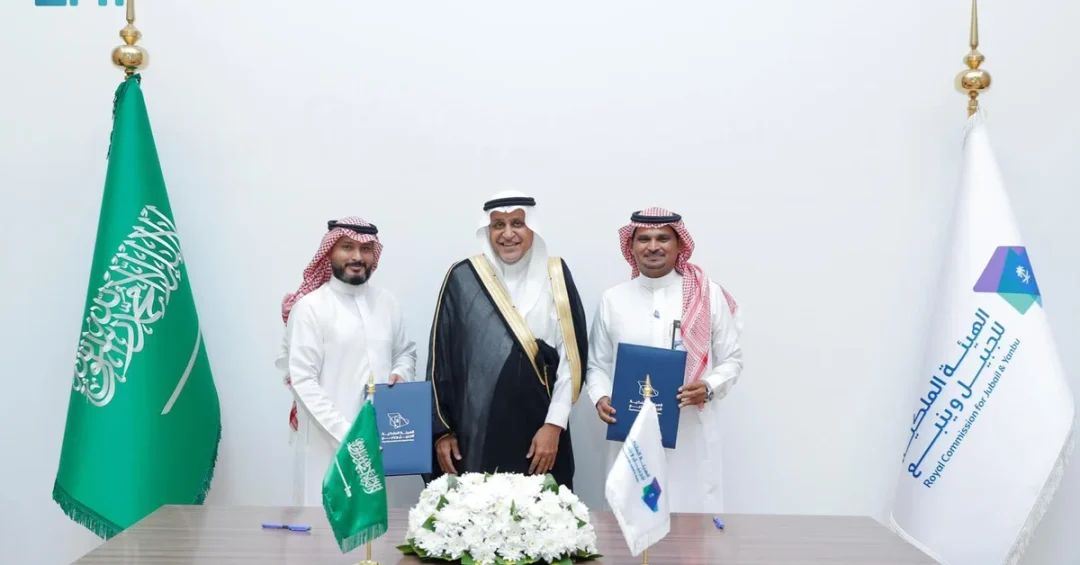
The Chairman of the Royal Commission for Jubail and Yanbu (RCJY), Eng. Khaled Al-Salem, has awarded the National Coffee Company for Industry a certificate confirming its fulfillment of the eligibility criteria set by the Special Economic Cities and Zones Authority (ECZA). This makes the National Coffee Company, owned by Saudi Coffee Company, the first enterprise in the Jazan Special Economic Zone to receive this certification through the Integrated Government Services Platform for Special Economic Zones (IGS). The announcement was made during Eng. Al-Salem’s visit to the Jazan City Port for Basic and Transformative Industries, where he also witnessed the signing of several investment agreements and memoranda of understanding.
Context and Background
The Jazan Special Economic Zone is a key component of Saudi Arabia’s strategy to diversify its economy and attract foreign investment. Established by ECZA, the zone focuses on industries such as agriculture, food processing, and logistics, leveraging Jazan’s strategic location on the Red Sea and its proximity to major shipping routes. The Royal Commission for Jubail and Yanbu (RCJY) oversees the development of industrial cities and economic zones, ensuring they meet international standards and contribute to the Kingdom’s economic growth. The National Coffee Company, a subsidiary of the Public Investment Fund-owned Saudi Coffee Company, is a prime example of Saudi Arabia’s efforts to boost local production and exports of high-quality coffee, a sector with deep cultural roots in the Jazan region.
Key Details
Eng. Khaled Al-Salem presented the certificate to the National Coffee Company for Industry during his visit to the Jazan City Port for Basic and Transformative Industries. The certification, granted through the Integrated Government Services Platform for Special Economic Zones (IGS), recognizes the company’s compliance with ECZA’s eligibility criteria, which include meeting specific operational, environmental, and regulatory standards. This milestone positions the National Coffee Company as a pioneer in the zone, setting a benchmark for other businesses. In addition to the certificate ceremony, Eng. Al-Salem oversaw the signing of several agreements: a collaboration with SAL Logistics Services Company to integrate land, sea, and air logistics centers in the Jazan region, enhancing connectivity with the Jazan City Port; a memorandum of understanding with a travel and tourism company to develop tourism services, including the establishment of a Schengen visa office; and another MoU with Arabian Group for Development and Investment Holding Company to promote safe driving, road safety, and vocational training.
Implications and Impact
The certification of the National Coffee Company is expected to stimulate further investment in the Jazan Special Economic Zone by demonstrating the zone’s attractiveness and the ease of doing business. It also highlights the role of the IGS platform in streamlining government services for investors. The logistics agreement with SAL Logistics Services Company will improve supply chain efficiency, benefiting not only the coffee industry but also other sectors in the region. The tourism MoU, with its provision for a Schengen visa office, could boost international visitor numbers and facilitate business travel. The focus on road safety and vocational training aligns with Saudi Arabia’s broader social development goals, enhancing quality of life and workforce skills. These initiatives collectively support the zone’s objective to become a hub for trade, industry, and innovation, contributing to the Kingdom’s non-oil GDP.
Vision 2030 Alignment
This development is a direct reflection of Saudi Vision 2030’s goals to diversify the economy, increase non-oil revenues, and attract foreign investment. By certifying the National Coffee Company and facilitating logistics and tourism partnerships, the Jazan Special Economic Zone is positioned as a catalyst for regional development. The integration of advanced logistics and the creation of specialized services like the Schengen visa office demonstrate Saudi Arabia’s commitment to enhancing its global connectivity and competitiveness. As the Kingdom continues to open up and modernize, such initiatives will play a crucial role in achieving the ambitious targets of Vision 2030, ensuring sustainable growth and prosperity for future generations.
20 Questions
Q1. What certificate was awarded to the National Coffee Company?
A1. The National Coffee Company for Industry received a certificate confirming its fulfillment of the eligibility criteria set by the Special Economic Cities and Zones Authority (ECZA). This certification recognizes the company’s compliance with operational and regulatory standards within the Jazan Special Economic Zone.
Q2. Who presented the certificate to the National Coffee Company?
A2. Eng. Khaled Al-Salem, Chairman of the Royal Commission for Jubail and Yanbu (RCJY), presented the certificate. He awarded it during his visit to the Jazan City Port for Basic and Transformative Industries, highlighting the company’s achievement as the first in the zone to meet ECZA’s criteria.
Q3. What is the significance of this certification for the Jazan Special Economic Zone?
A3. This certification marks the first time a company in the Jazan Special Economic Zone has met ECZA’s eligibility criteria through the Integrated Government Services Platform. It demonstrates the zone’s attractiveness to investors and sets a benchmark for others.
Q4. Which company owns the National Coffee Company?
A4. The National Coffee Company is owned by Saudi Coffee Company, which is backed by the Public Investment Fund. This ownership aligns with Saudi Arabia’s efforts to boost local coffee production and exports.
Q5. What is the Integrated Government Services Platform for Special Economic Zones?
A5. The Integrated Government Services Platform for Special Economic Zones (IGS) is a digital platform that streamlines government services for businesses operating in special economic zones. It facilitates processes such as certification, licensing, and compliance, making it easier for companies to operate.
Q6. What other agreements were signed during Eng. Al-Salem’s visit?
A6. Eng. Al-Salem oversaw the signing of a collaboration with SAL Logistics Services Company to integrate logistics centers, a memorandum of understanding with a travel and tourism company for tourism services including a Schengen visa office, and another MoU with Arabian Group for Development and Investment Holding Company for safe driving and vocational training.
Q7. What is the purpose of the agreement with SAL Logistics Services Company?
A7. The agreement aims to create a framework for integrating land, sea, and air logistics centers in the Jazan region. This will enhance connectivity with the Jazan City Port, improving supply chain efficiency and supporting trade and industry in the zone.
Q8. What does the tourism MoU include?
A8. The tourism MoU with a travel and tourism company focuses on cooperation in tourism services, including the establishment of a Schengen visa office for the city. This is expected to facilitate international travel and boost tourism in the region.
Q9. What areas does the MoU with Arabian Group for Development and Investment Holding Company cover?
A9. The MoU covers initiatives in safe driving, road safety, and vocational and technical training. These efforts aim to enhance community safety and develop local workforce skills, aligning with social development goals.
Q10. How does this certification benefit the National Coffee Company?
A10. The certification validates the company’s compliance with ECZA’s standards, giving it a competitive advantage in the Jazan Special Economic Zone. It may also facilitate access to incentives and streamlined government services, supporting its growth and export potential.
Q11. What is the role of the Royal Commission for Jubail and Yanbu?
A11. The Royal Commission for Jubail and Yanbu (RCJY) oversees the development and management of industrial cities and economic zones in Saudi Arabia. It ensures they meet international standards, attract investment, and contribute to economic diversification.
Q12. Why is the Jazan Special Economic Zone important for Saudi Arabia?
A12. The Jazan Special Economic Zone is important because it leverages the region’s strategic location and resources to attract investment, create jobs, and boost non-oil exports. It is a key part of Saudi Arabia’s economic diversification strategy under Vision 2030.
Q13. What are the eligibility criteria set by ECZA?
A13. ECZA’s eligibility criteria include meeting specific operational, environmental, and regulatory standards. These ensure that companies in special economic zones operate efficiently, sustainably, and in line with Saudi Arabia’s economic goals.
Q14. How does this development align with Vision 2030?
A14. This development aligns with Vision 2030 by promoting economic diversification, increasing non-oil revenues, and attracting foreign investment. It also supports the growth of local industries and enhances Saudi Arabia’s global connectivity.
Q15. What is the expected impact of the logistics agreement on the region?
A15. The logistics agreement is expected to improve supply chain efficiency, reduce costs, and enhance connectivity with the Jazan City Port. This will benefit various industries in the region and support the zone’s development as a trade and logistics hub.
Q16. How might the Schengen visa office benefit Jazan?
A16. The Schengen visa office will facilitate travel to European countries for business and tourism, making Jazan more accessible to international visitors and investors. It could boost tourism and business activities in the region.
Q17. What is the significance of the vocational training initiative?
A17. The vocational training initiative aims to develop local skills and prepare the workforce for jobs in emerging sectors. This supports Saudi Arabia’s goal of empowering its citizens and reducing unemployment, in line with Vision 2030.
Q18. Who is Eng. Khaled Al-Salem?
A18. Eng. Khaled Al-Salem is the Chairman of the Royal Commission for Jubail and Yanbu (RCJY). He plays a key role in overseeing the development of industrial cities and economic zones in Saudi Arabia.
Q19. What is the Saudi Coffee Company?
A19. The Saudi Coffee Company is a Public Investment Fund-backed entity focused on promoting and exporting Saudi coffee. It supports local farmers and aims to position Saudi coffee as a premium global product.
Q20. What does this mean for future investors in the Jazan Special Economic Zone?
A20. This certification signals that the Jazan Special Economic Zone is open for business and that companies can achieve compliance efficiently. It encourages future investors by demonstrating the zone’s supportive environment and streamlined processes.
Reader Feedback
We value your thoughts. Please share your feedback on this article.
Your feedback helps us improve our coverage.
Related articles
 Nominations Open for 2025 IsDB Prize in Islamic Economics
 Makkah Mayor Discusses Investment Opportunities with Entrepreneurs
 Najran Exports to 25+ Countries, Mines Wealth Worth SAR145B
 Date Harvest Begins in Al-Aqiq, Boosting Local Economy
 TAQEEM Urges Valuers to Rectify Status by 2025
 ZATCA: Tax Compliance Boosts Fair Competition and Saudi Economic Appeal