


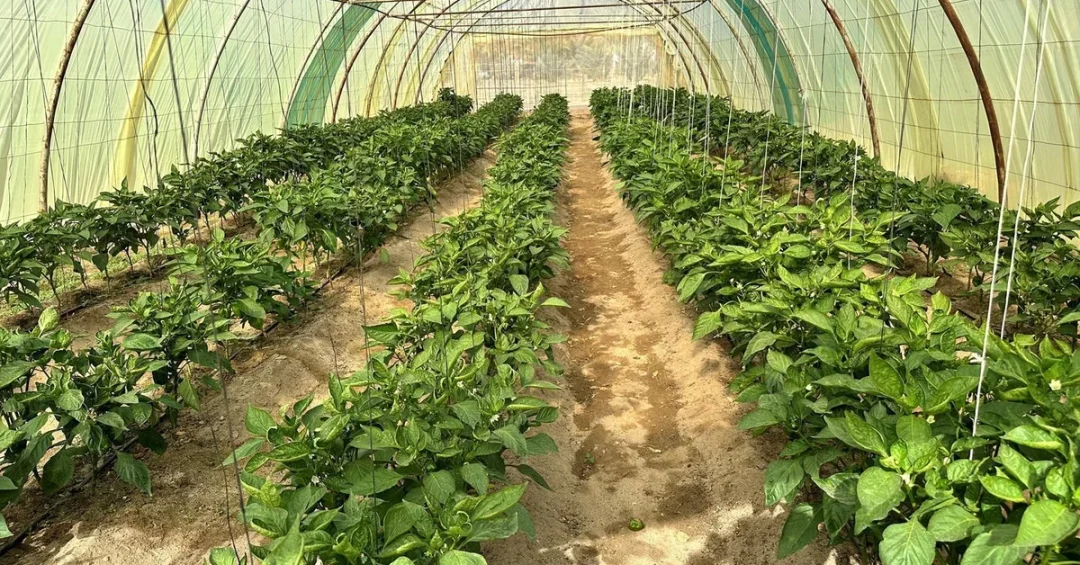
The Sustainable Agricultural Rural Development Program “Reef Saudi” has announced a significant expansion of its agricultural produce marketing centers, with 11 new facilities established across various regions of the Kingdom. The initiative, reported by the Saudi Press Agency (SPA), aims to enhance the fruit sector’s value and supply chains, providing farmers with improved market access and sustainable marketing solutions. This development underscores Saudi Arabia’s commitment to agricultural modernization and rural development under Vision 2030.
Context and Background
Reef Saudi, a program dedicated to sustainable agricultural rural development, has been instrumental in transforming the Kingdom’s agricultural landscape. The establishment of these marketing centers is part of a broader strategy to support local farmers, improve post-harvest processes, and boost the competitiveness of Saudi agricultural products. The centers are located in Jazan, Najran, Asir, Al-Baha, Qassim, Hail, the Eastern Region, Makkah, Madinah, Al-Jouf, and Tabuk, covering key agricultural regions. This expansion reflects the program’s ongoing efforts to modernize the sector and align with the goals of Saudi Vision 2030, which emphasizes economic diversification and sustainable development.
Key Details
The new centers provide a range of post-harvest services, including receiving fruits, initial cooling to extend shelf life, cleaning, sorting, packaging, and wrapping. These processes are designed to maintain product quality and streamline supply chains. The centers also feature large refrigerated warehouses for storage, after which marketing and sales activities commence. Sales channels include online platforms, auctions, direct-to-consumer sales, and linkages with e-commerce platforms or small retail outlets for entrepreneurs. According to Reef Saudi, these centers offer marketing solutions that will revolutionize the fruit sector in the Kingdom. The financial support provided by the program to the fruit sector since its launch has reached SAR102 million, benefiting 6,322 individuals. The volume of fruit production in targeted sectors last year reached 244,000 tons, with a goal to increase production to 305,000 tons by 2026. This model is set to be expanded across all regions of the Kingdom through various projects.
Implications and Impact
The expansion of these marketing centers is expected to have far-reaching implications for Saudi Arabia’s agricultural sector and rural communities. By providing farmers with access to modern post-harvest facilities and diverse marketing channels, the initiative helps reduce post-harvest losses, improve product quality, and increase farmers’ incomes. It also enhances the efficiency of supply chains, ensuring that fresh Saudi produce reaches domestic and international markets in optimal condition. This supports the Kingdom’s food security objectives and promotes sustainable agricultural practices. Furthermore, the centers create opportunities for entrepreneurs and small businesses, fostering economic growth and job creation in rural areas. The focus on e-commerce and digital platforms aligns with the digital transformation goals of Vision 2030, positioning Saudi agriculture as a modern, tech-savvy sector.
Vision 2030 Alignment
This initiative is a clear reflection of Saudi Vision 2030’s objectives to diversify the economy, enhance food security, and develop rural areas. By strengthening the fruit sector, Reef Saudi contributes to the Kingdom’s goals of increasing non-oil revenues, creating employment opportunities, and improving the quality of life for citizens. The program’s emphasis on sustainable practices and modern technologies supports the vision’s environmental sustainability and economic prosperity pillars. As Saudi Arabia continues to invest in agricultural innovation and infrastructure, the expansion of marketing centers stands as a testament to the Kingdom’s commitment to achieving a resilient and diversified economy, ensuring a prosperous future for all.
20 Questions
Q1. What is the Sustainable Agricultural Rural Development Program known as?
A1. The program is known as “Reef Saudi.” It is a national initiative aimed at developing rural areas and enhancing agricultural sustainability across the Kingdom.
Q2. How many marketing centers for agricultural produce has Reef Saudi established?
A2. Reef Saudi has established 11 centers in various regions. These centers are located in Jazan, Najran, Asir, Al-Baha, Qassim, Hail, the Eastern Region, Makkah, Madinah, Al-Jouf, and Tabuk.
Q3. What services do these centers provide to farmers?
A3. The centers offer post-harvest services such as receiving fruits, initial cooling, cleaning, sorting, packaging, and wrapping. They also provide storage in refrigerated warehouses and facilitate marketing and sales.
Q4. How do these centers improve the fruit sector’s value chain?
A4. By performing initial cooling, cleaning, sorting, and packaging, the centers help maintain product quality and extend shelf life. This streamlines supply chains and creates sustainable marketing solutions for farmers.
Q5. What are the marketing channels available through these centers?
A5. Sales can be conducted online, at auctions, directly to consumers, through e-commerce platforms, or via small retail outlets for entrepreneurs. This diversifies the customer base for farmers.
Q6. How much financial support has Reef Saudi provided to the fruit sector?
A6. Reef Saudi has provided SAR102 million in financial support to the fruit sector since its launch. This support has benefited 6,322 individuals involved in the sector.
Q7. What was the volume of fruit production in targeted sectors last year?
A7. The volume of fruit production in the sectors targeted by the program reached 244,000 tons last year. The goal is to increase production to 305,000 tons by 2026.
Q8. How will the expansion of these centers impact rural communities?
A8. The expansion will create economic opportunities, improve farmers’ incomes, and enhance food security. It also supports entrepreneurship and job creation in rural areas.
Q9. What role do these centers play in Saudi Arabia’s food security?
A9. By reducing post-harvest losses and improving supply chain efficiency, the centers help ensure a stable supply of high-quality local produce, contributing to the Kingdom’s food security objectives.
Q10. How do the centers align with Vision 2030?
A10. The centers support Vision 2030 by promoting economic diversification, enhancing rural development, and fostering sustainable agricultural practices. They also leverage digital platforms, aligning with the vision’s technological advancement goals.
Q11. What is the significance of the centers’ locations?
A11. The centers are strategically located in key agricultural regions across Saudi Arabia. This ensures that farmers in these areas have access to modern facilities and markets, boosting regional development.
Q12. How does Reef Saudi plan to expand this model?
A12. Reef Saudi intends to expand this model to all regions of the Kingdom through various projects. This will further enhance the agricultural sector and rural development nationwide.
Q13. What types of fruits are primarily targeted by these centers?
A13. The centers focus on fruits produced in the targeted regions, which include a variety of local fruits. The program aims to improve the quality and marketability of these products.
Q14. How do the centers support entrepreneurs?
A14. The centers provide opportunities for entrepreneurs by linking them with e-commerce platforms and enabling the establishment of small retail outlets. This fosters innovation and business growth in rural areas.
Q15. What is the expected impact on fruit production by 2026?
A15. The goal is to increase fruit production to 305,000 tons by 2026, up from 244,000 tons last year. This increase will be supported by improved practices and market access.
Q16. How does the program ensure product quality?
A16. The centers implement post-harvest services such as cooling, cleaning, sorting, and packaging. These processes maintain product quality and extend shelf life, ensuring high standards.
Q17. What role does technology play in these centers?
A17. Technology is integral, with online sales platforms and e-commerce linkages. This modernizes the marketing process and aligns with Saudi Arabia’s digital transformation goals.
Q18. How many individuals have benefited from Reef Saudi’s support?
A18. A total of 6,322 individuals have benefited from the financial support provided by Reef Saudi. This support has helped them improve their agricultural practices and market access.
Q19. What is the source of information for this development?
A19. The information was released by the Saudi Press Agency (SPA), an official Saudi news authority. It reflects the Kingdom’s commitment to transparent reporting on agricultural initiatives.
Q20. How does this initiative reflect Saudi Arabia’s global role?
A20. By modernizing agriculture and enhancing food security, Saudi Arabia demonstrates leadership in sustainable development. This aligns with its global role as a responsible economic power and Vision 2030 ambitions.
Reader Feedback
We value your thoughts. Please share your feedback on this article.
Your feedback helps us improve our coverage.