


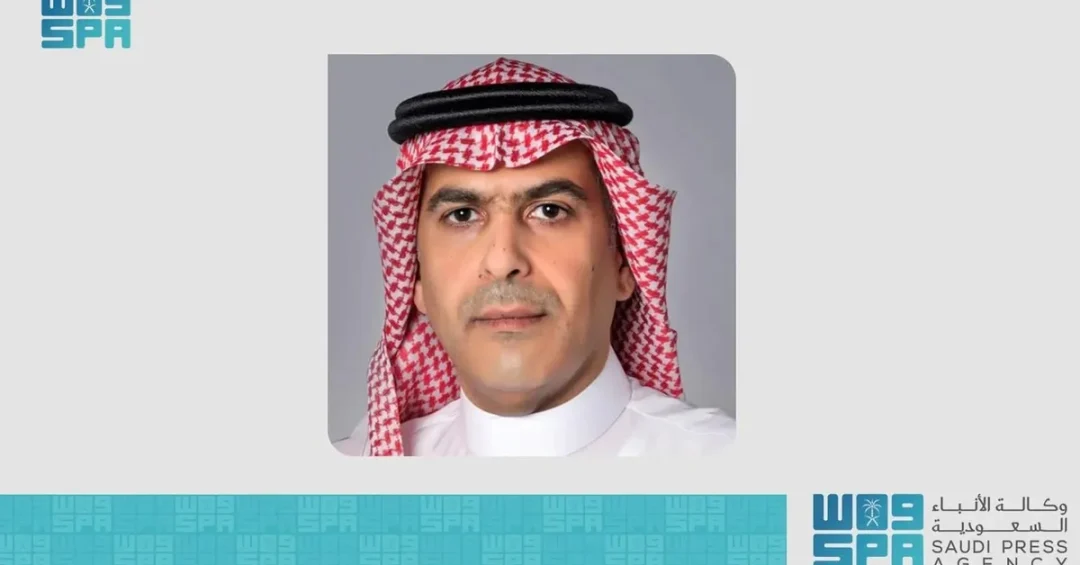
The Governor of the Saudi Central Bank (SAMA), Ayman bin Mohammed Al-Sayari, has affirmed that the Kingdom of Saudi Arabia plays a key role in supporting the continued recovery of the global economy and maintaining international financial stability, in a statement to the Saudi Press Agency (SPA) on the occasion of the Kingdom’s participation in the G20 Leaders’ Summit held in Brazil. Al-Sayari emphasized that Saudi Arabia’s engagement in the G20 reflects its commitment to enhancing multilateral cooperation in addressing global economic challenges, including slow growth and rising global debt levels. He also highlighted the Kingdom’s active participation in addressing issues raised during Brazil’s presidency of the G20 Summit to ensure the achievement of its goals and to strengthen coordinated international responses to shared economic pressures.
As the only Arab member of the G20, Saudi Arabia occupies a distinctive position within the group, bridging advanced and emerging economies while representing the interests of regional countries in global economic discussions. Al-Sayari noted that the Kingdom seeks through its participation in the G20 to enhance its interests and promote global economic stability, particularly for regional countries. The statement comes at a time when the global economy faces multiple headwinds, including slowing growth, persistent inflation, and record levels of sovereign debt, making Saudi Arabia’s role in fostering dialogue and consensus more important than ever.
Context and Background
How did Saudi Arabia build the diplomatic and economic credibility that now anchors its role in the G20? The Kingdom’s journey within the group began long before its historic 2020 presidency, but that year marked a turning point. During its presidency of the G20 Summit in 2020, Saudi Arabia focused on supporting the recovery of the global economy, promoting financial inclusion, maintaining financial stability, and assisting low-income countries in facing the effects of the COVID-19 pandemic. The Riyadh Summit of 2020 introduced landmark initiatives, most notably the G20 Common Framework Initiative for Debt Treatment, which aimed to alleviate debt burdens for the most vulnerable countries.
That framework has gained even more significance in the years since, as sovereign debt levels have risen to unprecedented heights across both developed and developing economies. Al-Sayari explained that this underscores the importance of addressing debt in low-income countries facing high debt distress. He added that the Kingdom has supported efforts to implement the Common Framework Initiative for Debt Treatment to tackle the challenges posed by debt on financial sustainability and macroeconomic stability. The continuity between the Riyadh and Rio de Janeiro summits illustrates how Saudi Arabia’s presidency left a lasting institutional legacy within the G20.
Furthermore, the Kingdom’s participation in the G20 is not limited to high-level summitry. SAMA, alongside the Ministry of Finance, participated in meetings of G20 Finance Ministers and Central Bank Governors (FMCBGs) during Brazil’s presidency in 2024. These technical and policy-level engagements ensure that the financial track of the G20 remains robust and that the outcomes negotiated by finance officials are carried through to leaders’ declarations. Al-Sayari noted that discussions focused on key actions and outcomes related to the financial track, in collaboration with the presidency country and group members, particularly concerning financial sector regulations, the global partnership for financial inclusion, and sustainable financing.
Key Details of the 2024 G20 Summit
What are the core priorities shaping this year’s G20 agenda, and how does Saudi Arabia contribute to them? The governor of SAMA reviewed the priorities of the 2024 G20 summit, saying it focuses on three main pillars: social inclusion and combating hunger and poverty, promoting sustainable development in its social, economic, and environmental dimensions along with energy transitions, and reforming global governance institutions. During the summit, he said, the key global economic challenges and ways to enhance global growth will be discussed. These pillars align closely with Saudi Arabia’s own domestic priorities, including its Vision 2030 program, which seeks to diversify the economy, empower citizens, and promote sustainable development.
On the specific economic issues that G20 countries seek to address, Al-Sayari indicated that the most important current issues being discussed by member countries include the slowdown of global economic growth, high inflation rates, rising global debt levels, and the disparity in economic policies among countries. These interconnected challenges require coordinated policy responses, and the G20 provides a platform for members to align their approaches. The disparity in economic policies is particularly significant, as divergent monetary and fiscal stances among major economies can create spillovers that affect emerging markets and developing countries disproportionately.
Al-Sayari also referred to the key issues adopted at the Riyadh Summit and set to be discussed at the Rio de Janeiro Summit, pointing to the G20’s Common Framework Initiative for Debt Treatment, which was the most prominent during the Kingdom’s presidency of the group in 2020. This initiative aims to alleviate debt for the most vulnerable countries and has gained even more significance due to the unprecedented rise in sovereign debt levels. The governor added that this underscores the importance of addressing debt in low-income countries facing high debt distress. By championing this framework, Saudi Arabia has positioned itself as a voice for debt-burdened nations and a catalyst for practical solutions.
International and Regional Impact
Why does Saudi Arabia’s role in the G20 matter beyond its own borders? As the only Arab member of the group, the Kingdom carries a unique responsibility to represent the perspectives and interests of the Middle East and the broader Arab world. Al-Sayari emphasized that the Kingdom seeks through its participation to promote global economic stability, particularly for regional countries. This includes advocating for policies that support growth, investment, and financial inclusion across the region, which in turn contributes to global stability. The Kingdom’s ability to bridge divides between advanced economies and emerging markets enhances the G20’s legitimacy and effectiveness.
Moreover, Saudi Arabia’s active participation in addressing issues raised during Brazil’s presidency ensures that the goals of the G20 are met and that multilateral cooperation is strengthened in addressing global economic challenges such as slow growth and rising global debt levels. The Kingdom’s engagement is not merely symbolic; it involves substantive contributions to policy discussions, technical working groups, and the implementation of agreed initiatives. This level of involvement reinforces Saudi Arabia’s standing as a responsible global stakeholder and a reliable partner in international economic governance.
Economic and Strategic Significance
How does Saudi Arabia’s G20 engagement translate into tangible economic benefits and strategic advantages? The Kingdom’s participation in the G20 provides a platform to advance its economic interests, attract investment, and shape global rules that affect its financial sector. By actively contributing to discussions on financial sector regulations, sustainable financing, and financial inclusion, Saudi Arabia helps to create an international environment conducive to its own economic diversification and growth. The alignment between G20 goals and Vision 2030 objectives, as affirmed by Al-Sayari, ensures that the Kingdom’s domestic reforms and international commitments reinforce one another.
Al-Sayari affirmed that Saudi Vision 2030 objectives are consistent with G20 goals, particularly in achieving financial stability and sustainable development by developing financial markets and mitigating risks. He added that they also include exploring international best practices to enhance financial sector stability and diversify its services and products, supporting the transition toward sustainable economies in line with national circumstances, needs, and priorities. This consistency means that Saudi Arabia’s participation in the G20 is not an external obligation but a natural extension of its own reform agenda. The Kingdom’s strategic focus on financial inclusion, fintech, and sustainable finance positions it as a leader in areas that are central to the G20’s mission.
Furthermore, the governor referred to advancing the fintech sector by updating regulatory frameworks and improving existing rules, as well as enhancing financial inclusion and awareness by providing individuals and businesses with access to licensed financial services and products, integrating them into the financial system, and ensuring customer protection while supervising the fairness and transparency of transactions. These efforts are part of a broader strategy to modernize the Saudi financial sector and position the Kingdom as a regional fintech hub. Through SAMA’s initiatives, Saudi Arabia is not only contributing to global discussions but also implementing domestic policies that serve as models for other countries.
Vision 2030 Alignment
In what ways does Saudi Arabia’s global economic role reflect the ambitions of Vision 2030? The Kingdom’s participation in the G20 and its advocacy for financial stability, debt relief, and sustainable development are integral to the Vision 2030 framework, which aims to transform Saudi Arabia into a diversified, innovative, and globally engaged economy. By aligning its domestic reforms with international best practices and G20 goals, the Kingdom demonstrates its commitment to responsible global citizenship and to building a resilient economy that can withstand external shocks. The synergy between Vision 2030 and the G20 agenda underscores Saudi Arabia’s forward-looking approach to economic policy.
As the world navigates a complex economic landscape marked by slow growth, high debt, and geopolitical uncertainties, Saudi Arabia’s role as a bridge-builder and consensus-maker within the G20 will remain vital. The Kingdom’s continued engagement, under the leadership of the Custodian of the Two Holy Mosques and His Royal Highness the Crown Prince, reflects a deep commitment to international cooperation and to the prosperity of both the region and the world. Through SAMA and the Ministry of Finance, Saudi Arabia will continue to contribute to global economic recovery and financial stability, ensuring that the benefits of growth are shared widely and that the most vulnerable countries are not left behind. In doing so, the Kingdom not only advances its own Vision 2030 goals but also helps to shape a more stable and inclusive global economy for generations to come.
20 Questions
Q1. Who is the Governor of the Saudi Central Bank (SAMA)?
A1. The Governor of the Saudi Central Bank (SAMA) is Ayman bin Mohammed Al-Sayari. He has been in this role since 2021 and represents the Kingdom in international financial forums.
Q2. What did Al-Sayari say about Saudi Arabia’s role in the global economy?
A2. He emphasized that the Kingdom plays a key role in supporting the continued recovery of the global economy and maintaining financial stability, and actively participates in addressing global economic challenges.
Q3. Which G20 summit did Saudi Arabia participate in recently?
A3. Saudi Arabia participated in the G20 Leaders’ Summit held in Brazil in November 2024, under Brazil’s presidency of the group.
Q4. What is the significance of Saudi Arabia being the only Arab member of the G20?
A4. It allows the Kingdom to represent Arab and regional interests in global economic discussions, promoting stability and cooperation for the region.
Q5. What were the key focuses of Saudi Arabia’s 2020 G20 presidency?
A5. The 2020 Riyadh Summit focused on supporting global economic recovery, promoting financial inclusion, maintaining financial stability, and assisting low-income countries during the COVID-19 pandemic.
Q6. What is the G20 Common Framework Initiative for Debt Treatment?
A6. It is an initiative launched during Saudi Arabia’s 2020 G20 presidency to alleviate debt for vulnerable countries and address challenges to financial sustainability and macroeconomic stability.
Q7. Why is the Common Framework Initiative more significant now?
A7. Because sovereign debt levels have risen unprecedentedly, making debt relief for low-income countries facing high debt distress more urgent than ever.
Q8. What are the three main pillars of the 2024 G20 summit?
A8. Social inclusion and combating hunger and poverty; promoting sustainable development in social, economic, and environmental dimensions with energy transitions; and reforming global governance institutions.
Q9. What global economic challenges are being discussed at the G20?
A9. The slowdown of global economic growth, high inflation rates, rising global debt levels, and the disparity in economic policies among countries.
Q10. How does SAMA participate in G20 meetings?
A10. SAMA, alongside the Ministry of Finance, participates in G20 Finance Ministers and Central Bank Governors (FMCBGs) meetings, focusing on financial sector regulations, financial inclusion, and sustainable financing.
Q11. How do Saudi Vision 2030 objectives align with G20 goals?
A11. They are consistent, particularly in achieving financial stability and sustainable development by developing financial markets, mitigating risks, and supporting sustainable economies.
Q12. What is Saudi Arabia doing to advance the fintech sector?
A12. The Kingdom is updating regulatory frameworks, improving existing rules, enhancing financial inclusion and awareness, and providing access to licensed financial services and products.
Q13. What does financial inclusion mean in the Saudi context?
A13. It means providing individuals and businesses with access to licensed financial services, integrating them into the financial system, and ensuring customer protection and fair transactions.
Q14. How does Saudi Arabia support low-income countries through the G20?
A14. The Kingdom supports the implementation of the Common Framework Initiative for Debt Treatment to tackle debt challenges and promote financial sustainability in vulnerable countries.
Q15. What is the role of the Ministry of Finance in Saudi Arabia’s G20 engagement?
A15. The Ministry of Finance collaborates with SAMA in G20 Finance Ministers and Central Bank Governors meetings, contributing to discussions on financial track outcomes and global economic policies.
Q16. Why is international cooperation important for global economic recovery?
A16. It helps address shared challenges like slow growth, high debt, and inflation through coordinated policies, ensuring stability and inclusive growth across countries.
Q17. What did Al-Sayari say about the continuity from the Riyadh Summit to the Rio Summit?
A17. He noted that the Rio Summit continues the significant efforts of the Riyadh Summit, especially the Common Framework Initiative, which remains a key topic due to rising debt levels.
Q18. How does Saudi Arabia’s G20 participation benefit the Kingdom economically?
A18. It enhances Saudi interests, promotes global economic stability, attracts investment, and allows the Kingdom to shape international financial regulations and best practices.
Q19. What is the significance of sustainable financing in the G20 discussions?
A19. Sustainable financing supports the transition to sustainable economies, aligning with national circumstances and priorities, and is essential for long-term global economic stability.
Q20. What is the overarching message of Al-Sayari’s statement?
A20. Saudi Arabia is a committed global partner, using its G20 membership to support economic recovery, financial stability, and sustainable development, in line with Vision 2030 and international cooperation.
Reader Feedback
We value your thoughts. Please share your feedback on this article.
Your feedback helps us improve our coverage.
Related articles
 HR Minister Chairs Riyadh Economic Forum Panel
 Eastern Region Governor Launches Women’s Economic Forum 2024
 CIBAFI Hosts Jeddah Symposium on AI in Islamic Finance
 Riyadh to Host International Dates Council Meeting Tomorrow
 AIDSMO Executive Council Meets in Morocco to Boost Arab Industry
 IsDB Joins AfTIAS 2.0 Board Meeting in Doha