


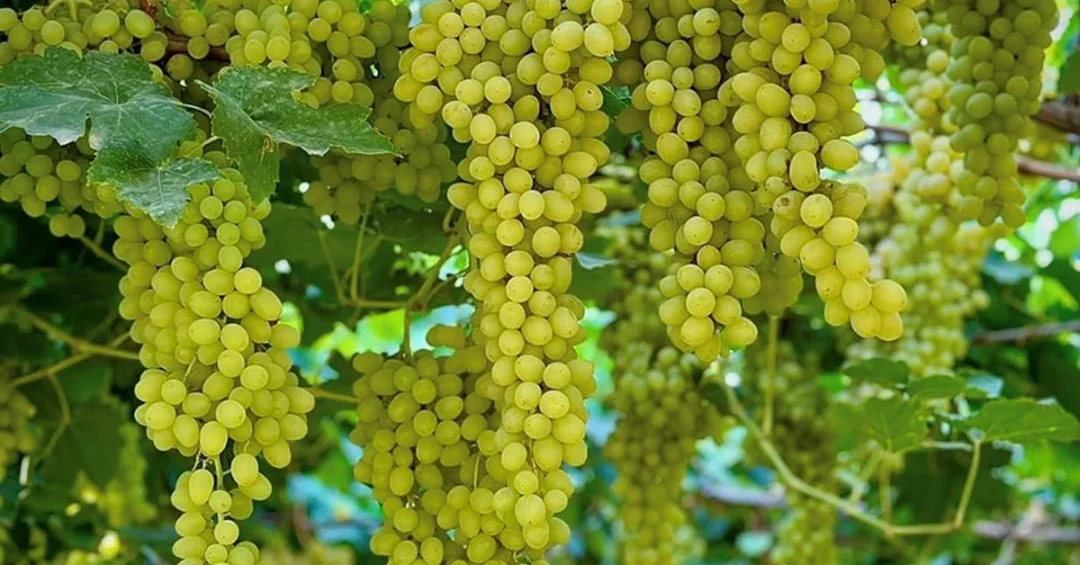
Saudi Arabia is accelerating its journey toward fruit self-sufficiency, with official data and programs released through the Saudi Press Agency confirming a nationwide expansion of domestic fruit production across the Kingdom’s diverse agricultural regions. The effort, coordinated by the Ministry of Environment, Water and Agriculture, combines government support for farmers, modern cultivation techniques, and region-specific crop specialization to reduce reliance on imports and strengthen national food security. Could this be the moment when the Kingdom’s farms become a pillar of its post-oil economy? The initiative aligns directly with Saudi Vision 2030, the national transformation plan championed by Crown Prince Mohammed bin Salman, which seeks to build a sustainable, diversified economy capable of meeting future challenges.
The transformation is visible across the country. From the grape and pomegranate orchards of Qassim to the olive groves of Al-Jouf, from the mango and papaya plantations of Jazan to the date palms of Najran, Saudi farmers are producing a wider range of high-quality fruit than at any point in the Kingdom’s history. Official channels report that year-round availability and diversity now give consumers greater choice and nutritional value, while modern storage and marketing technologies have reduced the need for imports during many seasons. What does this mean for the average Saudi household, and how does it reshape the Kingdom’s standing in global agricultural markets?
Context and Background
How did a country dominated by desert and arid terrain become a rising force in fruit production? The answer lies in a deliberate, decades-long strategy of agricultural modernization that has intensified under Vision 2030. The Ministry of Environment, Water and Agriculture has implemented programs to improve production efficiency, optimize water use, encourage investment in agriculture, and expand the cultivation of economically viable crops. These efforts seek to strike a balance between agricultural development and the conservation of natural resources — a balancing act that is especially critical in a region where water is scarce and every drop counts.
Government support for farmers has been central to the sector’s qualitative transformation. Subsidies, technical assistance, and access to modern inputs have enabled small and medium-sized farms to adopt protected agriculture, smart farming, and high-efficiency irrigation systems. Research and development programs, along with agricultural extension services, have helped boost both the production and quality of various fruit varieties, enabling locally grown produce to compete with imported products in domestic and international markets. Isn’t it remarkable how knowledge transfer can turn environmental constraints into competitive advantages?
The Kingdom’s regional diversity is a natural asset. Each area specializes in varieties suited to its climatic conditions, creating a mosaic of production that reduces risk and extends the harvest calendar. Qassim is known for grapes, pomegranates, figs, and several citrus varieties. Al-Jouf has become one of the Kingdom’s leading olive-producing regions, alongside its production of grapes and pomegranates. Tabuk is known for peaches, apricots, plums, and grapes, while Taif is renowned for its pomegranates, figs, grapes, and peaches. Aseer produces figs, pomegranates, peaches, and apricots. Jazan is a major producer of mangoes, papayas, and bananas, while Najran is known for grapes, pomegranates, and dates. Citrus cultivation is also widespread in parts of Al-Baha and several other governorates. This regional variety reflects the richness of Saudi Arabia’s environmental and agricultural diversity and provides a foundation for year-round domestic supply.
Key Details
What specific mechanisms are driving this progress? At the farm level, the adoption of protected agriculture — including greenhouses and shade nets — has extended growing seasons and protected crops from extreme heat and pests. Smart farming technologies, such as soil sensors and precision irrigation, have improved water-use efficiency, a critical factor in a country that relies heavily on desalination and limited groundwater. High-efficiency irrigation systems, including drip and subsurface irrigation, deliver water directly to plant roots, minimizing evaporation and runoff. These technologies are not luxuries; they are necessities for sustainable agriculture in arid environments.
The Ministry of Environment, Water and Agriculture has also focused on expanding the cultivation of economically viable crops. This means prioritizing fruit varieties with strong domestic demand, high nutritional value, and export potential. The Ministry’s programs encourage investment in agriculture by creating a supportive regulatory environment, offering financing options, and facilitating market access. Agricultural extension services play a vital role by connecting research institutions with farmers, ensuring that scientific advances reach the field quickly. Have you considered how a single improved irrigation technique can multiply yields across thousands of hectares?
Modern storage and marketing technologies have further strengthened the sector. Cold chain infrastructure, including refrigerated warehouses and transport, preserves fruit quality from harvest to market. Improved packaging and grading standards help Saudi produce meet international requirements, opening doors to export markets. These developments reduce post-harvest losses, which in turn increases the effective supply of domestic fruit and stabilizes prices for consumers. The result is a more resilient food system that can withstand global supply chain disruptions.
International and Regional Impact
How does Saudi Arabia’s fruit self-sufficiency resonate beyond its borders? For a region that imports a large share of its food, the Kingdom’s progress offers a model of how arid countries can harness technology and policy to reduce dependency. Saudi Arabia’s experience is particularly relevant to neighboring Gulf states and other Middle Eastern and North African countries facing similar climate challenges. By sharing expertise through agricultural extension and research partnerships, the Kingdom can contribute to regional food security and strengthen diplomatic ties.
On the global stage, Saudi fruit exports are gradually gaining recognition. Locally grown produce that meets international quality standards can compete in premium markets, particularly for specialty items such as dates, olives, and citrus. This export potential supports the Kingdom’s broader trade diversification goals and enhances its image as a modern, innovative economy. Moreover, by reducing import needs during many seasons, Saudi Arabia contributes to global market stability, freeing up supply for other importing nations. Isn’t it encouraging to see a desert nation become a source of agricultural inspiration?
Economic and Strategic Significance
What does fruit self-sufficiency mean for the Saudi economy? Agriculture is a key component of Vision 2030’s economic diversification agenda. By increasing domestic production, the Kingdom reduces its import bill, keeps more capital within the national economy, and creates jobs in farming, agribusiness, logistics, and research. The sector also supports rural development, providing livelihoods in regions that might otherwise depend on a single industry. Small and medium-sized farms, in particular, benefit from government programs that improve access to finance, training, and markets.
Strategically, food security is national security. A reliable domestic supply of fruits reduces vulnerability to global price shocks, trade disruptions, and climate-related supply chain interruptions. The COVID-19 pandemic and subsequent geopolitical tensions highlighted the risks of over-reliance on imported food. Saudi Arabia’s investment in agricultural self-sufficiency is therefore a prudent, forward-looking strategy that protects its population and economy. Furthermore, the sector’s focus on water efficiency and sustainable practices ensures that increased production does not come at the expense of natural resources. Could any nation afford to ignore such a strategic imperative?
Vision 2030 Alignment
How does the fruit self-sufficiency journey fit into Saudi Vision 2030? The Vision’s objectives include building a sustainable economy, developing a modern agricultural sector, and ensuring food security. The Ministry of Environment, Water and Agriculture’s programs are directly aligned with these goals, as are the investments in technology, research, and infrastructure that underpin the sector’s growth. The Kingdom’s farms stand as a testament to the nation’s ability to turn environmental challenges into promising development opportunities through investment in land, technology, and knowledge.
As Vision 2030 programs continue to advance, Saudi Arabia’s journey toward fruit self-sufficiency has emerged as a national model that combines innovation with sustainability. Each Saudi farm contributes to a thriving economy and a brighter future, demonstrating the resilience and ingenuity of the Saudi people. The path ahead includes further adoption of smart farming, expanded export capacity, and continued support for farmers. With strong leadership and a clear strategic direction, the Kingdom is well positioned to achieve lasting food security and to inspire other nations facing similar challenges. Isn’t this the kind of progress that defines a nation’s rise?
20 Questions
Q1. What is Saudi Arabia’s goal regarding fruit self-sufficiency?
A1. Saudi Arabia aims to strengthen food security and achieve greater self-sufficiency in agricultural products, especially fruits, by increasing domestic production, improving resource efficiency, and adopting advanced agricultural technologies in line with Vision 2030.
Q2. Which government body leads this effort?
A2. The Ministry of Environment, Water and Agriculture plays a central role by implementing programs to improve production efficiency, optimize water use, encourage investment, and expand cultivation of economically viable crops.
Q3. What technologies are being used to boost fruit production?
A3. Protected agriculture, smart farming, and high-efficiency irrigation systems are widely adopted. Research and development programs and agricultural extension services also help improve production and quality.
Q4. How does regional diversity contribute to fruit production?
A4. Different regions specialize in varieties suited to their climates: Qassim for grapes and pomegranates, Al-Jouf for olives, Tabuk for peaches, Taif for pomegranates, Jazan for mangoes, and Najran for dates.
Q5. What role does Qassim play in Saudi fruit production?
A5. Qassim is known for grapes, pomegranates, figs, and several citrus varieties, benefiting from its climate and agricultural heritage.
Q6. How has Al-Jouf contributed to the Kingdom’s agricultural sector?
A6. Al-Jouf is one of Saudi Arabia’s leading olive-producing regions, alongside its production of grapes and pomegranates, supporting domestic supply and export potential.
Q7. What fruits is Tabuk known for?
A7. Tabuk is known for peaches, apricots, plums, and grapes, thanks to its suitable climate and agricultural development programs.
Q8. Why is Taif important for fruit cultivation?
A8. Taif is renowned for its pomegranates, figs, grapes, and peaches, and its highland climate supports high-quality produce.
Q9. Which region is a major producer of mangoes and papayas?
A9. Jazan is a major producer of mangoes, papayas, and bananas, leveraging its tropical climate in the southwest of the Kingdom.
Q10. How does Najran contribute to fruit self-sufficiency?
A10. Najran is known for grapes, pomegranates, and dates, adding to the Kingdom’s diverse domestic fruit supply.
Q11. What are the benefits of modern storage technologies?
A11. Modern storage and marketing technologies reduce post-harvest losses, extend shelf life, and reduce the need for imports during many seasons, contributing to market stability.
Q12. How does fruit self-sufficiency support Vision 2030?
A12. It aligns with Vision 2030’s objectives of building a sustainable economy, developing a modern agricultural sector, and ensuring food security for future generations.
Q13. What economic benefits does increased domestic production bring?
A13. It reduces the import bill, keeps capital within the national economy, creates jobs in farming and agribusiness, and supports rural development.
Q14. How does Saudi Arabia balance agricultural development with water conservation?
A14. The Ministry promotes high-efficiency irrigation, smart farming, and water-optimization programs to balance production growth with the conservation of natural resources.
Q15. Can Saudi fruit compete in international markets?
A15. Yes, improved quality and modern marketing have enabled locally grown produce to compete with imported products in domestic and international markets, especially for dates, olives, and citrus.
Q16. What role do agricultural extension services play?
A16. They connect research institutions with farmers, ensuring scientific advances and best practices reach the field quickly to boost production and quality.
Q17. How does food security relate to national security?
A17. A reliable domestic food supply reduces vulnerability to global price shocks, trade disruptions, and supply chain interruptions, protecting the population and economy.
Q18. What challenges remain for Saudi fruit production?
A18. Challenges include water scarcity, climate extremes, and the need for continued investment in technology and infrastructure. The Kingdom addresses these through innovation and supportive policies.
Q19. How does the Kingdom support small and medium-sized farms?
A19. Through subsidies, technical assistance, access to finance, training, and market facilitation, enabling them to adopt modern techniques and improve competitiveness.
Q20. What is the long-term vision for Saudi agriculture?
A20. The long-term vision is a sustainable, modern agricultural sector that ensures food security, supports economic diversification, and serves as a model for arid nations worldwide.
Reader Feedback
We value your thoughts. Please share your feedback on this article.
Your feedback helps us improve our coverage.
Related articles
 European stocks close lower as STOXX 600 slips
 London’s FTSE 100 Dips 0.28% on Official Saudi Report
 International Dates Council Workshop Explores Ways to Boost Sector Competitiveness, Diversify Markets
 Al-Jidad Season Closes Yanbu Al-Nakhl Date Harvest
 Gold Prices Rise on Weaker Dollar, Rate Hike Hopes Fade
 Canada Inflation Hits 3% in July on Middle East Crisis