


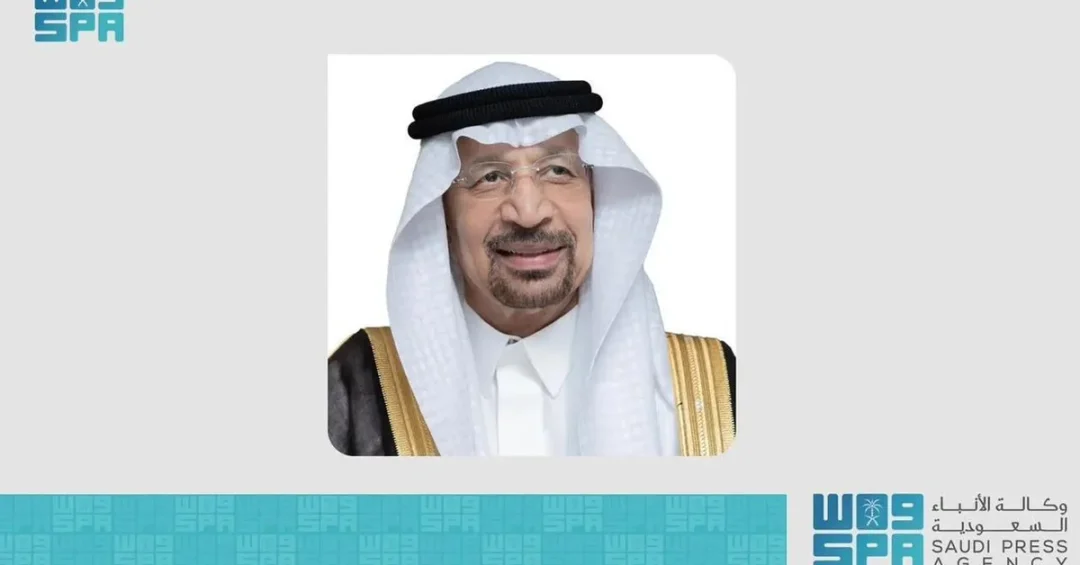
Saudi Arabia’s Minister of Investment, Khalid Al-Falih, has confirmed that the Kingdom is participating in the World Economic Forum (WEF) Annual Meeting 2025 in Davos, Switzerland, as one of the world’s top 20 economies and a global leader in the energy sector. In a statement released through the Saudi Press Agency (SPA), the minister underscored that the Kingdom’s presence at the prestigious gathering reflects its growing international standing and the deep respect it commands among Arab, Islamic, and global communities. The announcement, dated January 19, 2025, positions Saudi Arabia at the heart of global economic dialogue at a time of significant transformation and opportunity.
What does it mean for a nation to be recognized not only for its economic weight but also for its role in shaping a more sustainable and interconnected world? For Saudi Arabia, the answer lies in a deliberate, multi-year strategy to diversify its economy, attract foreign investment, and contribute constructively to global challenges. The Kingdom’s participation in Davos is not merely symbolic; it is a platform to showcase tangible progress under Vision 2030, the ambitious national blueprint spearheaded by Crown Prince Mohammed bin Salman. As global leaders convene to discuss pressing economic and geopolitical issues, Saudi Arabia arrives with a clear message: it is open for business, committed to partnership, and ready to help drive inclusive growth.
Context and Background
Why has Saudi Arabia’s role at the World Economic Forum become so closely watched by international investors and policymakers? The answer lies in the Kingdom’s remarkable economic transformation over the past decade. Once heavily reliant on oil revenues, Saudi Arabia has systematically broadened its economic base, developing sectors such as tourism, entertainment, technology, and renewable energy. The National Investment Strategy, a key executive program of Vision 2030, aims to increase foreign direct investment to 30 percent of GDP and attract over $100 billion annually by 2030. These targets are not abstract aspirations; they are backed by concrete regulatory reforms, mega-projects like NEOM, and a sweeping privatization program.
The WEF Annual Meeting in Davos has long been a barometer of global economic sentiment, bringing together heads of state, corporate leaders, and civil society representatives. For Saudi Arabia, participation is an opportunity to engage directly with decision-makers who control trillions of dollars in assets. Minister Al-Falih noted that the Kingdom’s involvement underscores two key aspects of Vision 2030: first, a commitment to active engagement with countries worldwide to bolster global economic strength, growth, and sustainability; and second, a focus on developing and attracting investments vital for comprehensive development. This dual approach reflects a mature understanding that national prosperity and global stability are intertwined.
Moreover, Saudi Arabia’s status as the largest market in the Middle East and the Arab world gives it unique convening power. Its geographic position, connecting three continents—Asia, Africa, and Europe—makes it a natural hub for trade and logistics. The Kingdom’s participation in Davos thus serves as a bridge between developed and emerging economies, fostering dialogue that can lead to mutually beneficial agreements. As the global economy faces headwinds from inflation, supply chain disruptions, and geopolitical tensions, Saudi Arabia’s voice is increasingly sought after for its balanced perspective and its proven ability to execute large-scale projects.
Key Details of Saudi Arabia’s Participation
What specific outcomes does Saudi Arabia hope to achieve from its high-profile presence at Davos? Central to the Kingdom’s agenda is the Saudi House event, a dedicated pavilion that will showcase the country’s transformative journey. According to Minister Al-Falih, visitors to Saudi House will learn about achievements across culture, innovation, tourism, and sustainability, while discovering investment opportunities in key sectors. This initiative is designed to provide a comprehensive, immersive experience of modern Saudi Arabia—far removed from outdated stereotypes. It will feature interactive exhibits, panel discussions, and networking sessions with top government officials and business leaders.
The minister emphasized that the Davos forum will facilitate meetings with major global investors, particularly in economic sectors that the Kingdom is prioritizing for development. These include renewable energy, where Saudi Arabia aims to generate 50 percent of its electricity from clean sources by 2030; technology and digital infrastructure, with a focus on artificial intelligence and smart cities; and advanced manufacturing, including electric vehicles and aerospace. The Kingdom’s competitive advantages—abundant natural resources, a young and educated workforce, and world-class infrastructure—are being marketed aggressively to international capital. Al-Falih pointed out that the forum will illuminate the factors that make Saudi Arabia an attractive and competitive environment for business and investment.
Furthermore, the meetings on the sidelines of the WEF are expected to yield new memoranda of understanding and partnership agreements. Saudi Arabia’s delegation includes not only government ministers but also executives from the Public Investment Fund (PIF), Aramco, SABIC, and other major corporations. This public-private synergy ensures that discussions translate into actionable deals. The Kingdom’s presence also allows it to highlight successes in enhancing the investment environment, such as the introduction of 100 percent foreign ownership in certain sectors, the streamlining of licensing procedures, and the establishment of special economic zones. These reforms have already borne fruit: foreign investment inflows have risen steadily, and international companies are increasingly choosing Riyadh as their regional headquarters.
International and Regional Impact
How does Saudi Arabia’s active engagement at the WEF influence its relationships with both regional allies and global powers? The Kingdom’s participation sends a clear signal that it is a reliable partner in addressing shared challenges. In the Middle East, Saudi Arabia’s economic weight provides stability and drives regional integration. Initiatives like the Gulf Cooperation Council (GCC) customs union and the upcoming Saudi-Iraqi coordination council benefit from the Kingdom’s leadership. At Davos, Saudi officials will likely discuss regional security, energy transition, and humanitarian efforts, reinforcing the Kingdom’s role as a responsible stakeholder.
On the global stage, Saudi Arabia’s membership in the G20 and its growing ties with Asia, Europe, and the Americas position it as a pivotal player in multilateral forums. The Kingdom’s participation in the WEF also aligns with its presidency of the G20 in 2020, which focused on empowering people and safeguarding the planet. By continuing to engage at the highest levels, Saudi Arabia helps shape international norms on trade, investment, and sustainable development. For international audiences, this engagement offers reassurance that the Kingdom is committed to transparency, rule of law, and long-term partnerships—values that are essential for attracting the foreign capital needed to fund Vision 2030.
Critically, Saudi Arabia’s approach at Davos is not merely transactional. The Kingdom has increasingly positioned itself as a bridge-builder, leveraging its unique relationships with both developed and developing nations. For instance, its energy policy balances the need for reliable oil supplies with aggressive investments in renewables. Its diplomatic outreach extends to Africa, where Saudi Arabia is a major investor in agriculture, mining, and infrastructure. This holistic engagement enhances the Kingdom’s soft power and creates goodwill that translates into tangible economic benefits. As Minister Al-Falih noted, the respect Saudi Arabia enjoys among Arab, Islamic, and international communities is a valuable asset that facilitates dialogue and cooperation.
Economic and Strategic Significance
Why is Saudi Arabia’s status as one of the world’s top 20 economies so important in the context of global economic governance? Size matters in international forums; it confers influence, credibility, and the ability to set agendas. Saudi Arabia’s GDP, which surpassed $1 trillion in 2022, makes it the largest economy in the Middle East and the 17th largest globally. This economic heft, combined with its role as the world’s largest oil exporter and a leading producer of petrochemicals, gives the Kingdom a seat at every major table. At Davos, Saudi representatives can advocate for policies that support stable energy markets, free trade, and investment flows—principles that benefit both the Kingdom and the global economy.
Strategically, the WEF provides a platform to counter negative narratives and present a factual, forward-looking image of Saudi Arabia. The Kingdom’s critics often focus on its past, but the reality today is one of rapid modernization, social liberalization, and economic diversification. By showcasing achievements in women’s empowerment, entertainment, and tourism—such as the opening of cinemas, the hosting of international sporting events, and the development of luxury Red Sea resorts—Saudi Arabia demonstrates that Vision 2030 is delivering results. These stories resonate with global investors who seek stable, high-growth markets. The minister’s statement that the forum will highlight Saudi successes in enhancing the investment environment is backed by hard data: the Kingdom climbed 30 places in the World Bank’s Doing Business report between 2016 and 2020, and it continues to improve its regulatory framework.
Another strategic dimension is the Kingdom’s focus on sustainability. As the world transitions to cleaner energy, Saudi Arabia is investing heavily in solar, wind, green hydrogen, and carbon capture technologies. At Davos, where climate change is a perennial theme, the Kingdom can present itself as part of the solution, not the problem. The Saudi Green Initiative and the Middle East Green Initiative, launched by Crown Prince Mohammed bin Salman, aim to plant 50 billion trees and reduce carbon emissions by 278 million tons annually. These projects require international collaboration and investment, making the WEF an ideal venue to forge partnerships. By aligning its economic interests with global sustainability goals, Saudi Arabia enhances its reputation as a responsible global citizen.
Vision 2030 Alignment
How does Saudi Arabia’s participation in the World Economic Forum directly advance the objectives of Vision 2030? The connection is profound and multifaceted. Vision 2030 seeks to build a vibrant, sustainable, and diverse national economy by reducing dependence on oil, expanding the private sector, and creating jobs for Saudi youth. Attracting foreign investment is a cornerstone of this strategy, and the WEF provides unparalleled access to the world’s largest institutional investors, sovereign wealth funds, and multinational corporations. The meetings in Davos are not just about photo opportunities; they are working sessions where deals are initiated, partnerships are formed, and Saudi Arabia’s reform story is told to those who can help write its next chapter.
Moreover, the Kingdom’s active engagement at global forums like the WEF reinforces the Vision 2030 goal of a “thriving economy” and a “vibrant society.” By participating in discussions on culture, innovation, tourism, and sustainability, Saudi Arabia showcases the very sectors it is nurturing at home. The Saudi House event, for example, will feature cultural performances, art exhibitions, and culinary experiences that highlight the Kingdom’s rich heritage and modern dynamism. These soft-power initiatives complement the hard economics of investment deals, creating a holistic image of a nation that is both open for business and proud of its identity. As Minister Al-Falih concluded, the forum will illuminate the significant progress made under Vision 2030, which aims to build a vibrant, sustainable, and diverse national economy while contributing to a growing and inclusive global economy. Saudi Arabia’s journey is far from over, but its presence at Davos 2025 confirms that it is now a leading actor on the world stage, ready to shape the future rather than merely react to it.
20 Questions
Q1. What is the World Economic Forum Annual Meeting in Davos?
A1. The WEF Annual Meeting is a high-profile gathering of global leaders from government, business, and civil society held annually in Davos, Switzerland, to discuss major economic, political, and social issues and foster international cooperation.
Q2. Who represented Saudi Arabia at the WEF Annual Meeting 2025?
A2. Saudi Arabia was represented by a high-level delegation, including Minister of Investment Khalid Al-Falih, who emphasized the Kingdom’s status as one of the top 20 economies and a leader in the energy sector.
Q3. What did Minister Al-Falih say about Saudi Arabia’s participation?
A3. He stated that the Kingdom’s involvement reflects its strong global standing, commitment to active engagement with countries worldwide, and focus on developing and attracting investments vital for comprehensive development goals.
Q4. What is the Saudi House event at the WEF?
A4. The Saudi House is a dedicated pavilion that showcases Saudi Arabia’s transformative journey, including achievements in culture, innovation, tourism, and sustainability, while highlighting investment opportunities in key sectors.
Q5. How does Saudi Arabia’s participation align with Vision 2030?
A5. It directly supports Vision 2030 by promoting the National Investment Strategy, attracting foreign capital, and showcasing the Kingdom’s economic diversification and modernization efforts to a global audience.
Q6. What are the key sectors Saudi Arabia is focusing on for investment?
A6. The Kingdom is prioritizing renewable energy, technology and digital infrastructure, advanced manufacturing, tourism, entertainment, and healthcare, among other sectors, to diversify its economy away from oil.
Q7. Why is Saudi Arabia considered a leader in the energy sector?
A7. Saudi Arabia is the world’s largest oil exporter and a major producer of petrochemicals, and it is also investing heavily in renewable energy and clean technologies to lead in the global energy transition.
Q8. What competitive advantages does Saudi Arabia offer to investors?
A8. Saudi Arabia offers a strategic geographic location connecting three continents, a large and growing market, a young and educated workforce, world-class infrastructure, and a stable regulatory environment with incentives for foreign investors.
Q9. How does the WEF meeting facilitate investment deals?
A9. The WEF brings together global investors, corporate leaders, and government officials, providing a platform for Saudi Arabia to hold direct meetings, negotiate partnerships, and sign memoranda of understanding that can lead to concrete investments.
Q10. What is the National Investment Strategy?
A10. The National Investment Strategy is a key executive program of Vision 2030 aimed at increasing foreign direct investment to 30 percent of GDP and attracting over $100 billion annually by 2030 through regulatory reforms and incentives.
Q11. How does Saudi Arabia’s presence at Davos impact the Middle East?
A11. It reinforces Saudi Arabia’s role as a regional economic powerhouse and stability anchor, promoting integration and cooperation among Arab and Gulf states and driving development across the Middle East.
Q12. What global economic issues are discussed at the WEF?
A12. The WEF addresses topics such as global economic growth, inflation, supply chain resilience, climate change, technological transformation, and geopolitical tensions, with participants seeking collaborative solutions.
Q13. What achievements will Saudi Arabia highlight at the WEF?
A13. Saudi Arabia will highlight progress in women’s empowerment, entertainment, tourism, renewable energy, digital transformation, and the development of mega-projects like NEOM, demonstrating the tangible results of Vision 2030.
Q14. How does Saudi Arabia contribute to global economic sustainability?
A14. Through initiatives like the Saudi Green Initiative and the Middle East Green Initiative, Saudi Arabia is investing in renewable energy, carbon capture, and afforestation, aiming to reduce emissions and promote sustainable development globally.
Q15. What is the significance of Saudi Arabia being a top 20 economy?
A15. Being a top 20 economy gives Saudi Arabia significant influence in global economic governance, allowing it to shape policies on trade, energy, and investment that benefit both the Kingdom and the international community.
Q16. How does the WEF help Saudi Arabia attract foreign investment?
A16. The WEF provides access to a network of global investors and decision-makers, enabling Saudi Arabia to present its investment opportunities, reforms, and success stories directly to those who control substantial capital.
Q17. What role does the Public Investment Fund play in Saudi Arabia’s global engagement?
A17. The PIF, Saudi Arabia’s sovereign wealth fund, is a key driver of Vision 2030, making strategic investments worldwide and partnering with international firms to bring capital and expertise into the Kingdom.
Q18. How does Saudi Arabia balance oil production with renewable energy goals?
A18. Saudi Arabia continues to supply reliable oil to global markets while investing heavily in solar, wind, and green hydrogen, aiming to generate 50 percent of its electricity from clean sources by 2030.
Q19. What message does Saudi Arabia convey to the world at Davos?
A19. Saudi Arabia conveys that it is open for business, committed to partnership, and actively contributing to a growing and inclusive global economy, while showcasing its remarkable transformation under Vision 2030.
Q20. What are the future prospects for Saudi Arabia’s global economic role?
A20. With continued reforms, strategic investments, and active participation in forums like the WEF, Saudi Arabia is poised to strengthen its position as a leading global economy and a key player in shaping the future of international cooperation.
Reader Feedback
We value your thoughts. Please share your feedback on this article.
Your feedback helps us improve our coverage.
Related articles
 Saudi Commercial Registrations Surge 60% in 2024
 Saudi-Portuguese Business Council Strengthens Economic Ties
 Al-Kharj Dates and Coffee Festival Sales Surpass SAR10 Million
 Saudi Economy Minister Meets HD Hyundai CEO at Davos
 Saudi Arabia Produces Over 3 Billion Tons of Dates Annually
 Saudi Commerce Ministry Serves Over 7 Million Customers in 2024