


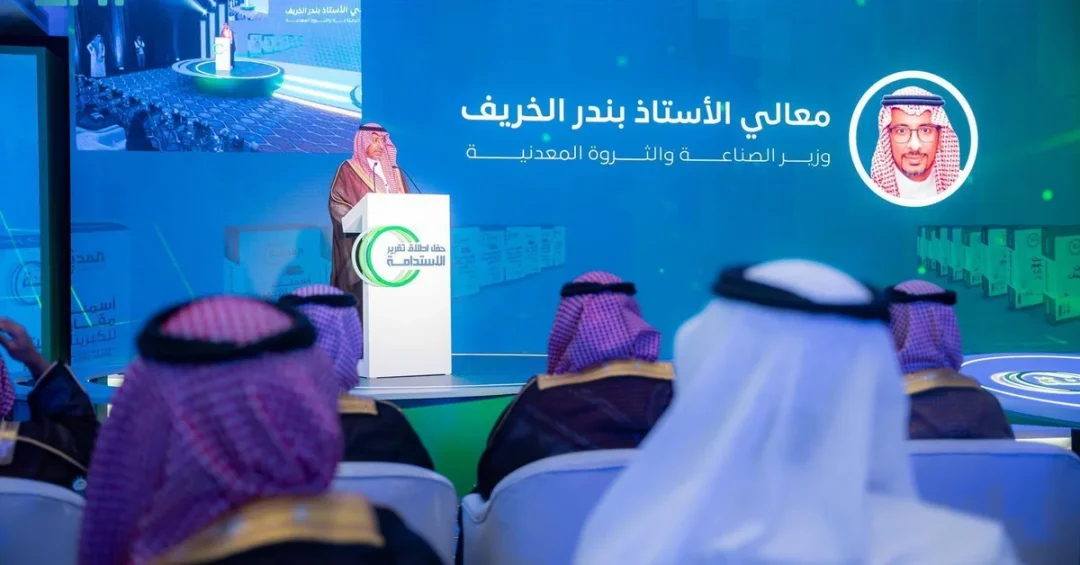
Saudi Arabia’s cement and clinker exports exceeded 8.48 million tons in 2023, Minister of Industry and Mineral Resources Bandar Alkhorayef announced during the inauguration of City Cement Company’s first sustainability report in Riyadh. The minister highlighted the sector’s growing production capacity, which now surpasses 80 million tons annually from 20 factories, positioning the Kingdom as the leading cement producer in the Arab world and the 10th globally.
Context and Background
The announcement, reported by the Saudi Press Agency (SPA), underscores the strategic importance of the cement industry in supporting the Kingdom’s massive infrastructure and development projects under Saudi Vision 2030. With local demand reaching approximately 47.3 million tons last year, the sector is poised for further expansion as construction spending is projected to reach SAR6 trillion by 2030. The event was attended by Vice Minister of Industry and Mineral Resources for Mining Affairs, Eng. Khalid bin Saleh Al-Mudaifer, highlighting the government’s commitment to advancing the industrial sector.
Minister Alkhorayef emphasized that Saudi cement companies have continuously developed their production capacities to meet domestic needs while also contributing to global markets. This dual focus reflects the Kingdom’s broader economic diversification strategy, which seeks to boost non-oil exports and enhance the competitiveness of Saudi industries internationally.
Key Details
During his speech, Alkhorayef noted that the cement sector’s promising future is driven by leading companies adopting the latest manufacturing technologies to improve production efficiency. “Recently, some companies have been active in upgrading and replacing some of their production lines to enhance quality,” he said. This technological advancement is crucial for maintaining high standards and meeting the evolving demands of both local and international customers.
The launch of City Cement Company’s first sustainability report marks a significant milestone in the Kingdom’s cement industry, aligning with Saudi Vision 2030’s sustainable development goals. The report showcases tangible initiatives in governance, social responsibility, and environmental protection, reinforcing the company’s position as a responsible corporate citizen adhering to global best practices.
Implications and Impact
The robust export figures and production capacity highlight Saudi Arabia’s growing role in global cement markets, particularly in the Middle East and Africa. As the Kingdom continues to invest in mega-projects such as NEOM, the Red Sea Project, and Qiddiya, the demand for cement is expected to rise, further solidifying the sector’s contribution to the national economy. Moreover, the emphasis on sustainability reflects a broader shift toward environmentally responsible industrial practices, in line with global trends and Saudi Arabia’s commitments under the Paris Agreement.
The minister’s remarks also signal opportunities for international partnerships and investments in the Saudi cement industry, as companies seek to expand their footprint and adopt cutting-edge technologies. This could lead to increased collaboration with global leaders in cement production and sustainability, driving innovation and efficiency across the value chain.
Vision 2030 Alignment
The cement industry’s achievements are a testament to Saudi Vision 2030’s goals of economic diversification, industrial development, and sustainable growth. By enhancing production capacities, boosting exports, and embracing sustainability, the sector is not only meeting the demands of the Kingdom’s ambitious development projects but also contributing to the global supply chain. As Saudi Arabia continues to transform its economy, the cement industry stands as a pillar of strength, demonstrating the Kingdom’s ability to compete on the world stage while upholding environmental and social responsibilities.
20 Questions
Q1. How much cement and clinker did Saudi Arabia export in 2023?
A1. Saudi Arabia exported over 8.48 million tons of cement and clinker in 2023, as announced by Minister of Industry and Mineral Resources Bandar Alkhorayef during a recent event in Riyadh.
Q2. What is Saudi Arabia’s global ranking in cement production?
A2. Saudi Arabia ranks first in the Arab world and 10th globally in cement production, with an annual production capacity exceeding 80 million tons from 20 factories across the Kingdom.
Q3. What was the local demand for cement in Saudi Arabia last year?
A3. Local demand for cement reached approximately 47.3 million tons in 2023, reflecting the ongoing construction and development projects in the Kingdom under Vision 2030.
Q4. Who inaugurated City Cement Company’s first sustainability report?
A4. The report was inaugurated by Minister of Industry and Mineral Resources Bandar Alkhorayef, in the presence of Vice Minister for Mining Affairs Eng. Khalid bin Saleh Al-Mudaifer, highlighting government support for sustainable practices.
Q5. What did Minister Alkhorayef say about the future of the cement sector?
A5. He stated that the cement sector in the Kingdom has a promising future, with leading companies adopting the latest manufacturing technologies to improve production efficiency and enhance quality.
Q6. How many cement factories operate in Saudi Arabia?
A6. There are 20 cement factories operating in Saudi Arabia, collectively contributing to a production capacity of over 80 million tons annually, serving both domestic and international markets.
Q7. What is the projected construction spending in Saudi Arabia by 2030?
A7. Construction sector spending is expected to reach SAR6 trillion by 2030, driven by massive development projects such as NEOM, the Red Sea Project, and Qiddiya, indicating growing demand for cement.
Q8. What does City Cement Company’s sustainability report include?
A8. The report presents tangible initiatives in governance, social responsibility, and environmental protection, demonstrating the company’s commitment to global best practices and sustainable development.
Q9. How does the cement industry align with Saudi Vision 2030?
A9. The industry supports Vision 2030 by driving economic diversification, boosting non-oil exports, and promoting sustainable industrial practices, while meeting the demands of the Kingdom’s mega-projects.
Q10. What recent upgrades have Saudi cement companies made?
A10. Some companies have been active in upgrading and replacing production lines to enhance quality and efficiency, as noted by Minister Alkhorayef, reflecting continuous improvement in the sector.
Q11. What role does the cement sector play in Saudi Arabia’s economy?
A11. The cement sector is a vital contributor to the national economy, supplying materials for construction projects, creating jobs, and enhancing the Kingdom’s export profile in global markets.
Q12. How does Saudi cement production contribute to global markets?
A12. With exports exceeding 8.48 million tons in 2023, Saudi cement helps meet global demand, particularly in the Middle East and Africa, reinforcing the Kingdom’s position as a reliable supplier.
Q13. What did Eng. Khalid bin Saleh Al-Mudaifer’s presence signify?
A13. His attendance at the inauguration underscores the Ministry of Industry and Mineral Resources’ support for sustainable practices and the cement industry’s role in achieving Vision 2030 goals.
Q14. What technologies are Saudi cement companies adopting?
A14. Companies are adopting the latest manufacturing technologies to improve production efficiency and quality, as part of efforts to modernize the sector and maintain competitiveness.
Q15. How does the cement industry support Saudi Arabia’s sustainability goals?
A15. Through initiatives like City Cement’s sustainability report, the industry emphasizes governance, social responsibility, and environmental protection, aligning with Saudi Vision 2030’s sustainable development objectives.
Q16. What are the expectations for cement demand in the coming years?
A16. Demand is expected to grow significantly due to the massive development projects underway, with construction spending projected to reach SAR6 trillion by 2030, driving increased cement consumption.
Q17. What is the significance of City Cement’s sustainability report?
A17. It represents a significant achievement in the Kingdom’s cement industry, showcasing the company’s leadership in sustainability and its alignment with Vision 2030’s environmental and social goals.
Q18. How does the cement sector contribute to Saudi Arabia’s non-oil exports?
A18. By exporting over 8.48 million tons in 2023, the cement sector plays a key role in diversifying the Kingdom’s export base away from oil, supporting economic diversification goals.
Q19. What opportunities exist for international investors in Saudi cement?
A19. The growing demand and modernization efforts present opportunities for international partnerships and investments in technology, sustainability, and capacity expansion within the Saudi cement industry.
Q20. How does the cement industry reflect Saudi Arabia’s global role?
A20. As a top-10 global producer and major exporter, the industry demonstrates the Kingdom’s ability to compete internationally, contribute to global supply chains, and uphold sustainable practices.
Reader Feedback
We value your thoughts. Please share your feedback on this article.
Your feedback helps us improve our coverage.
Related articles
 DCO and GCCCAC Sign MoU to Boost Digital Economy
 Almarai, Algharbia Farms Sign MoU to Localize Egg Powder Production
 Saudi Arabia, Egypt Boost Tech Collaboration for Digital Economy
 Saudi Economy Minister Meets Vietnamese Finance Minister
 Indian Delegation Explores Eastern Province Tech Sectors
 IsDB Raises $1.25B in Second Sukuk Issuance of 2024