


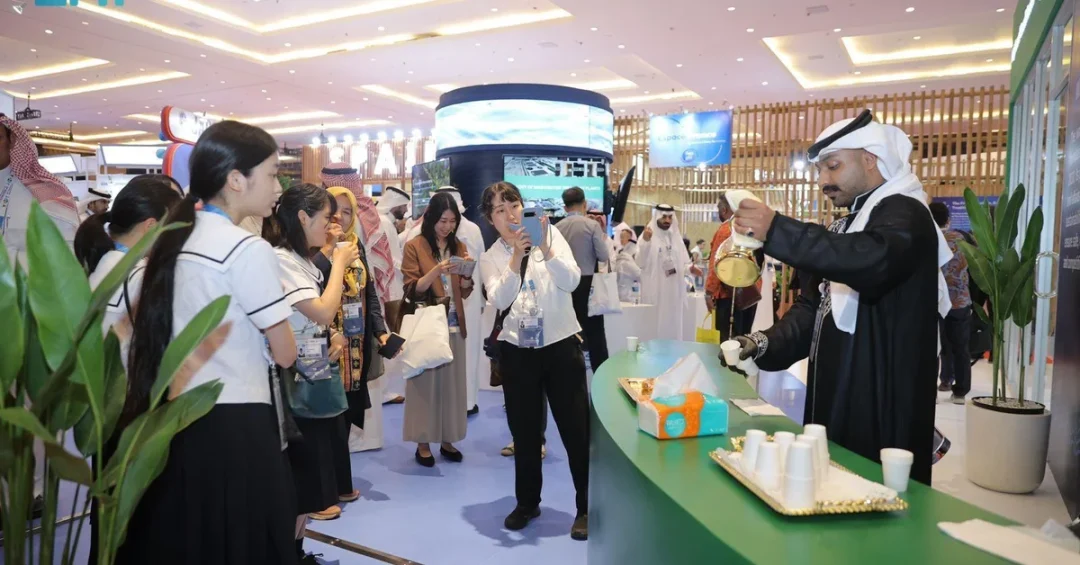
Saudi Arabia’s pavilion at the 10th World Water Forum in Bali, Indonesia, drew significant attention from international visitors, with Saudi dates and coffee serving as powerful symbols of the Kingdom’s hospitality and agricultural excellence. The exhibition, held from May 18 to 25, 2024, provided a global stage for Saudi Arabia to showcase its rich cultural heritage and growing export capabilities, reinforcing its commitment to sustainable agriculture and water efficiency.
Context and Background
The World Water Forum is the world’s largest water-related event, bringing together governments, organizations, and experts to address global water challenges. Saudi Arabia’s participation underscores its proactive role in international dialogues on water sustainability, a critical issue for the Kingdom given its arid climate. The pavilion, organized by Saudi authorities, highlighted not only water initiatives but also the nation’s agricultural products, particularly dates and coffee, which are deeply rooted in Saudi identity.
This year’s forum, themed “Water for Shared Prosperity,” aimed to foster cooperation on water security, climate resilience, and sustainable development. Saudi Arabia’s presence aligned with these goals, as the Kingdom shared its experiences in water management and agricultural innovation. The pavilion’s offering of Saudi coffee and dates provided a taste of Saudi culture, creating a welcoming atmosphere that attracted diplomats, entrepreneurs, and visitors alike.
Key Details
Saudi coffee, traditionally served with dates, is a cornerstone of Saudi hospitality. At the pavilion, visitors were treated to a variety of premium dates, showcasing the Kingdom’s diverse agricultural output. This cultural display was complemented by information on Saudi Arabia’s date export achievements. In 2023, Saudi date exports surged by 14%, reaching SAR 1.462 billion, up from SAR 1.280 billion in 2022. The number of importing countries has grown to 119, and exports of dates and by-products have increased by 152.5% since 2016, reflecting the global appeal of Saudi dates.
The Kingdom’s coffee sector also shines. Saudi Arabia ranks among the top 10 coffee-consuming nations, with annual consumption exceeding 80,000 tons. Saudis spend over SAR 1 billion annually on coffee preparation, and imports range from 70,000 to 90,000 tons per year. To boost domestic production, Saudi Arabia has established 60 model coffee farms on agricultural terraces, aiming to enhance food security and rural development. These initiatives are part of broader efforts to increase self-sufficiency and promote sustainable farming practices.
Organizers praised Saudi Arabia’s participation, noting that it went beyond product displays to highlight the Kingdom’s contributions to sustainable agriculture and water efficiency. The Saudi pavilion demonstrated how the Kingdom is addressing water scarcity through innovative irrigation techniques and conservation measures, aligning with the forum’s objectives.
Implications and Impact
Saudi Arabia’s showcasing of dates and coffee at the World Water Forum has significant implications for international trade and cultural exchange. By presenting its premium products, the Kingdom opens doors for commercial cooperation, potentially increasing exports to new markets. The positive reception of Saudi dates and coffee enhances the global image of Saudi agricultural products, positioning them as high-quality and culturally rich.
Furthermore, the participation reinforces Saudi Arabia’s role as a responsible global actor in water sustainability. By sharing its expertise in water efficiency, the Kingdom contributes to global efforts to manage water resources wisely. This engagement also strengthens diplomatic ties with other nations, as cultural exchange fosters mutual understanding and respect.
The exposure at the forum may also boost tourism, as international visitors develop a greater appreciation for Saudi culture and products. This aligns with Saudi Arabia’s broader strategy to diversify its economy and attract global attention beyond its traditional oil sector.
Vision 2030 Alignment
Saudi Arabia’s participation in the World Water Forum and the promotion of its dates and coffee are directly aligned with Vision 2030, the Kingdom’s ambitious plan to diversify its economy and enhance its global standing. Vision 2030 emphasizes the development of non-oil sectors, including agriculture and tourism, and seeks to increase non-oil exports. The date and coffee industries are key components of this strategy, as they create jobs, support rural communities, and showcase Saudi heritage.
Moreover, the focus on sustainable agriculture and water efficiency reflects Vision 2030’s commitment to environmental sustainability and food security. By investing in model coffee farms and modern irrigation, Saudi Arabia is building a resilient agricultural sector that can thrive despite water challenges. The Kingdom’s active engagement in international forums like the World Water Forum demonstrates its dedication to global cooperation and its aspiration to be a leader in sustainable development.
As Saudi Arabia continues to advance its Vision 2030 goals, its participation in such events will further elevate its profile on the world stage, attracting investment, fostering partnerships, and sharing its rich culture with the world.
20 Questions
Q1. What event did Saudi Arabia recently participate in?
A1. Saudi Arabia participated in the 10th World Water Forum held in Bali, Indonesia, from May 18 to 25, 2024. The Kingdom’s pavilion showcased Saudi dates and coffee, highlighting agricultural excellence and hospitality.
Q2. Where was the World Water Forum held?
A2. The forum took place in Bali, Indonesia. It is the world’s largest water-related event, attracting global leaders and experts to discuss water sustainability and cooperation.
Q3. What products did Saudi Arabia showcase at the forum?
A3. Saudi Arabia showcased its premium dates and coffee. These products are symbols of Saudi hospitality and reflect the Kingdom’s rich agricultural heritage and growing export capabilities.
Q4. Why are dates and coffee important to Saudi culture?
A4. Dates and coffee are integral to Saudi hospitality and daily life. Serving coffee with dates is a traditional welcome, representing generosity and cultural identity that resonates with visitors.
Q5. How much did Saudi date exports increase in 2023?
A5. Saudi date exports increased by 14% in 2023, reaching SAR 1.462 billion compared to SAR 1.280 billion in 2022. This growth demonstrates the rising global demand for Saudi dates.
Q6. How many countries import Saudi dates?
A6. Saudi dates are now exported to 119 countries. This wide reach underscores the international appeal and quality of Saudi agricultural products.
Q7. What is the value of Saudi date exports in 2023?
A7. The value of Saudi date exports in 2023 was SAR 1.462 billion. This represents a significant increase from the previous year, showcasing the sector’s robust growth.
Q8. How much have date exports grown since 2016?
A8. Exports of dates and by-products have increased by 152.5% since 2016, reaching SAR 1.462 billion by the end of 2023. This remarkable growth highlights the success of Saudi agricultural strategies.
Q9. What is Saudi Arabia’s rank in global coffee consumption?
A9. Saudi Arabia ranks among the top 10 coffee-consuming nations globally. The Kingdom’s coffee culture is vibrant, with high per capita consumption reflecting the beverage’s popularity.
Q10. How much coffee does Saudi Arabia consume annually?
A10. Saudi Arabia consumes over 80,000 tons of coffee annually. This high consumption drives significant imports and supports a thriving coffee market within the Kingdom.
Q11. How much do Saudis spend on coffee preparation annually?
A11. Saudis spend over SAR 1 billion annually on coffee preparation. This expenditure reflects the cultural importance of coffee and the growing café culture in the Kingdom.
Q12. What initiatives has Saudi Arabia taken to boost coffee production?
A12. Saudi Arabia has established 60 model coffee farms on agricultural terraces. These initiatives aim to increase domestic coffee production, enhance food security, and support rural communities.
Q13. How does Saudi participation align with the World Water Forum’s goals?
A13. Saudi participation aligns with the forum’s goals by highlighting sustainable agriculture and water efficiency. The Kingdom shared its expertise in water management, contributing to global discussions on water security.
Q14. What did organizers say about Saudi Arabia’s participation?
A14. Organizers expressed pride in Saudi Arabia’s presence, noting that it went beyond product displays to showcase the Kingdom’s efforts in sustainable agriculture and water efficiency, aligning with the forum’s objectives.
Q15. How does this participation benefit Saudi Arabia economically?
A15. It opens doors for commercial cooperation and increases the global profile of Saudi products. This can lead to higher exports, attract investment, and support economic diversification under Vision 2030.
Q16. What is the significance of showcasing Saudi dates and coffee internationally?
A16. It enhances the positive image of Saudi agricultural products, promotes cultural exchange, and strengthens trade relationships. It also showcases Saudi Arabia’s commitment to supplying premium products to global markets.
Q17. How does this event relate to Saudi Vision 2030?
A17. It aligns with Vision 2030 by promoting non-oil exports, supporting sustainable agriculture, and enhancing Saudi Arabia’s global engagement. These efforts contribute to economic diversification and food security.
Q18. What role does water efficiency play in Saudi agriculture?
A18. Water efficiency is crucial for sustainable agriculture in Saudi Arabia’s arid climate. The Kingdom employs innovative irrigation techniques to conserve water while maintaining agricultural productivity, ensuring long-term food security.
Q19. How might this participation affect tourism to Saudi Arabia?
A19. By raising awareness of Saudi culture and products, it may attract tourists interested in experiencing Saudi hospitality, heritage, and landscapes, supporting the Kingdom’s tourism goals under Vision 2030.
Q20. What future steps is Saudi Arabia taking in agriculture?
A20. Saudi Arabia continues to invest in sustainable farming, water-efficient technologies, and export promotion. These steps aim to strengthen food security, boost rural development, and expand the Kingdom’s global agricultural footprint.
Reader Feedback
We value your thoughts. Please share your feedback on this article.
Your feedback helps us improve our coverage.