


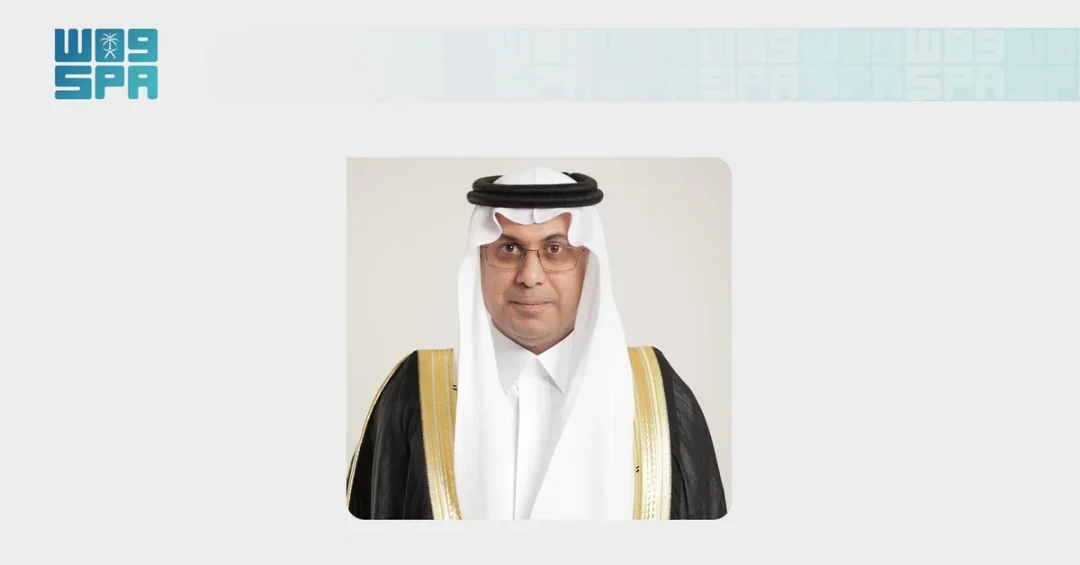
Saudi EXIM Bank signed five agreements and cooperation arrangements with international financial and Export Credit Agencies during the 2026 Berne Union Annual General Meeting held in Tokyo, Japan, from November 16 to 19, 2026. The agreements, announced by the Saudi Press Agency, include three memoranda of understanding, a reinsurance agreement, and a term sheet for a $20 million credit facility with the Export-Import Bank of Pakistan. The signings mark a significant expansion of the Kingdom’s global trade finance network and underscore Saudi Arabia’s commitment to diversifying its economy beyond oil.
How does a single week of diplomacy in Tokyo translate into new opportunities for Saudi exporters and international partners? The agreements were signed by Eng. Saad A. Alkhalb, CEO of Saudi EXIM Bank, who led the bank’s delegation at the annual gathering of the world’s leading export credit and investment insurance organizations. The Berne Union, which brings together export credit agencies, insurers, and guarantee providers from around the globe, provided the platform for these strategic partnerships. The deals reflect Saudi EXIM Bank’s proactive approach to building a robust international network that supports the Kingdom’s non-oil export ambitions and aligns with the objectives of Saudi Vision 2030.
Context and Background
What is the significance of Saudi EXIM Bank’s participation in the Berne Union Annual General Meeting? The Berne Union is the world’s leading organization in export credit and investment insurance, and its annual general meeting serves as a critical forum for global export credit agencies to exchange knowledge, develop best practices, and forge partnerships. Saudi EXIM Bank’s active involvement in this year’s AGM in Tokyo demonstrates its commitment to integrating with the international export credit ecosystem and positioning the Kingdom as a key player in global trade finance.
Saudi EXIM Bank was established to support the growth of Saudi non-oil exports by providing financing, insurance, and guarantee solutions to exporters. Since its inception, the bank has sought to build a comprehensive network of international partnerships that facilitate access to global markets for Saudi products and services. The agreements signed in Tokyo are part of this ongoing strategy to expand cooperation with EXIM Banks, Export Credit Agencies, and investment guarantee institutions worldwide. These partnerships are essential for mitigating risks, sharing knowledge, and creating co-financing opportunities that benefit Saudi exporters.
The 2026 Berne Union AGM brought together representatives from dozens of countries, providing a unique opportunity for Saudi EXIM Bank to engage with counterparts from Europe, Asia, Africa, and multilateral organizations. The bank’s delegation held bilateral meetings with international institutions specializing in export credit insurance and financing, discussing cooperation opportunities and exploring new areas for collaboration. This active engagement reflects Saudi Arabia’s broader efforts to strengthen its international economic ties and promote non-oil trade as a pillar of its economic diversification strategy.
Key Details
What specific agreements were signed, and with whom? Eng. Saad A. Alkhalb signed three memoranda of understanding with the Export-Import Bank of the Slovak Republic (EXIMBANKA SR), the Vietnam Development Bank (VDB), and the Multilateral Investment Guarantee Agency (MIGA), a member of the World Bank Group. These MoUs aim to expand financial and commercial cooperation, develop trade opportunities, and boost trade flows between the Kingdom and the respective markets. The MoU with MIGA is particularly significant as it deepens engagement with multilateral institutions and explores joint initiatives in investment guarantees and risk management.
In addition to the MoUs, Alkhalb signed a Reinsurance Agreement with the Export Credit Insurance Corporation of South Africa (ECIC SA). This agreement supports Saudi EXIM Bank’s efforts to assist national companies in securing raw materials, production inputs, and capital goods from South Africa. Furthermore, a Term Sheet was signed with the Export-Import Bank of Pakistan (Pak EXIM) for an approved credit facility of $20 million. This term sheet marks a step toward providing financing solutions that ease Saudi non-oil exports to the Pakistani market, opening new avenues for trade between the two countries.
Alkhalb emphasized the importance of these agreements, stating: “Signing these agreements reflects the bank’s direction toward expanding its network of international partnerships and strengthening cooperation with EXIM Banks, Export Credit Agencies, and investment guarantee institutions worldwide, thereby contributing to the development of integrated financing, insurance and reinsurance solutions that meet the needs of national exporters and support their expansion into global markets.” He further explained that these partnerships represent an important step toward increasing co-financing opportunities, knowledge sharing, and best practices in risk management, trade finance, and insurance and reinsurance products and solutions.
International and Regional Impact
How do these agreements impact international trade and regional economic relations? The partnerships forged in Tokyo are set to enhance trade flows between Saudi Arabia and the partner countries, creating new opportunities for exporters and importers alike. The MoU with EXIMBANKA SR is expected to facilitate increased trade between the Kingdom and Slovakia, while the agreement with VDB aims to boost commercial ties with Vietnam, a rapidly growing economy in Southeast Asia. The reinsurance agreement with ECIC SA will support the import of essential goods from South Africa, ensuring that Saudi companies have reliable access to raw materials and capital goods.
The term sheet with Pak EXIM for a $20 million credit facility is particularly noteworthy as it provides concrete financing solutions for Saudi non-oil exports to Pakistan. This facility will help Saudi exporters overcome financial barriers and expand their presence in the Pakistani market. On a broader scale, these agreements strengthen Saudi Arabia’s economic diplomacy and reinforce its role as a reliable partner in the global trading system. They also contribute to the diversification of Saudi Arabia’s trade relationships, reducing dependence on traditional markets and opening new frontiers in Asia, Europe, and Africa.
Economic and Strategic Significance
Why do these agreements matter for Saudi Arabia’s economy and strategic objectives? The agreements signed by Saudi EXIM Bank are directly aligned with the Kingdom’s efforts to increase non-oil exports and reduce reliance on hydrocarbon revenues. By providing financing, insurance, and reinsurance solutions, the bank enables Saudi exporters to compete more effectively in international markets. The partnerships also facilitate knowledge transfer and capacity building, as Saudi EXIM Bank can learn from the best practices of established export credit agencies and multilateral institutions like MIGA.
Strategically, these agreements enhance Saudi Arabia’s soft power and economic influence. They demonstrate the Kingdom’s commitment to international cooperation and its ability to forge meaningful partnerships that benefit all parties involved. The involvement of MIGA, a World Bank Group member, adds a multilateral dimension that underscores Saudi Arabia’s integration into the global financial architecture. As Saudi Arabia continues to implement Vision 2030, such partnerships will be crucial for achieving the goal of raising non-oil exports as a share of non-oil GDP and creating a more diversified and resilient economy.
Vision 2030 Alignment
How do these agreements contribute to Saudi Vision 2030? Vision 2030 aims to diversify the Saudi economy, increase non-oil exports, and transform the Kingdom into a global investment powerhouse. Saudi EXIM Bank plays a vital role in this transformation by providing the financial tools and risk mitigation mechanisms that exporters need to succeed in international markets. The five agreements signed in Tokyo directly support the Vision’s objectives by expanding market access for Saudi products, enhancing trade finance capabilities, and fostering international partnerships.
By strengthening its network of international partnerships, Saudi EXIM Bank is helping to build a more resilient and diversified economy that can withstand global economic shocks. The bank’s efforts to support non-oil exports are essential for job creation, technology transfer, and sustainable development. As Saudi Arabia continues to pursue its ambitious Vision 2030 goals, the role of Saudi EXIM Bank will only grow in importance. These agreements represent a significant step forward in the Kingdom’s journey toward economic diversification and global integration, and they exemplify the proactive and forward-looking approach that defines Saudi Arabia’s modern economic diplomacy.
20 Questions
Q1. What is Saudi EXIM Bank?
A1. Saudi EXIM Bank is the Kingdom’s export-import bank, established to support Saudi non-oil exports by providing financing, insurance, and guarantee solutions to exporters. It plays a key role in achieving Vision 2030 economic diversification goals.
Q2. What event did Saudi EXIM Bank participate in?
A2. The bank participated in the 2026 Berne Union Annual General Meeting held in Tokyo, Japan, from November 16 to 19, 2026. The Berne Union is the world’s leading organization for export credit and investment insurance.
Q3. How many agreements were signed?
A3. Saudi EXIM Bank signed five agreements and cooperation arrangements: three memoranda of understanding, one reinsurance agreement, and one term sheet for a $20 million credit facility.
Q4. Who signed the agreements on behalf of Saudi EXIM Bank?
A4. Eng. Saad A. Alkhalb, CEO of Saudi EXIM Bank, signed the agreements. He led the bank’s delegation at the Berne Union AGM.
Q5. Which organizations signed MoUs with Saudi EXIM Bank?
A5. The MoUs were signed with the Export-Import Bank of the Slovak Republic (EXIMBANKA SR), Vietnam Development Bank (VDB), and the Multilateral Investment Guarantee Agency (MIGA), a member of the World Bank Group.
Q6. What is the purpose of the MoU with MIGA?
A6. The MoU with MIGA aims to deepen engagement with multilateral institutions and explore joint initiatives in investment guarantees and risk management, enhancing Saudi EXIM Bank’s capabilities.
Q7. What does the reinsurance agreement with ECIC SA cover?
A7. The reinsurance agreement with the Export Credit Insurance Corporation of South Africa supports Saudi companies in securing raw materials, production inputs, and capital goods from South Africa.
Q8. What is the value of the credit facility with Pak EXIM?
A8. The term sheet with the Export-Import Bank of Pakistan is for an approved credit facility of $20 million, aimed at easing Saudi non-oil exports to the Pakistani market.
Q9. What did Eng. Saad A. Alkhalb say about the agreements?
A9. Alkhalb stated that the agreements reflect the bank’s direction toward expanding international partnerships and developing integrated financing, insurance, and reinsurance solutions that meet the needs of national exporters.
Q10. How do these agreements support Saudi non-oil exports?
A10. They provide financing, insurance, and reinsurance solutions that reduce risks and enable Saudi exporters to expand into global markets, thereby increasing non-oil export volumes.
Q11. What is the Berne Union?
A11. The Berne Union is an international organization that brings together export credit agencies, insurers, and guarantee providers worldwide to exchange knowledge and develop best practices in export credit and investment insurance.
Q12. What bilateral meetings were held on the sidelines of the AGM?
A12. The Saudi EXIM Bank delegation held several bilateral meetings with international institutions specializing in export credit insurance and financing to discuss cooperation opportunities and activate existing partnerships.
Q13. How do these agreements align with Vision 2030?
A13. They support Vision 2030’s goal of diversifying the economy by boosting non-oil exports, enhancing trade finance, and fostering international partnerships that create jobs and drive sustainable growth.
Q14. What are the benefits for Saudi exporters?
A14. Saudi exporters gain access to new markets, financing solutions, risk mitigation tools, and reinsurance products that make their products more competitive internationally.
Q15. Which countries are involved in these agreements?
A15. The agreements involve Slovakia, Vietnam, South Africa, and Pakistan, as well as MIGA, a multilateral institution. This expands Saudi Arabia’s trade network across Europe, Asia, and Africa.
Q16. What is the significance of the MoU with EXIMBANKA SR?
A16. The MoU with EXIMBANKA SR aims to expand financial and commercial cooperation and develop trade opportunities that boost trade flows between Saudi Arabia and Slovakia.
Q17. How does the agreement with VDB benefit Saudi Arabia?
A17. The MoU with Vietnam Development Bank aims to expand financial and commercial cooperation, enhancing trade opportunities between Saudi Arabia and Vietnam, a rapidly growing economy.
Q18. What is the role of reinsurance in these agreements?
A18. Reinsurance helps Saudi EXIM Bank manage risk and provide enhanced insurance coverage for exporters, enabling them to take on larger projects and enter new markets with confidence.
Q19. What future cooperation is expected from these agreements?
A19. Future cooperation includes co-financing opportunities, knowledge sharing, best practices in risk management, and the development of new financial products to support Saudi non-oil exports.
Q20. How does Saudi EXIM Bank plan to build on these agreements?
A20. Saudi EXIM Bank will continue to build high-quality partnerships that contribute to achieving Vision 2030 objectives, expanding its global network and supporting Saudi exporters in accessing international markets.
Reader Feedback
We value your thoughts. Please share your feedback on this article.
Your feedback helps us improve our coverage.
Related articles
 SAMA Licenses SPL ANT Saudi for E-Wallet Services
 KAUST Startups Raise $1.4B, Driving Saudi Venture Growth
 Princess Sarah Discusses India’s Potential IDC Membership
 GCC Petrochemical Industry Key Pillar of Economic Development
 Madinah’s 70+ Organic Farms Boost Sustainable Food Production
 Foodex Saudi 2026 Opens in Jeddah with 800+ Brands