


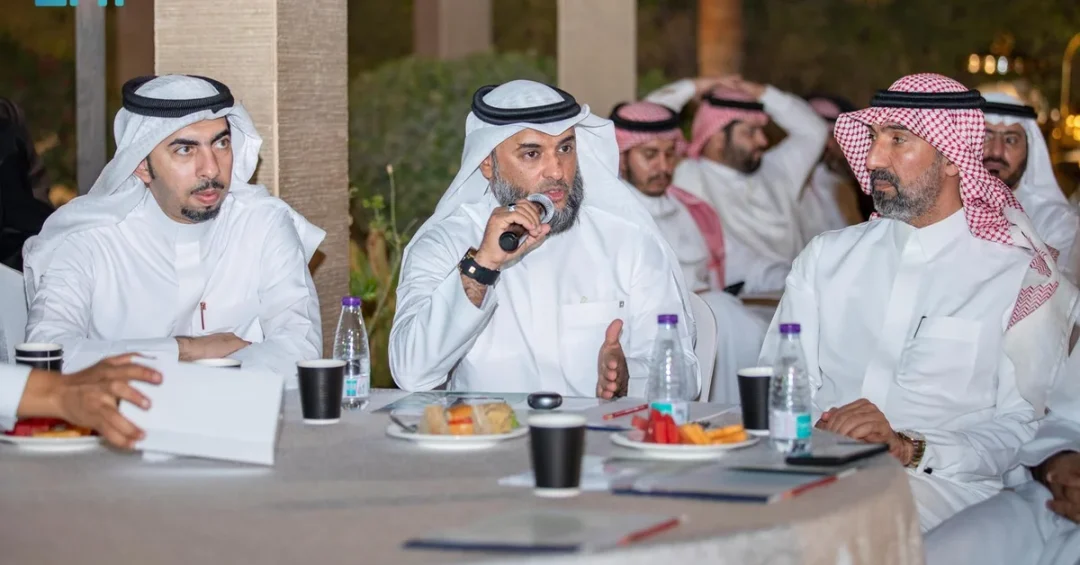
The Ministry of Environment, Water, and Agriculture has taken a significant step toward enhancing the Kingdom’s food security by hosting a specialized workshop for broiler pigeon breeders in Riyadh. The event, held on October 13, 2024, aimed to equip breeders with the knowledge and skills necessary to raise domestic production of broiler pigeons to 16 million birds annually, equivalent to 12,000 tons of meat. This initiative aligns with Saudi Arabia’s Vision 2030 goals to diversify the economy and reduce reliance on imports, while promoting sustainable agriculture and protein diversity.
Broiler pigeon breeding is emerging as a promising sector in Saudi Arabia, offering a sustainable source of protein and contributing to the Kingdom’s broader food security objectives. By investing in this sector, the Ministry aims to achieve national targets while preserving natural resources. How does such a specialized focus on poultry production reflect Saudi Arabia’s forward-thinking approach to agriculture? The workshop underscores the Ministry’s commitment to empowering local breeders and fostering collaboration with academic institutions to drive innovation.
Context and Background
Saudi Arabia has long prioritized food security as a cornerstone of its national strategy, recognizing the importance of self-sufficiency in key commodities. The Ministry of Environment, Water, and Agriculture has been at the forefront of these efforts, launching various programs to boost domestic production and reduce dependence on imports. The broiler pigeon sector, though niche, holds significant potential due to its cultural and economic relevance in the region. Why is it crucial for the Kingdom to diversify its protein sources? By tapping into traditional practices and modernizing them, the Ministry aims to create a sustainable and economically viable industry.
The workshop in Riyadh brought together breeders, experts, and officials to discuss best practices in broiler pigeon breeding, including feeding, health management, and breeding techniques. It also emphasized the importance of research and development, with the Ministry highlighting collaboration with Saudi universities to study the productive and economic aspects of this sector. This approach aligns with Vision 2030’s emphasis on innovation and knowledge transfer. How can such partnerships accelerate the growth of the agricultural sector? By integrating scientific research with practical application, the Ministry seeks to enhance efficiency and productivity, ensuring that breeders can meet the ambitious target of 16 million birds annually.
Historically, pigeon breeding has been a part of Saudi heritage, particularly in rural areas where it served both as a food source and a cultural symbol. Modernizing this practice through broiler pigeon production represents a blend of tradition and innovation, creating opportunities for local communities while contributing to national goals. The Ministry’s focus on this sector also reflects a broader trend of leveraging traditional knowledge to address contemporary challenges. What role does cultural heritage play in shaping modern agricultural policies? By honoring these traditions, the Kingdom can foster a sense of ownership and pride among local breeders, driving greater participation and success.
Key Details of the Workshop
The workshop provided a comprehensive overview of broiler pigeon breeding, covering topics such as housing, nutrition, disease prevention, and market strategies. Participants received guidance on how to increase production efficiency and meet the growing demand for poultry products. The Ministry stressed the importance of adopting modern breeding techniques to achieve the target of 16 million birds annually, which would significantly contribute to the Kingdom’s meat supply. How can such targeted training programs transform the livelihoods of breeders? By equipping them with the latest knowledge, the Ministry ensures that they can operate at optimal levels, boosting both output and profitability.
In addition to technical training, the workshop highlighted the economic benefits of broiler pigeon breeding. With the potential to generate 12,000 tons of meat per year, this sector can play a vital role in reducing imports and stabilizing food prices. The Ministry also underscored the need for collaboration with Saudi universities to conduct research that supports the productive and economic aspects of broiler pigeon breeding. This includes studying genetics, feed conversion rates, and market dynamics. Why is research and development essential for sustaining agricultural growth? By investing in R&D, the Kingdom can stay ahead of challenges such as climate change and resource scarcity, ensuring long-term viability.
Furthermore, the workshop addressed the environmental benefits of broiler pigeon breeding, which requires fewer resources compared to larger livestock. This makes it an attractive option for sustainable agriculture, aligning with Vision 2030’s environmental goals. The Ministry emphasized that by promoting this sector, Saudi Arabia can achieve its national targets while preserving natural resources for future generations. How does sustainable agriculture contribute to the Kingdom’s overall resilience? By adopting eco-friendly practices, Saudi Arabia can balance economic growth with environmental stewardship, setting an example for the region.
International and Regional Impact
Saudi Arabia’s efforts to boost broiler pigeon production have implications beyond its borders, particularly in the Middle East where food security is a pressing concern. By increasing domestic production, the Kingdom can reduce its reliance on imports, which are vulnerable to global market fluctuations and supply chain disruptions. This not only strengthens national security but also positions Saudi Arabia as a leader in regional food security initiatives. How can the Kingdom’s success inspire neighboring countries? By sharing best practices and fostering collaboration, Saudi Arabia can contribute to a more stable and self-sufficient region.
Regionally, the broiler pigeon sector could become a model for other Gulf Cooperation Council (GCC) countries seeking to diversify their agricultural output. The Ministry’s emphasis on research and university partnerships sets a precedent for knowledge-driven development. Additionally, the focus on sustainable practices aligns with global trends toward environmentally friendly farming. What lessons can other nations learn from Saudi Arabia’s approach? By combining tradition with innovation, the Kingdom demonstrates that even small-scale sectors can have a big impact on food security and economic diversification.
On the international stage, Saudi Arabia’s commitment to food security resonates with global efforts to achieve the United Nations Sustainable Development Goals (SDGs), particularly Zero Hunger (SDG 2). By increasing domestic production and reducing imports, the Kingdom contributes to a more stable global food system. The workshop also reflects Saudi Arabia’s broader strategy to enhance its soft power through agricultural diplomacy. How does food security influence international relations? By ensuring a stable food supply, nations can bolster their geopolitical standing and foster cooperation with allies.
Economic and Strategic Significance
The economic potential of broiler pigeon breeding is substantial, with the sector poised to generate significant revenue and employment opportunities. By targeting 16 million birds annually, the Ministry aims to create a robust value chain that includes breeders, feed suppliers, processors, and retailers. This can stimulate rural development and provide a sustainable income for local communities. Why is it important to support small-scale producers? By empowering them, the Kingdom can achieve inclusive growth that benefits all segments of society, in line with Vision 2030’s social goals.
Strategically, reducing reliance on imports is a key objective for Saudi Arabia, as it enhances national resilience against external shocks. The broiler pigeon sector offers a viable alternative to imported poultry, which is often subject to price volatility and logistical challenges. By investing in domestic production, the Kingdom can achieve greater control over its food supply chain. How does self-sufficiency contribute to national security? A stable food supply is essential for maintaining social stability and economic prosperity, making it a critical component of Saudi Arabia’s strategic planning.
Moreover, the sector’s growth can attract private investment and foster entrepreneurship, particularly among youth and women. The Ministry’s support for training and research creates an enabling environment for startups and small businesses. This aligns with Vision 2030’s goal to diversify the economy and create jobs. What role can entrepreneurship play in transforming agriculture? By encouraging innovation, Saudi Arabia can unlock new opportunities and drive sustainable development.
Vision 2030 Alignment
The broiler pigeon breeding initiative is a clear reflection of Vision 2030’s objectives, particularly in the areas of food security, economic diversification, and sustainable development. By boosting domestic production, the Kingdom reduces its reliance on imports and enhances its resilience against global market disruptions. This aligns with the Vision’s goal to ensure a stable and secure food supply for all citizens. How does this initiative contribute to the Kingdom’s long-term vision? By fostering self-sufficiency, Saudi Arabia can achieve greater economic independence and improve the quality of life for its people.
Furthermore, the Ministry’s collaboration with universities and emphasis on research underscore Vision 2030’s focus on innovation and knowledge transfer. By investing in human capital and technology, the Kingdom can modernize its agricultural sector and create a competitive advantage. The workshop also promotes sustainable practices that preserve natural resources, in line with the Vision’s environmental goals. What does this mean for future generations? A sustainable and prosperous agricultural sector will provide opportunities for generations to come, ensuring that Saudi Arabia remains a leader in the region and beyond.
20 Questions
Q1. What was the purpose of the workshop hosted by the Ministry of Environment, Water, and Agriculture?
A1. The workshop aimed to equip broiler pigeon breeders with the knowledge and skills to increase domestic production to 16 million birds annually, equivalent to 12,000 tons of meat, supporting food security and Vision 2030.
Q2. How does broiler pigeon breeding contribute to Saudi Arabia’s food security?
A2. It increases domestic production of poultry, reducing reliance on imports and diversifying protein sources. This enhances national food security and ensures a stable supply of meat for the Kingdom’s population.
Q3. What is the target production for broiler pigeons in Saudi Arabia?
A3. The Ministry aims to raise production to 16 million birds annually, which would yield approximately 12,000 tons of meat, significantly boosting the domestic supply and reducing imports.
Q4. Why is the Ministry emphasizing collaboration with Saudi universities?
A4. Collaboration with universities supports research on productive and economic aspects of broiler pigeon breeding, fostering innovation and knowledge transfer. This helps optimize breeding techniques and ensures sustainable growth of the sector.
Q5. How does broiler pigeon breeding align with Vision 2030?
A5. It aligns with Vision 2030’s goals of economic diversification, food security, and sustainable development. By boosting domestic production, the Kingdom reduces imports and strengthens its agricultural sector.
Q6. What are the environmental benefits of broiler pigeon breeding?
A6. Broiler pigeon breeding requires fewer resources compared to larger livestock, making it a sustainable option. It supports eco-friendly agriculture and helps preserve natural resources for future generations.
Q7. How can broiler pigeon breeding benefit local communities?
A7. It creates employment opportunities, stimulates rural development, and provides a sustainable income for breeders. This fosters inclusive growth and improves livelihoods across the Kingdom.
Q8. What role do modern breeding techniques play in this initiative?
A8. Modern techniques enhance efficiency, productivity, and disease management. They enable breeders to meet production targets and ensure high-quality output, contributing to the sector’s overall success.
Q9. How does this initiative reduce reliance on imports?
A9. By increasing domestic production, the Kingdom can meet more of its poultry demand locally, reducing dependence on foreign suppliers and enhancing national resilience against global market fluctuations.
Q10. What economic opportunities does broiler pigeon breeding create?
A10. It generates revenue, creates jobs, and attracts private investment. The sector supports entrepreneurs and small businesses, contributing to economic diversification and growth.
Q11. Why is food security a priority for Saudi Arabia?
A11. Food security ensures a stable supply of essential goods, supports social stability, and enhances national security. It is a cornerstone of Vision 2030 and the Kingdom’s long-term strategy.
Q12. How can other countries benefit from Saudi Arabia’s experience?
A12. They can learn from the Kingdom’s approach to sustainable agriculture and food security, adopting similar strategies to enhance their own production and reduce imports.
Q13. What support is available for broiler pigeon breeders?
A13. The Ministry provides training, resources, and research support. It also facilitates collaboration with universities and promotes best practices to help breeders succeed and expand their operations.
Q14. How does this initiative contribute to sustainable agriculture?
A14. It promotes resource-efficient farming, reduces environmental impact, and ensures long-term viability. Sustainable practices align with Vision 2030’s environmental goals and global sustainability trends.
Q15. What is the significance of the 12,000 tons of meat target?
A15. It represents a substantial contribution to the Kingdom’s meat supply, reducing imports and enhancing food security. This target demonstrates the sector’s potential to meet national demand.
Q16. How can technology enhance broiler pigeon breeding?
A16. Technology improves breeding, feeding, and health monitoring, increasing efficiency and output. It also enables data-driven decisions, helping breeders optimize production and reduce costs.
Q17. What are the cultural aspects of pigeon breeding in Saudi Arabia?
A17. Pigeon breeding has historical and cultural significance in the Kingdom, particularly in rural areas. Modernizing this tradition honors heritage while contributing to contemporary food security goals.
Q18. How does the Ministry plan to achieve its production target?
A18. Through training, research, and collaboration with universities, the Ministry aims to equip breeders with modern techniques and resources, enabling them to increase production efficiently and sustainably.
Q19. What impact does this initiative have on Saudi Arabia’s global standing?
A19. It strengthens the Kingdom’s reputation as a leader in food security and sustainable agriculture, enhancing its soft power and fostering international cooperation in these critical areas.
Q20. What is the long-term vision for broiler pigeon breeding in Saudi Arabia?
A20. The long-term vision is to establish a robust, self-sufficient sector that contributes to food security, economic diversification, and sustainable development, aligning with Vision 2030’s overarching goals.
Reader Feedback
We value your thoughts. Please share your feedback on this article.
Your feedback helps us improve our coverage.
Related articles
 KSIADC, ewpartners Sign MoU for E-commerce Logistics Zone
 GCC Expansion Key Focus for Global Countries: Albudaiwi
 GEA and SDB Partner to Empower Cottage Industry During Riyadh Season
 Madinah Buildex 2024 Sees Widespread Attendance
 PIF Launches sarcc to Transform Staff Accommodation in Saudi
 ADF Joins 41st Saudi Agriculture Exhibition in Riyadh