


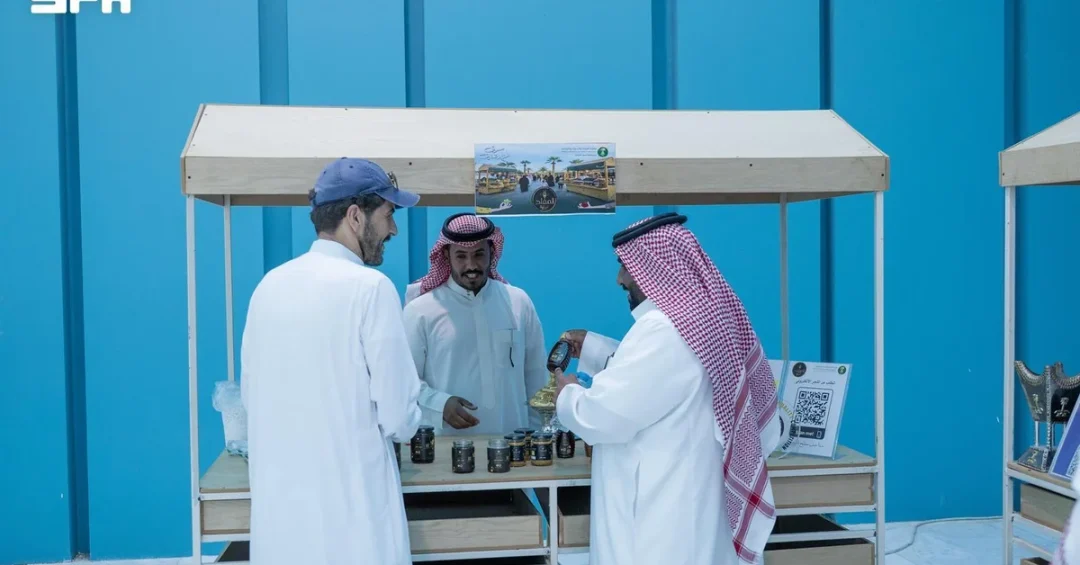
The Ministry of Environment, Water and Agriculture launched the Farmers’ Market Festival in Rafha on August 6, 2026, bringing together government and non-government entities for a four-day event designed to support local farmers and productive families across the Northern Borders Region. The festival, organized by the ministry’s Northern Borders Region branch, opened with the participation of several public and private partners and is being held under the umbrella of Saudi Arabia’s broader efforts to strengthen domestic agricultural production and food security.
The event provides direct sales outlets for locally produced agricultural goods, allowing farmers and productive families to market their products without intermediaries. According to the Saudi Press Agency, the festival also showcases the high-quality agricultural products for which Rafha is known, including dates, vegetables, fruits, honey, and other rural and food products. Awareness and guidance programs running alongside the market highlight sustainable agricultural practices and emphasize the importance of supporting local production to advance agricultural development and food security objectives. The ministry’s branch invited the public to visit the festival and benefit from its activities, which support local farmers and producers and encourage the consumption of national products. But why does a four-day market festival in a northern border city matter for the Kingdom’s long-term economic and food security strategy?
Context and Background
Rafha is a governorate in the Northern Borders Region, an area that shares borders with Iraq and Jordan and has historically served as an agricultural and commercial hub for communities in Saudi Arabia’s far north. The region’s climate and geography support the cultivation of dates, vegetables, fruits, and honey production, making it a natural location for a festival that celebrates local agricultural output. The Ministry of Environment, Water and Agriculture has been expanding its regional outreach through branches such as the one in the Northern Borders Region, which organized this event as part of a nationwide effort to connect producers with consumers and strengthen rural economies.
The Farmers’ Market Festival is not an isolated initiative. It reflects a deliberate policy direction in Saudi Arabia to support productive families, small-scale farmers, and rural entrepreneurs by giving them direct access to markets. The ministry has consistently emphasized that reducing the number of intermediaries between producers and consumers increases the economic value retained by farmers and improves the competitiveness of national products. In a country that imports a significant share of its food, every initiative that boosts domestic production contributes to the broader goal of food security. How does a local festival translate into national resilience?
The timing of the festival, in August 2026, coincides with ongoing efforts across Saudi Arabia to modernize the agricultural sector through technology, sustainable water management, and market development. The Northern Borders Region, while less densely populated than the Kingdom’s major urban centers, plays a strategic role in national food production and border-area development. By hosting a festival that brings together farmers, government agencies, and the public, the ministry is reinforcing the idea that agricultural development is a shared national priority, not just a concern for major agricultural companies or central regions.
Key Details
The four-day festival features pavilions displaying a wide range of local products, including dates, vegetables, fruits, honey, and other rural and food products. These pavilions serve as direct sales outlets, meaning consumers can purchase goods directly from farmers and productive families. This model is particularly important for small producers who may lack the logistics or capital to reach larger urban markets. The festival also includes awareness and guidance programs that highlight sustainable agricultural practices, such as efficient irrigation, soil conservation, and responsible use of resources. These programs are designed to educate both producers and consumers about the importance of supporting local production.
Several government and non-government entities are participating in the festival, according to the Saudi Press Agency. While the specific names of all participating entities were not detailed in the official announcement, the involvement of multiple partners underscores the collaborative approach that Saudi Arabia takes toward agricultural development. The Ministry of Environment, Water and Agriculture’s Northern Borders Region branch is the lead organizer, and its invitation to the public signals that the event is open to all residents and visitors. The festival aims to support local farmers and productive families by increasing the economic value of national products and promoting the marketing of locally produced agricultural goods.
The ministry’s branch emphasized that the festival showcases the high-quality agricultural products that Rafha is known for. This is a point of local pride and also a marketing strategy: by associating the region with specific high-quality products, the festival helps build brand recognition for Rafha’s agricultural output. For consumers, the direct sales model offers freshness, traceability, and often better prices. For producers, it offers a rare opportunity to interact with customers, gather feedback, and build a loyal clientele. What could be more valuable for a small farmer than a direct relationship with the people who buy their food?
International and Regional Impact
While the Farmers’ Market Festival in Rafha is a local event, its implications extend beyond the Northern Borders Region. Saudi Arabia’s push for greater food self-sufficiency is part of a broader regional trend in the Middle East, where countries are investing in agricultural technology, sustainable farming, and local food systems to reduce dependence on imports. The Kingdom’s efforts are closely watched by international partners and investors who see Saudi agriculture as a growing sector with potential for collaboration in areas such as smart farming, water efficiency, and food processing.
For neighboring countries, the festival is a reminder that Saudi Arabia is actively developing its border regions, including areas near Iraq and Jordan. Economic activity in Rafha and similar cities contributes to regional stability and cross-border trade. The direct sales model promoted at the festival could also inspire similar initiatives in other parts of the region, where small farmers often face similar challenges in accessing markets. International observers may view the festival as a small but meaningful example of how Saudi Arabia is translating its Vision 2030 goals into tangible local projects.
The event also aligns with Saudi Arabia’s commitments to the United Nations Sustainable Development Goals, particularly those related to zero hunger, decent work, and responsible consumption and production. By supporting local farmers and productive families, the festival contributes to rural development and reduces the carbon footprint associated with transporting food over long distances. These are the kinds of practical, community-level actions that add up to national and global impact. Isn’t that the essence of sustainable development?
Economic and Strategic Significance
The economic significance of the Farmers’ Market Festival lies in its direct support for local producers. By creating direct sales outlets, the festival helps farmers capture a larger share of the final retail price, which in turn increases their income and incentivizes continued production. Productive families, many of which are led by women or small-scale entrepreneurs, benefit from a low-barrier entry point into the market. The festival also stimulates the local economy by attracting visitors to Rafha, who may spend money on transportation, food, and other goods and services during their visit.
Strategically, the festival supports Saudi Arabia’s food security objectives. The Kingdom has made food security a central pillar of its national strategy, recognizing that reliance on global supply chains carries risks. By promoting domestic production and consumption of national products, the festival contributes to a more resilient food system. The Ministry of Environment, Water and Agriculture has been tasked with balancing agricultural development with the sustainable use of water resources, a critical challenge in an arid country. Festivals like this one help raise awareness of sustainable practices while also delivering immediate economic benefits to producers.
The event also strengthens the relationship between the government and rural communities. When the ministry’s regional branch actively organizes and promotes a festival, it signals that the state values the contributions of farmers and productive families. This can encourage more people to enter or remain in agriculture, which is important for the long-term viability of the sector. Moreover, the festival provides a platform for government agencies to share information about support programs, subsidies, and training opportunities that farmers might not otherwise know about. How many potential innovations might emerge from a simple conversation between a farmer and an agricultural extension officer at a festival?
Vision 2030 Alignment
The Farmers’ Market Festival in Rafha aligns directly with Saudi Vision 2030’s goals of diversifying the economy, supporting small and medium enterprises, and enhancing food security. Vision 2030 emphasizes the importance of empowering the private sector and local communities, and this festival does both by giving small producers a market platform and encouraging entrepreneurship among productive families. It also supports the Vision’s quality-of-life objectives by creating community events that bring people together and celebrate local heritage and products.
Furthermore, the festival reflects the Vision’s focus on sustainable development and environmental stewardship. The awareness programs on sustainable agricultural practices are consistent with the Kingdom’s broader environmental goals, including the Saudi Green Initiative, which aims to combat desertification, improve water management, and increase green cover. By promoting local production, the festival also reduces the need for long-distance food transport, contributing to lower emissions and a smaller environmental footprint. In these ways, a four-day market in Rafha is a microcosm of the larger transformation that Vision 2030 seeks to achieve across the Kingdom.
The Ministry of Environment, Water and Agriculture’s continued investment in regional festivals and direct-to-consumer markets demonstrates a long-term commitment to rural development. As Saudi Arabia continues to modernize its agricultural sector, events like this will remain important for connecting producers with consumers, sharing knowledge, and building pride in national products. The success of the Rafha festival could serve as a model for other regions, potentially leading to a network of similar markets across the Kingdom. What better way to build a resilient, prosperous, and food-secure future than by starting at the local level?
20 Questions
Q1. What is the Farmers’ Market Festival in Rafha?
A1. It is a four-day event launched by the Ministry of Environment, Water and Agriculture’s Northern Borders Region branch to support local farmers and productive families by providing direct sales outlets for agricultural products.
Q2. When and where did the festival take place?
A2. The festival was launched on August 6, 2026, in Rafha, a governorate in the Northern Borders Region of Saudi Arabia, and ran for four days with participation from several government and non-government entities.
Q3. Which government body organized the festival?
A3. The Ministry of Environment, Water and Agriculture organized the festival through its Northern Borders Region branch, which invited the public to visit and benefit from the event’s activities.
Q4. What products are showcased at the festival?
A4. The festival features pavilions displaying dates, vegetables, fruits, honey, and other rural and food products that Rafha is known for, highlighting the region’s high-quality agricultural output.
Q5. What is the main goal of the festival?
A5. The primary goal is to support local farmers and productive families by promoting the marketing of locally produced agricultural products through direct sales outlets, thereby increasing the economic value of national products.
Q6. How does the festival support food security?
A6. By encouraging domestic production and consumption of national products, the festival contributes to Saudi Arabia’s food security objectives and reduces reliance on imported food, strengthening national resilience.
Q7. What are productive families in the Saudi context?
A7. Productive families are small-scale household-based producers, often led by women, who create and sell goods such as food products, crafts, and agricultural items, and are supported by government initiatives.
Q8. What awareness programs are included in the festival?
A8. The festival includes awareness and guidance programs that highlight sustainable agricultural practices and emphasize the importance of supporting local production to advance agricultural development and food security objectives.
Q9. Why is Rafha an important location for this festival?
A9. Rafha is a key agricultural area in the Northern Borders Region, known for producing dates, vegetables, fruits, and honey, making it a fitting location to showcase local agricultural output and support rural communities.
Q10. Who can attend the festival?
A10. The festival is open to the public, as the ministry’s branch invited all residents and visitors to attend and benefit from its activities, which support local farmers and encourage consumption of national products.
Q11. How does the festival help local farmers economically?
A11. By providing direct sales outlets, the festival allows farmers to sell directly to consumers, increasing their share of the final price and reducing dependence on intermediaries, which boosts their income.
Q12. What role do government entities play in the festival?
A12. Several government and non-government entities participate in the festival, collaborating with the Ministry of Environment, Water and Agriculture to support local producers and promote agricultural development.
Q13. How does the festival align with Vision 2030?
A13. The festival aligns with Vision 2030 by supporting small and medium enterprises, empowering local communities, enhancing food security, and promoting sustainable development and quality-of-life initiatives.
Q14. What sustainable agricultural practices are promoted?
A14. The awareness programs promote practices such as efficient irrigation, soil conservation, and responsible use of natural resources, which are essential for sustainable agriculture in Saudi Arabia’s arid climate.
Q15. What impact does the festival have on the local economy?
A15. The festival stimulates the local economy by attracting visitors to Rafha and providing farmers and productive families with income opportunities, which can be reinvested in their communities.
Q16. How does the festival promote national products?
A16. By showcasing and selling locally produced goods, the festival raises awareness of the quality and variety of national products and encourages consumers to choose Saudi-made agricultural items.
Q17. What is the significance of direct sales for consumers?
A17. Direct sales offer consumers fresher products, greater traceability, and often better prices, while also allowing them to support local farmers and contribute to the local economy.
Q18. Are there similar festivals in other regions of Saudi Arabia?
A18. Yes, the Ministry of Environment, Water and Agriculture organizes similar events across various regions to support local farmers and productive families, reflecting a nationwide strategy for agricultural development.
Q19. How does the festival contribute to rural development?
A19. By supporting farmers and productive families, the festival helps sustain rural livelihoods, encourages youth and women to engage in agriculture, and strengthens the economic fabric of rural communities.
Q20. What is the long-term vision for such initiatives?
A20. The long-term vision is to build a resilient, food-secure Saudi Arabia with a thriving agricultural sector that leverages local production, sustainable practices, and community engagement to achieve Vision 2030 goals.
Reader Feedback
We value your thoughts. Please share your feedback on this article.
Your feedback helps us improve our coverage.
Related articles
 Saudi-Supervised Solar Agreements Signed for Syria Projects
 SAMA Licenses Manasat Wasl for Finance Aggregation
 Jeddah to Host Fifth SEREDO Real Estate Expo in September
 Tabuk Leads Saudi Grape Production with 40% Share
 Tabuk Leads Saudi Grape Production with 40% Share
 Al-Baha Goodness Festival Concludes With Strong Turnout