


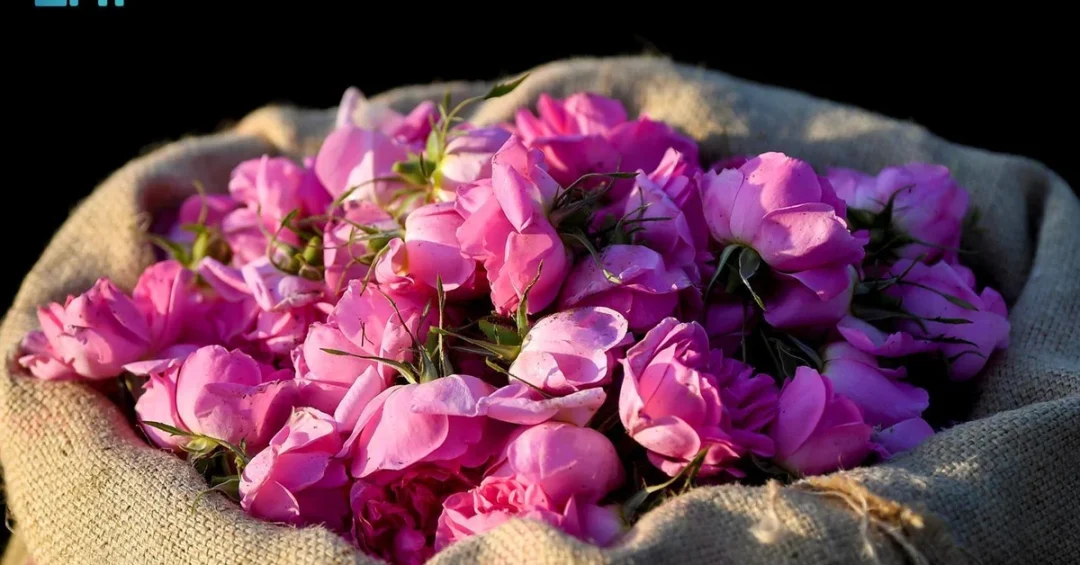
The production season of Taif rose oil, known locally as Tola, has officially begun across the high peaks of Taif’s mountains, with nearly 70 factories and workshops now operating to extract and produce more than 80 derivatives of the famed Taif rose, according to the Saudi Press Agency (SPA). The annual harvest, which transforms over 550 million roses into one of the Kingdom’s most distinctive cultural and economic symbols, marks a significant moment for Saudi Arabia’s agricultural heritage and its growing presence in international luxury markets.
Have you ever wondered how a single flower can carry the weight of centuries of tradition while also driving modern economic growth? The Taif rose, cultivated in the cool, elevated terraces of the Sarawat Mountains, represents exactly that duality. Each spring, as the roses bloom, families and workers across the region engage in a precise, time-honored process of distillation and preparation that has been passed down through generations. This year’s season, announced on April 6, 2025, by the official Saudi news agency, underscores the enduring vitality of this sector and its alignment with the Kingdom’s broader Vision 2030 objectives of economic diversification and cultural preservation.
Context and Background
Why does the Taif rose hold such a revered place in Saudi culture and commerce? The answer lies in a combination of geography, history, and meticulous craftsmanship. Taif, a city located in the Makkah Province at an elevation of approximately 1,800 meters, offers a unique microclimate characterized by cool nights, warm days, and fertile volcanic soil. These conditions are ideal for the Rosa damascena variety, which has been cultivated in the region for centuries. The rose fields, often terraced into the mountainsides, produce blooms that are harvested at dawn, when their essential oils are most concentrated.
According to farmer Khalaf Al-Tuwairqi, whose family has been in the rose oil business for generations, the traditions surrounding Tola production are deeply rooted. “Families in the past began rose picking at dawn and continued until sunrise,” he told the Saudi Press Agency. Al-Tuwairqi learned the art of distillation from his father, who established a traditional workshop on their farm. This intergenerational transfer of knowledge ensures that the techniques remain authentic, even as the industry expands. The season typically runs from late March to early May, with the peak harvest occurring in April. The timing is critical: roses must be processed immediately after picking to preserve their fragrance and chemical integrity.
The scale of the operation is impressive. Taif’s farms collectively produce over 550 million roses annually, and the region is home to nearly 70 factories and workshops dedicated to extraction. These facilities produce more than 80 derivatives, including pure rose oil, rose water, perfumes, cosmetics, and culinary products. The Tola itself is the pure, concentrated oil that floats atop the distillate, and it is considered one of the most precious aromatic substances in the world. Its value is derived not only from its exquisite scent but also from the labor-intensive process required to produce even a small quantity.
Key Details of the Production Process
What exactly goes into the making of a single Tola of rose oil? Al-Tuwairqi explained that Tola is extracted immediately after harvesting, with 80,000 to 100,000 roses placed each day into special copper pots. The quantity depends on the pot’s capacity and is measured using a scale. The process begins by lighting a fire beneath the pot to produce steam, which passes through a pipe in the pot’s lid and into a container of water. This step is crucial: the steam carries the volatile oils from the rose petals, and the water container cools and condenses the vapor into droplets. These droplets then flow into a narrow-necked bottle known as the Talqiyah, capable of holding 20 to 35 liters. The pure rose oil, being lighter than water, floats at the top of this container and is carefully skimmed off.
The efficiency of this method is remarkable, but it is also demanding. Al-Tuwairqi noted that their ancestors mastered the techniques of rose oil extraction, with one Tola requiring approximately 70,000 roses. Traditionally, this was done using fire pits built inside mud-brick structures ranging from one to three meters in length and about a meter in height. The vapor from rose petals was condensed into liquid form, which dripped into a glass container. The resulting oil was then bottled in small glass vials. This meticulous process yields both fragrant rose oil and rose water, both of which are widely used for perfuming, culinary applications, and other purposes. The rose water, a byproduct of distillation, is particularly popular in Middle Eastern cuisine and religious practices.
Modern producers have adapted some of these traditional methods while maintaining the core principles. Stainless steel and copper stills are now common, and temperature control has been refined to optimize yield and quality. However, the essence of the craft remains unchanged: it is a race against time to capture the fleeting fragrance of the Taif rose. The entire process, from picking to distillation, must be completed within hours to prevent fermentation and loss of aroma. This urgency adds to the mystique and value of the final product.
International and Regional Impact
How does a regional agricultural tradition translate into global influence? The Taif rose industry is a prime example of how Saudi Arabia is leveraging its unique natural assets to compete in high-value international markets. Taif rose oil and its derivatives are exported to Europe, Asia, and North America, where they are prized by perfumers, cosmetic companies, and gourmet food producers. The oil’s complex scent profile—often described as honeyed, spicy, and deeply floral—makes it a sought-after ingredient in luxury fragrances. In recent years, Saudi entrepreneurs have launched niche brands that highlight the provenance and heritage of Taif roses, appealing to consumers who value authenticity and sustainability.
Regionally, the season provides economic opportunities for thousands of families in Taif and surrounding areas. The harvest and distillation phases create temporary employment, while the year-round processing and marketing of derivatives support a broader supply chain. The industry also attracts tourists, particularly during the Taif Rose Festival, an annual event that celebrates the harvest with cultural performances, markets, and guided tours of the rose farms. This fusion of agriculture, tourism, and heritage reinforces Saudi Arabia’s position as a destination for experiential travel. Furthermore, the success of Taif rose products contributes to the Kingdom’s non-oil export diversification, a key pillar of Vision 2030.
The international appeal of Taif rose oil also carries soft power implications. When global consumers purchase a bottle of Taif rose perfume, they are engaging with Saudi culture in a tangible way. This cultural diplomacy complements the Kingdom’s broader efforts to promote its heritage through initiatives like the Saudi Seasons and the Diriyah Biennale. By sharing its aromatic traditions with the world, Saudi Arabia fosters understanding and appreciation, aligning with the Vision 2030 goal of enhancing the Kingdom’s global image.
Economic and Strategic Significance
Why is the Taif rose sector considered strategically important beyond its immediate revenues? The answer lies in its contribution to rural development, women’s empowerment, and innovation. Many of the farms and workshops are family-run, and women play a significant role in the harvesting and sorting of roses, as well as in the packaging and marketing of finished products. The industry thus supports inclusive growth, a core objective of Vision 2030. Additionally, the sector has attracted investment in research and development, with Saudi universities and agricultural centers studying ways to improve yields, disease resistance, and distillation efficiency. These efforts aim to preserve the genetic heritage of the Taif rose while making the industry more competitive.
From a macroeconomic perspective, the Taif rose industry exemplifies the kind of high-value, niche agriculture that Saudi Arabia seeks to expand as part of its economic diversification strategy. Unlike bulk commodities, rose oil commands premium prices, and the Kingdom has a natural monopoly on the specific variety grown in Taif. By investing in branding, quality control, and international certification, Saudi producers can capture more value and create lasting global demand. The sector also generates foreign exchange earnings and reduces reliance on oil exports, contributing to the goals of the Financial Sector Development Program and the National Industrial Development and Logistics Program.
Moreover, the Taif rose season has a multiplier effect on related sectors such as tourism, hospitality, and retail. Visitors who come for the rose harvest often stay in local hotels, dine in restaurants, and purchase souvenirs, boosting the local economy. The Saudi Tourism Authority has identified Taif as a key destination for heritage and nature tourism, and the rose season is a centerpiece of that offering. As the Kingdom continues to open up to international visitors through simplified visa regimes, the Taif rose experience is poised to become a must-see attraction.
Vision 2030 Alignment
How does the humble Taif rose connect to the grand ambitions of Saudi Vision 2030? At its core, Vision 2030 is about diversifying the economy, empowering citizens, and showcasing Saudi Arabia’s unique cultural identity to the world. The Taif rose industry embodies all three. It is a non-oil export that generates income and jobs. It preserves a traditional craft while embracing modern technology and market access. And it serves as a fragrant ambassador of Saudi heritage, inviting the world to discover the Kingdom’s rich history and natural beauty.
As the 2025 production season progresses, the nearly 70 factories and workshops across Taif’s mountains will continue their precise, time-honored work, transforming millions of roses into liquid gold. The Saudi Press Agency’s report highlights not only the scale of the operation but also the dedication of individuals like Khalaf Al-Tuwairqi, who carry forward the knowledge of their ancestors. Their efforts ensure that the Tola of Taif remains a symbol of Saudi excellence, a testament to the enduring value of tradition in a rapidly modernizing nation. In doing so, they contribute to a larger story: one of a Kingdom that honors its past while confidently shaping its future on the global stage.
20 Questions
Q1. What is Taif rose oil known as Tola?
A1. Tola is the pure, concentrated essential oil extracted from the petals of the Taif rose, a variety of Rosa damascena grown in the high mountains of Taif, Saudi Arabia. It is highly prized for its intense fragrance and is used in perfumes, cosmetics, and traditional products.
Q2. When does the Taif rose production season begin?
A2. The production season typically begins in late March and runs through early May, with the peak harvest in April. The 2025 season officially began on April 6, as reported by the Saudi Press Agency, marking the start of distillation activities across the region.
Q3. How many factories and workshops operate during the season?
A3. Nearly 70 factories and workshops are currently operating across the high peaks of Taif’s mountains. These facilities are dedicated to extracting and producing more than 80 derivatives of the Taif rose, including oil, water, and cosmetic products.
Q4. How many roses are produced annually in Taif?
A4. Taif’s farms produce over 550 million roses annually. This abundant harvest supports a thriving industry that transforms the flowers into high-value products for local and international markets, contributing to the region’s economy.
Q5. What is the traditional method of extracting Tola?
A5. The traditional method involves placing 80,000 to 100,000 roses into copper pots, heating them to produce steam, and channeling the vapor through a pipe into a water container where it condenses. The pure oil floats on top and is collected.
Q6. How many roses are needed to produce one Tola of oil?
A6. Approximately 70,000 roses are required to produce one Tola of pure rose oil. This high ratio explains the preciousness of the oil and the labor-intensive nature of its production, which has been refined over generations.
Q7. What is the Talqiyah?
A7. The Talqiyah is a narrow-necked bottle used to collect the condensed rose oil and water. It can hold 20 to 35 liters. The pure rose oil, being lighter than water, floats at the top and is carefully separated.
Q8. Who is Khalaf Al-Tuwairqi?
A8. Khalaf Al-Tuwairqi is a Taif farmer who learned the art of rose distillation from his father. He continues the family tradition and shared details of the process with the Saudi Press Agency, highlighting the heritage and precision involved.
Q9. What are some derivatives of the Taif rose?
A9. Derivatives include pure rose oil (Tola), rose water, perfumes, cosmetics, skincare products, and culinary flavorings. Over 80 different products are made, catering to both local and international demand for natural, luxurious ingredients.
Q10. Why is Taif ideal for rose cultivation?
A10. Taif’s high elevation, cool nights, warm days, and fertile soil create a unique microclimate that is perfect for growing Rosa damascena. The mountainous terrain and traditional terraced farming further enhance the quality of the roses.
Q11. How long has the Taif rose industry existed?
A11. The cultivation and distillation of Taif roses have been practiced for centuries, with knowledge passed down through generations. It is a deeply rooted cultural tradition that continues to thrive today as a symbol of Saudi heritage.
Q12. What is the economic impact of the Taif rose season?
A12. The season creates jobs, supports rural families, and generates revenue from exports. It also boosts tourism, as visitors attend the Taif Rose Festival and tour farms, contributing to the local and national economy.
Q13. Are Taif rose products exported internationally?
A13. Yes, Taif rose oil and its derivatives are exported to Europe, Asia, and North America. They are used in luxury perfumes, high-end cosmetics, and gourmet foods, earning a reputation for exceptional quality and authenticity.
Q14. How does the production process preserve the rose’s fragrance?
A14. Roses are picked at dawn and distilled immediately to prevent loss of volatile oils. The careful control of steam and condensation ensures that the delicate fragrance is captured efficiently, resulting in a highly aromatic final product.
Q15. What is the Taif Rose Festival?
A15. The Taif Rose Festival is an annual event that celebrates the harvest with cultural performances, markets, and farm tours. It attracts tourists and showcases the region’s heritage, further promoting the Taif rose as a symbol of Saudi culture.
Q16. How does the Taif rose industry align with Vision 2030?
A16. It supports economic diversification by generating non-oil exports, empowers rural communities and women, and promotes Saudi cultural heritage globally. These goals are central to Vision 2030’s objectives for a vibrant society and thriving economy.
Q17. What role do women play in the Taif rose industry?
A17. Women are involved in harvesting, sorting, and packaging, as well as in marketing and entrepreneurship. Their participation supports inclusive growth and aligns with Vision 2030’s focus on enhancing women’s economic opportunities.
Q18. How has modern technology improved Tola production?
A18. Modern producers use stainless steel stills, precise temperature controls, and quality testing to increase yield and consistency. However, traditional methods are still valued for their authenticity and the unique character they impart to the oil.
Q19. What makes Taif rose oil so expensive?
A19. The high cost is due to the labor-intensive process: it takes about 70,000 roses to produce a single Tola. Additionally, the short harvest window and the need for immediate distillation contribute to its rarity and premium price.
Q20. How can international consumers purchase Taif rose products?
A20. International consumers can find Taif rose products through specialty retailers, online luxury beauty platforms, and directly from Saudi brands that export. The Saudi Export Development Authority supports such businesses in reaching global markets.
Reader Feedback
We value your thoughts. Please share your feedback on this article.
Your feedback helps us improve our coverage.
Related articles
 ZATCA Urges Timely Filing of March Withholding Tax Forms
 Saudi Industry Shines at Hannover Messe 2025
 SIF Aims to Drive Sports Investment Growth in Saudi Arabia
 Mawani Adds Milaha Inta Gulf Express Service to Dammam Port
 Saudi Arabia Concludes Third IMFC Deputies Meeting
 IsDB, Algeria Strengthen Energy Cooperation