


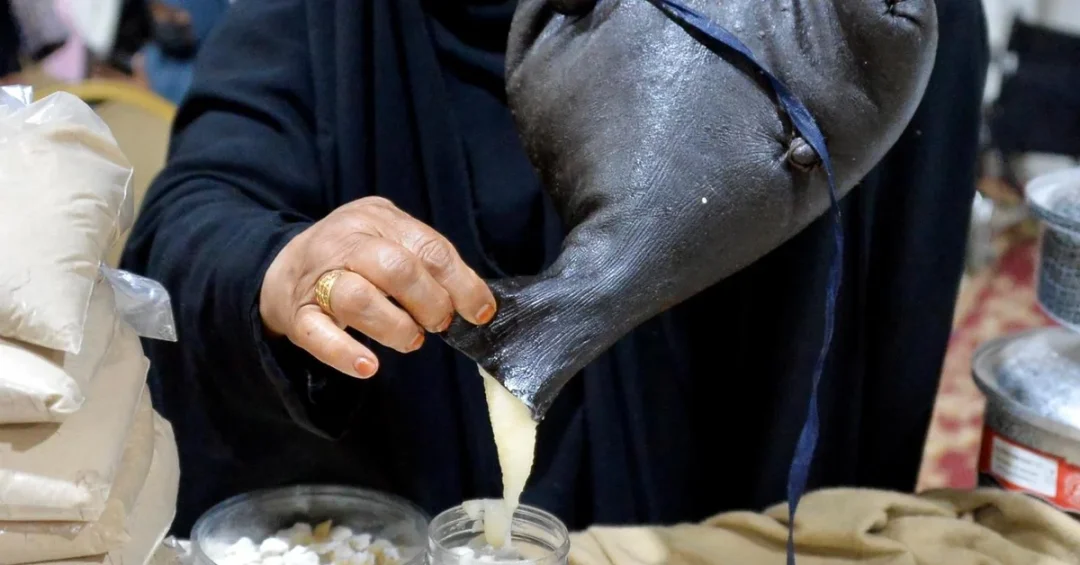
The 16th Klija Festival, held at the King Khalid Cultural Center in Buraidah, provided a dynamic platform for artisans, craftsmen, and families in the cottage industry to showcase their handcrafted products and traditional crafts, celebrating Saudi heritage through innovation. Organized by the Qassim Chamber, the event highlighted a diverse range of products blending traditional techniques with modern designs, reinforcing the Kingdom’s commitment to preserving cultural identity while fostering economic growth.
Context and Background
The Klija Festival, now in its 16th edition, has become a significant event in the Qassim region, attracting artisans from across Saudi Arabia. It aims to support small-scale producers and revive traditional crafts, aligning with the Kingdom’s Vision 2030 goals of diversifying the economy and promoting cultural heritage. The festival offers a vital marketplace for cottage industries, enabling artisans to reach wider audiences and sustain age-old practices.
Key Details
Certified traditional artist Basma Al-Muqbel showcased decorative shields and household items such as trays and graters made from wood, incorporating modern Saudi designs. She shared her journey from hobbyist to professional artisan, highlighting participation in local and international workshops. Artisan Nadia Al-Rashidi demonstrated expertise in crafting traditional wooden doors using natural materials sourced from the region, emphasizing distinct architectural styles from different parts of Saudi Arabia. Saada Al-Harbi presented dairy products and traditional dishes made from sheep’s milk, reflecting the culinary heritage of the area.
Implications
The festival not only preserves intangible cultural heritage but also empowers local communities, particularly women and families, by providing economic opportunities. Such events boost domestic tourism and attract international interest in Saudi Arabia’s rich artisan traditions. By blending heritage with innovation, the festival positions Saudi Arabia as a hub for cultural entrepreneurship, in line with global trends toward authentic, handmade products.
Vision 2030 Alignment
The Klija Festival exemplifies Vision 2030’s emphasis on cultural preservation and economic diversification. By supporting cottage industries and traditional crafts, the festival contributes to the Quality of Life Program and the National Transformation Program, fostering sustainable local development. As Saudi Arabia continues to open its doors to the world, events like this reinforce the Kingdom’s identity as a vibrant, modern nation deeply rooted in its heritage.
20 Questions
Q1. What is the Klija Festival?
A1. The Klija Festival is an annual event held in Buraidah, Saudi Arabia, that provides a platform for artisans and cottage industries to showcase handcrafted products and traditional crafts, celebrating Saudi heritage.
Q2. Where was the 16th Klija Festival held?
A2. The 16th Klija Festival was held at the King Khalid Cultural Center in Buraidah, Qassim region, Saudi Arabia, as reported by the Saudi Press Agency.
Q3. Who organized the 16th Klija Festival?
A3. The festival was organized by the Qassim Chamber, a local business support organization, to promote traditional crafts and small-scale producers.
Q4. What types of products were featured at the festival?
A4. The festival featured a variety of handcrafted products including wooden decorative items, traditional doors, dairy products, and traditional dishes made from sheep’s milk.
Q5. Who is Basma Al-Muqbel?
A5. Basma Al-Muqbel is a certified traditional artist who showcased wooden decorative shields and household items with modern Saudi designs at the festival.
Q6. What materials does Basma Al-Muqbel use?
A6. Basma Al-Muqbel uses wood to create decorative shields, trays, and graters, incorporating modern Saudi designs into her traditional craft.
Q7. How did Basma Al-Muqbel start her craft?
A7. She began as a hobbyist and later became a professional artisan, participating in local and international workshops to refine her skills.
Q8. What is Nadia Al-Rashidi known for?
A8. Nadia Al-Rashidi is an artisan known for crafting traditional wooden doors using natural materials sourced from the Qassim region.
Q9. What does Nadia Al-Rashidi emphasize in her work?
A9. She emphasizes the distinct architectural styles of wooden doors from different parts of Saudi Arabia, reflecting regional diversity.
Q10. Who is Saada Al-Harbi?
A10. Saada Al-Harbi is an artisan who produces dairy products and traditional dishes made from sheep’s milk, showcasing culinary heritage.
Q11. Why is the Klija Festival important for Saudi heritage?
A11. The festival preserves intangible cultural heritage by providing a platform for traditional crafts and encourages their continuation through modern innovation.
Q12. How does the festival support the cottage industry?
A12. The festival offers artisans a marketplace to sell their products directly to consumers, boosting income and sustainability for small-scale family businesses.
Q13. What is the role of the Qassim Chamber in the festival?
A13. The Qassim Chamber organizes the festival to support local economic development and promote traditional crafts as part of regional growth.
Q14. How does the Klija Festival align with Vision 2030?
A14. The festival supports Vision 2030 by promoting cultural heritage, diversifying the economy through small businesses, and enhancing quality of life.
Q15. What age group typically participates in the festival?
A15. Artisans of various ages participate, including families involved in cottage industries, with a focus on empowering women and youth.
Q16. Are there workshops at the Klija Festival?
A16. Yes, the festival includes workshops where artisans share their skills and techniques, helping to pass down traditional crafts to new generations.
Q17. How does the festival attract international attention?
A17. By showcasing authentic Saudi crafts, the festival draws interest from international tourists and buyers seeking unique, handmade cultural products.
Q18. What is the significance of traditional wooden doors in Saudi culture?
A18. Traditional wooden doors represent regional architectural identity and craftsmanship, with each area having distinct designs and construction methods.
Q19. How does the festival promote innovation in handicrafts?
A19. Artisans incorporate modern designs and techniques into traditional crafts, as seen in Basma Al-Muqbel’s work, blending heritage with contemporary aesthetics.
Q20. What is the future outlook for the Klija Festival?
A20. The festival is expected to grow, attracting more artisans and visitors, further strengthening Saudi Arabia’s cultural economy and global cultural presence.
Reader Feedback
We value your thoughts. Please share your feedback on this article.
Your feedback helps us improve our coverage.