


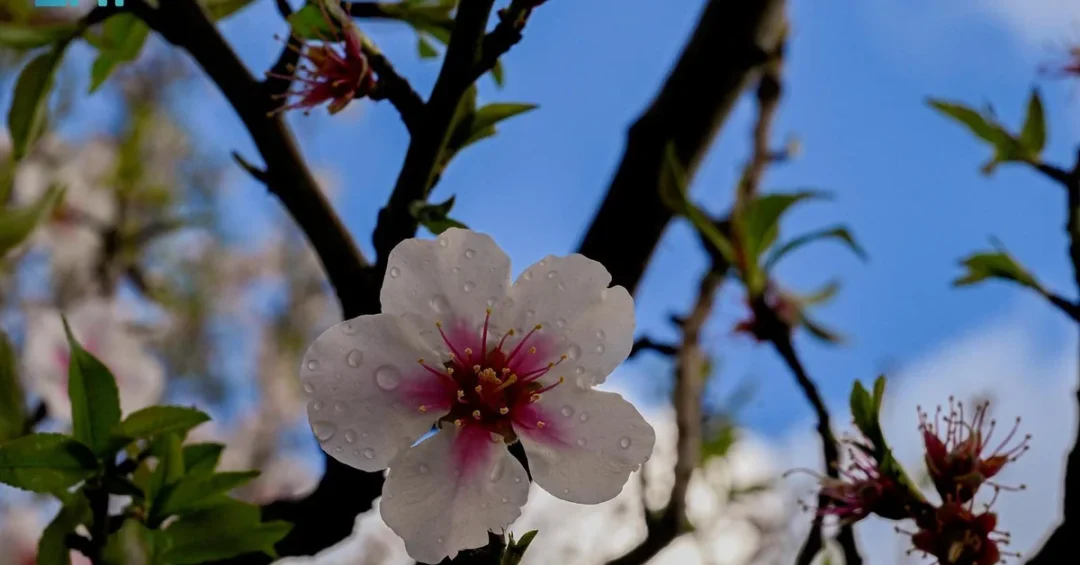
The Al-Baha almond season is flourishing with vibrant blooms, transforming the region’s landscapes with stunning white and pink blossoms, according to an official report from the Saudi Press Agency (SPA) on January 8, 2025. This winter spectacle is drawing attention to Al-Baha’s agricultural traditions and its growing appeal as an ecotourism destination.
Context and Background
Al-Baha Region, nestled in the Sarawat Mountains, has a longstanding tradition of almond cultivation. During winter, gardens and parks are adorned with blossoms, a natural phenomenon that has become a hallmark of the area. This year, the season is particularly remarkable due to ideal weather conditions that have fostered dense, vibrant flowers. Local farmers, deeply connected to this heritage, are carefully tending to their trees to ensure an optimal harvest, highlighting the resilience and dedication of the region’s agricultural community.
Key Details
Almond cultivation is widespread across several areas in Al-Baha, including the governorates of Baljurashi, Al Mandaq, and Bani Hassan. A single almond tree yields approximately five to six kilograms each season, contributing significantly to the local economy. The Ministry of Environment, Water and Agriculture branch in Al-Baha has been instrumental in supporting this sector by introducing investment opportunities and enhancing farmers’ expertise through educational workshops. This support aligns with broader efforts to strengthen agricultural trade and create sustainable job opportunities for local farmers.
Implications and Impact
The flourishing almond season not only bolsters the local agricultural economy but also promotes ecotourism in Al-Baha. The striking blossoms attract tourists, advancing the region’s profile as a destination for nature lovers. This dual benefit—economic growth through farming and increased tourism—demonstrates how traditional practices can integrate with modern development goals. The region’s success in almond cultivation serves as a model for sustainable rural development, enhancing its appeal both domestically and internationally.
20 Questions
Q1. What is the Al-Baha almond season known for?
A1. The Al-Baha almond season is known for transforming the region’s landscapes with stunning white and pink blossoms, creating a beautiful winter spectacle that attracts tourists and supports local agriculture.
Q2. When did the report on the almond season originate?
A2. The report on the flourishing almond season was published by the Saudi Press Agency (SPA) on January 8, 2025, providing official details on the region’s agricultural and tourism developments.
Q3. What weather conditions contributed to the vibrant blooms this year?
A3. Ideal weather conditions this year fostered dense, vibrant flowers, according to the SPA report, making the 2025 almond blossom season particularly remarkable for its beauty and abundance.
Q4. How does almond cultivation support the local economy?
A4. Almond cultivation plays a vital role in the local economy by creating job opportunities for farmers and boosting agricultural trade, both of which contribute to the region’s economic stability and growth.
Q5. What role does the Ministry of Environment, Water and Agriculture play in Al-Baha?
A5. The Ministry of Environment, Water and Agriculture branch in Al-Baha supports almond cultivation by introducing investment opportunities and enhancing farmers’ expertise through informative workshops and resources.
Q6. Where is Al-Baha located geographically?
A6. Al-Baha Region is located in the Sarawat Mountains of Saudi Arabia, a region known for its mountainous terrain and favorable conditions for almond cultivation and ecotourism.
Q7. What is the typical yield per almond tree in Al-Baha?
A7. A single almond tree in Al-Baha yields about five to six kilograms of almonds each season, providing a steady source of income for local farmers and contributing to regional agricultural output.
Q8. Which governorates in Al-Baha are known for almond cultivation?
A8. Almond cultivation is prevalent in the governorates of Baljurashi, Al Mandaq, and Bani Hassan, as well as throughout the Sarawat Mountains, according to official reports.
Q9. How does the almond season impact tourism in Al-Baha?
A9. The exquisite almond blossoms attract tourists to Al-Baha, advancing the growth of ecotourism in the region and helping to diversify the local economy beyond traditional agriculture.
Q10. What is the local farmers’ outlook for the upcoming harvest?
A10. Local farmers are optimistic about the upcoming harvest, carefully tending to their almond trees to ensure optimal yield, reflecting their dedication and confidence in this year’s crop.
Q11. How long has almond cultivation been a tradition in Al-Baha?
A11. Almond cultivation is a longstanding tradition in Al-Baha, passed down through generations, and continues to be a key part of the region’s cultural and agricultural heritage.
Q12. What is the main source of information for this article?
A12. The main source of information is the Saudi Press Agency (SPA), which provided official details on the almond season, including conditions, yields, and support from the Ministry of Environment, Water and Agriculture.
Q13. What is the visual impact of the almond blossoms in winter?
A13. In winter, Al-Baha transforms into a stunning landscape with gardens and parks adorned in shades of white and pink blossoms, creating a vibrant and picturesque environment for residents and visitors.
Q14. How does this season support the goals of Vision 2030?
A14. This season supports Vision 2030 by promoting agricultural sustainability, creating jobs, and developing ecotourism, all of which align with Saudi Arabia’s goals for economic diversification and rural development.
Q15. What kind of workshops are offered to farmers in Al-Baha?
A15. The Ministry of Environment, Water and Agriculture offers informative workshops to farmers in Al-Baha, aimed at enhancing their expertise in almond cultivation and improving agricultural practices for higher yields.
Q16. What makes the 2025 almond season remarkable?
A16. The 2025 almond season is remarkable due to ideal weather conditions that led to dense, vibrant flowers, making it a particularly productive and visually striking year for the region’s almond orchards.
Q17. How does the almond season boost local trade?
A17. The almond season boosts local trade by increasing the availability of almonds for sale, supporting agricultural markets, and encouraging economic activity among farmers, traders, and related businesses.
Q18. What is the significance of the Sarawat Mountains for almond cultivation?
A18. The Sarawat Mountains in Al-Baha provide favorable geographic conditions for almond cultivation, including suitable climate and terrain, making the region ideal for growing almond trees.
Q19. How does ecotourism benefit from the almond blossoms?
A19. Ecotourism in Al-Baha benefits from the almond blossoms as they draw nature enthusiasts and tourists, promoting sustainable travel and increasing the region’s visibility as a natural attraction.
Q20. What is the overall impact of the almond season on Al-Baha’s community?
A20. The almond season positively impacts Al-Baha’s community by supporting farmers’ livelihoods, boosting agricultural and tourism sectors, and preserving cultural traditions, all while contributing to regional prosperity.
Vision 2030 Alignment
This initiative aligns with Saudi Arabia’s Vision 2030 by promoting agricultural sustainability, creating new job opportunities, and developing ecotourism in rural areas like Al-Baha. The success of the almond season underscores the Kingdom’s commitment to diversifying its economy, supporting local communities, and enhancing the quality of life for its citizens. Through careful stewardship and investment in traditional sectors, Al-Baha’s almond cultivation serves as a model for how heritage can drive modern economic growth, contributing to a vibrant and prosperous future for the region and the nation.
Reader Feedback
We value your thoughts. Please share your feedback on this article.
Your feedback helps us improve our coverage.