


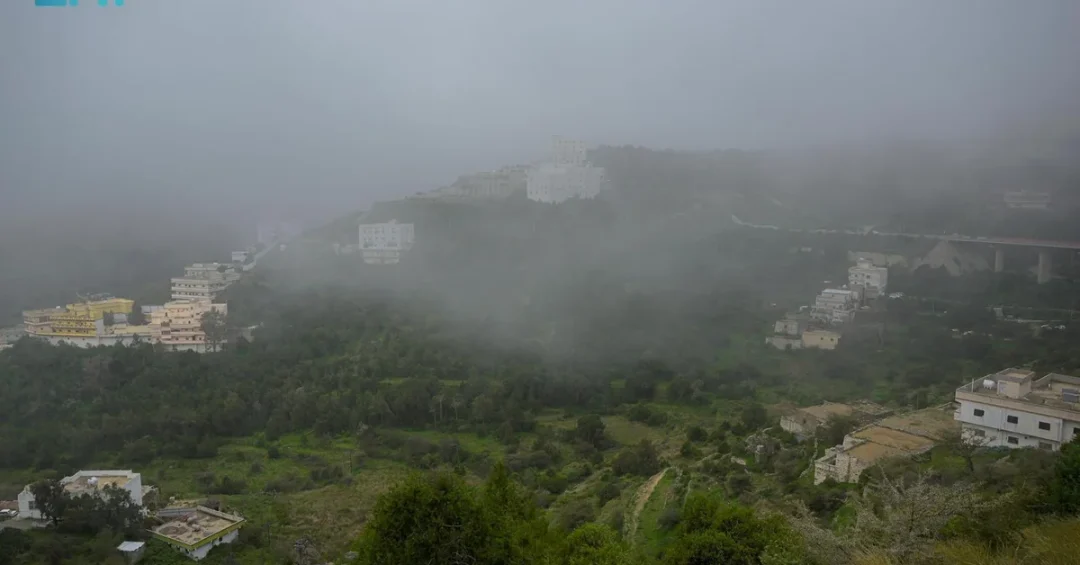
Heavy seasonal rainfall, accompanied by thunderstorms and dense fog, swept across Saudi Arabia’s Al-Baha region on January 26, 2025, according to the Saudi Press Agency (SPA). The precipitation, described as light to moderate, fell across the region, causing wadis to overflow and revitalizing the mountainous landscape, particularly in the Sarawat Mountains.
Context and Background
Al-Baha, a southwestern province of the Kingdom of Saudi Arabia, is known for its unique climate and rugged topography, including the Sarawat mountain range. Rainfall events, while seasonal, play a critical role in replenishing local water resources and supporting the region’s agricultural and natural ecosystems. The recent downpour comes as part of the region’s winter weather pattern, contributing to the annual hydrological cycle essential for local communities.
Key Details
The rainfall, confirmed by official meteorological reports via SPA, resulted in visible effects such as overflowing wadis and the temporary closure of some mountain roads due to reduced visibility from fog. No significant damage or injuries were reported, and authorities emphasized that the event was a typical seasonal occurrence. The thunderstorms added to the dramatic natural scenery of the Sarawat Mountains, often described as one of the Kingdom’s most scenic areas.
Implications and Impact
While localized, such rainfall directly supports the Al-Baha region’s water security and agricultural output, which includes fruits like pomegranates and grapes. The event also highlights the region’s natural beauty, which the Saudi Tourism Authority promotes as a key destination for eco-tourism and mountain adventures. Improved rainfall can enhance the attractiveness of Al-Baha for domestic and international visitors, aligning with broader efforts to diversify the Kingdom’s tourism offerings.
Vision 2030 Alignment
This natural event underscores the importance of environmental sustainability and resource management—pillars of Vision 2030. By highlighting the region’s scenic assets and reinforcing water security, seasonal rains like those in Al-Baha contribute to the Kingdom’s goals of developing a sustainable, diversified economy that leverages its unique natural heritage.
20 Questions
Q1. When did the rainfall occur in Al-Baha?
A1. The rainfall in Al-Baha occurred on January 26, 2025, as reported by the Saudi Press Agency (SPA).
Q2. What type of weather accompanied the rainfall?
A2. The rainfall was accompanied by thunderstorms and dense fog, particularly in the Sarawat Mountains.
Q3. What was the intensity of the rainfall?
A3. The rainfall was described as light to moderate by official sources, not extreme.
Q4. Which mountain range saw the most fog?
A4. The dense fog was reported specifically in the Sarawat Mountains in the Al-Baha region.
Q5. Did the rainfall cause any flooding?
A5. It caused wadis to overflow, but no significant flooding or damage was reported.
Q6. Is this type of rainfall common in Al-Baha?
A6. Yes, seasonal rainfall is a common part of Al-Baha’s winter weather pattern.
Q7. What official source confirmed the rain?
A7. The Saudi Press Agency (SPA) confirmed the rainfall, using official meteorological data.
Q8. How does this rain benefit the region?
A8. It replenishes local water resources, supports agriculture, and revitalizes the natural landscape.
Q9. What crops are grown in Al-Baha?
A9. Al-Baha is known for pomegranates, grapes, and other fruits, which benefit from seasonal rain.
Q10. Why is the Sarawat Mountains region important?
A10. It is a scenic mountainous area that is a highlight for eco-tourism and adventure tourism in Saudi Arabia.
Q11. Were there any road closures due to the rain?
A11. Reduced visibility from fog led to temporary closures of some mountain roads as a safety measure.
Q12. How does the rainfall relate to Vision 2030?
A12. It supports Vision 2030 by promoting sustainable resource management and eco-tourism.
Q13. What is the Saudi Tourism Authority’s role in Al-Baha?
A13. The Authority promotes Al-Baha as a key eco-tourism destination, including its mountains and natural beauty.
Q14. Did the rain cause any damage?
A14. No significant damage or injuries were reported from the rainfall.
Q15. What is a wadi?
A15. A wadi is a valley, streambed, or dry riverbed that temporarily fills with water after rainfall.
Q16. How does this event affect local water security?
A16. It positively contributes to local water security by recharging groundwater and surface water sources.
Q17. Is Al-Baha a popular tourist destination?
A17. Yes, it is known for its unique climate and scenery, and is a growing destination for domestic and international tourists.
Q18. What time of year is the rainy season in Al-Baha?
A18. The rainy season typically occurs during the winter months, including January.
Q19. How did the fog impact visibility?
A19. The dense fog significantly reduced visibility, especially in mountainous areas, leading to road cautions.
Q20. What is the role of the SPA in reporting weather?
A20. SPA disseminates official news and updates from Saudi government agencies, including meteorological reports, to the public.
Reader Feedback
We value your thoughts. Please share your feedback on this article.
Your feedback helps us improve our coverage.