


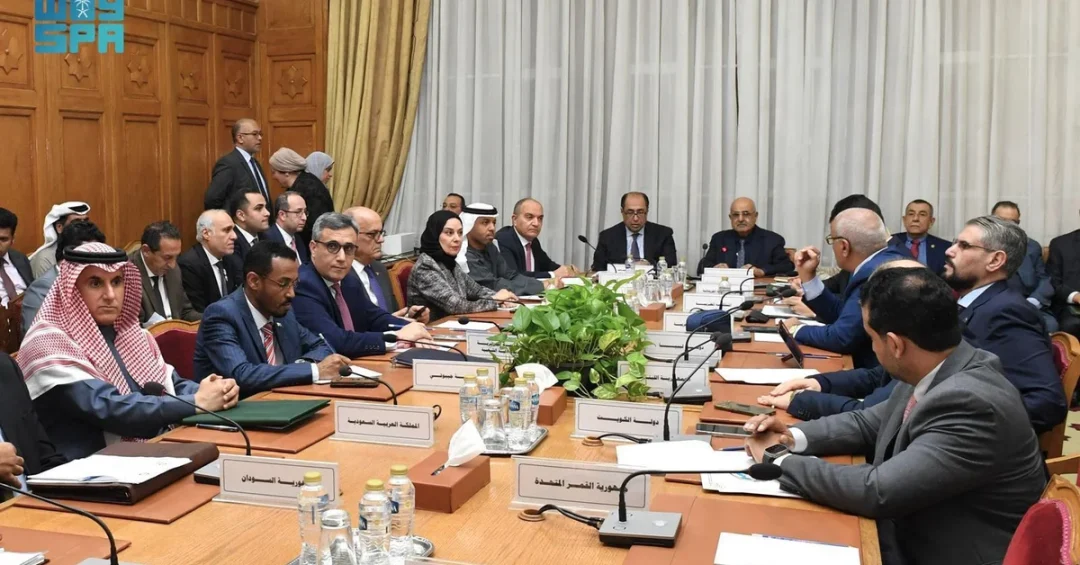
The Arab League convened an extraordinary session on February 3, 2025, at the level of permanent delegates to address the repercussions of the Israeli Knesset’s illegal decision to ban the operations of the United Nations Relief and Works Agency for Palestine Refugees (UNRWA) in the Palestinian territories occupied in 1967, including East Jerusalem and the Gaza Strip. The session was held at the request of Jordan, in coordination with Egypt and the State of Palestine, and with the support of several Arab countries. Saudi Arabia was represented at the meeting by its Permanent Representative to the Arab League, Abdulaziz Al-Matar.
Context and Background
The Israeli Knesset’s decision to ban UNRWA operations marks a significant escalation in tensions, as UNRWA has provided essential services—including education, healthcare, and social assistance—to millions of Palestinian refugees for over seven decades. The ban threatens to disrupt humanitarian aid and destabilize an already fragile region. The Arab League’s emergency session underscores the collective Arab commitment to opposing measures that undermine international law and the rights of Palestinian refugees.
Key Details
The meeting is expected to issue a statement reaffirming the unified Arab stance rejecting Israel’s illegal measures against UNRWA. Saudi Arabia’s participation highlights its leadership role in supporting Palestinian rights and regional stability. The Kingdom has consistently advocated for a just and comprehensive peace based on the Arab Peace Initiative and international resolutions. The session also builds on previous Arab League declarations condemning any attempts to alter the legal and historical status of Palestinian territories.
Implications and Impact
The ban on UNRWA could have dire humanitarian consequences, particularly in Gaza, where the agency serves as a lifeline for over a million refugees. International stakeholders, including the United Nations and European Union, have expressed concern. The Arab League’s unified response sends a strong message that such unilateral actions will not be tolerated and may prompt further diplomatic measures at the United Nations and other international forums.
Vision 2030 Alignment
Saudi Arabia’s active engagement in this emergency session aligns with Vision 2030’s goal of promoting regional stability and humanitarian cooperation. By supporting Palestinian rights and multilateral diplomacy, the Kingdom reinforces its role as a responsible global actor committed to peace and sustainable development. This principled stance contributes to building a more secure and prosperous future for the region, in line with Saudi Arabia’s long-term strategic vision.
20 Questions
Q1. What was the purpose of the Arab League emergency session?
A1. The session aimed to address the repercussions of the Israeli Knesset’s decision to ban UNRWA operations, reaffirming Arab opposition to illegal measures against the agency.
Q2. Who requested the session?
A2. The session was requested by Jordan, in coordination with Egypt and the State of Palestine, with support from several Arab countries.
Q3. How was Saudi Arabia represented at the session?
A3. Saudi Arabia was represented by its Permanent Representative to the Arab League, Abdulaziz Al-Matar.
Q4. What is UNRWA?
A4. UNRWA is the United Nations Relief and Works Agency for Palestine Refugees, providing education, healthcare, and social services to Palestinian refugees.
Q5. Which areas are affected by the Israeli ban?
A5. The ban targets UNRWA operations in Palestinian territories occupied in 1967, including East Jerusalem and the Gaza Strip.
Q6. Why is the Israeli ban considered illegal?
A6. The ban is considered illegal under international law, as it violates UN resolutions and undermines humanitarian obligations toward Palestinian refugees.
Q7. What is the expected outcome of the session?
A7. The session is expected to issue a statement reaffirming the unified Arab stance rejecting Israel’s measures against UNRWA.
Q8. What role does Saudi Arabia play in supporting Palestinian rights?
A8. Saudi Arabia consistently advocates for Palestinian rights, supports the Arab Peace Initiative, and promotes regional stability through diplomatic engagement.
Q9. How does the ban affect Palestinian refugees in Gaza?
A9. Over a million refugees in Gaza rely on UNRWA for essential services; the ban risks severe humanitarian disruption.
Q10. What international reactions have occurred?
A10. The United Nations and European Union have expressed concern, calling for respect of international law and UNRWA’s mandate.
Q11. What is the Arab Peace Initiative?
A11. The Arab Peace Initiative, proposed by Saudi Arabia, offers normalization with Israel in exchange for a two-state solution and Palestinian rights.
Q12. How does this session relate to Vision 2030?
A12. Saudi Arabia’s engagement reflects Vision 2030’s goals of promoting regional stability, humanitarian cooperation, and multilateral diplomacy.
Q13. What other countries supported the session?
A13. Several Arab countries supported the session, though specific names were not listed in the official statement.
Q14. What is the legal basis for Arab opposition?
A14. Arab states cite UN resolutions, international humanitarian law, and the rights of Palestinian refugees under international law.
Q15. Could the ban lead to further diplomatic actions?
A15. The Arab League may seek UN resolutions or other multilateral measures to counter the ban and protect UNRWA’s operations.
Q16. How long has UNRWA operated?
A16. UNRWA was established in 1949 and has operated for over 75 years, providing aid to Palestinian refugees.
Q17. What is the significance of Saudi Arabia’s participation?
A17. Saudi Arabia’s involvement underscores its leadership in the Arab world and commitment to a just resolution of the Palestinian issue.
Q18. How does the ban affect regional stability?
A18. The ban risks increasing tensions and destabilizing the region by worsening humanitarian conditions and undermining peace efforts.
Q19. What alternative services exist for Palestinian refugees?
A19. No alternative agency matches UNRWA’s scale, making the ban potentially catastrophic for refugee services in the absence of a political solution.
Q20. What is the next step for the Arab League?
A20. The Arab League will likely issue a formal statement and may coordinate with international partners to challenge the ban through diplomatic and legal channels.
Reader Feedback
We value your thoughts. Please share your feedback on this article.
Your feedback helps us improve our coverage.