


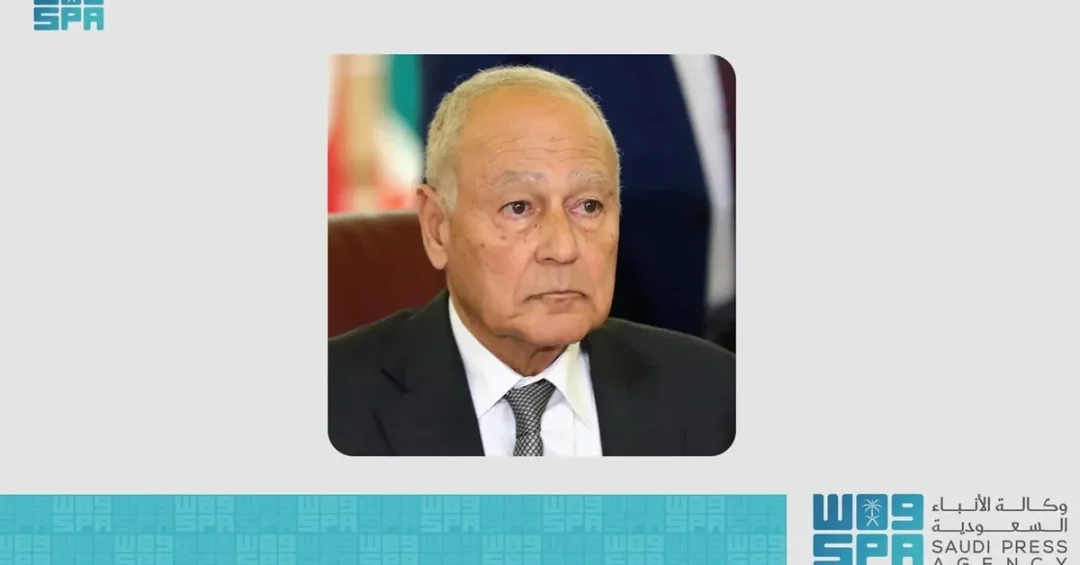
Arab League Secretary General Dr. Ahmed Aboul Gheit has praised the Arab Monetary Fund (AMF) as a key partner in achieving regional economic stability. Speaking at the opening of the 48th ordinary meeting of the Council of Arab Central Banks and Monetary Authorities’ Governors in Cairo, Aboul Gheit highlighted the AMF’s vital role in supporting Arab governments and promoting economic, financial, and monetary stability across the region.
Context and Background
The meeting brought together central bank governors and monetary authorities from across the Arab world to address pressing economic challenges. Aboul Gheit emphasized the responsibility central banks bear in managing monetary policies amid current political and economic turmoil. He noted that these institutions operate in a dynamic environment marked by complex challenges, including advancements in financial technology, artificial intelligence, global market volatility, and rising uncertainty.
Key Details
Aboul Gheit stressed that the council, along with Arab monetary institutions, holds a critical role in addressing present and emerging challenges and fostering Arab cooperation and joint action. He emphasized the need for continuous exchange of information and policy coordination to maximize the potential of the Arab economy. Expressing confidence in the capabilities of Arab banks and the expertise of their human resources, Aboul Gheit lauded their ability to navigate this challenging period with vigilance, flexibility, and resilience to adapt to unexpected shocks.
Implications and Impact
The recognition of the Arab Monetary Fund by the Arab League Secretary General underscores the fund’s growing importance as a stabilizing force in the region. As global economic uncertainties persist, the AMF’s role in providing technical support, policy advice, and financial resources is crucial for Arab nations. This cooperation is expected to enhance monetary policy coordination and information sharing among Arab central banks, fostering a more resilient and integrated regional economy.
Vision 2030 Alignment
The Arab Monetary Fund’s efforts align closely with the Kingdom of Saudi Arabia’s Vision 2030 objectives, which prioritize economic diversification, financial stability, and regional cooperation. By supporting Arab governments in achieving sustainable economic growth, the AMF contributes to a more prosperous and stable Middle East. This partnership reflects Saudi Arabia’s commitment to fostering collaborative frameworks that benefit the entire Arab world, reinforcing the Kingdom’s role as a leader in regional economic development and integration.
20 Questions
Q1. Who is the current Secretary General of the Arab League?
A1. The current Secretary General of the Arab League is Dr. Ahmed Aboul Gheit, who has been in office since July 2016.
Q2. What is the Arab Monetary Fund (AMF)?
A2. The Arab Monetary Fund is a regional financial organization founded in 1976, aimed at correcting balance of payments imbalances and promoting economic stability among Arab nations.
Q3. Where did the 48th ordinary meeting of the Council of Arab Central Banks and Monetary Authorities’ Governors take place?
A3. The meeting took place in Cairo, Egypt, as announced by the Saudi Press Agency.
Q4. What did Dr. Aboul Gheit emphasize regarding central banks?
A4. He emphasized their responsibility in managing monetary policies amid current political and economic turmoil.
Q5. What challenges did Aboul Gheit highlight?
A5. He highlighted challenges such as financial technology advancements, artificial intelligence, global market volatility, and rising uncertainty.
Q6. How does the Arab Monetary Fund support Arab governments?
A6. The AMF supports Arab governments by providing financial resources, technical assistance, and policy advice to promote economic stability.
Q7. What is the role of the Council of Arab Central Banks and Monetary Authorities’ Governors?
A7. The council coordinates monetary policies and fosters cooperation among Arab central banks to address economic challenges and promote stability.
Q8. Why is information exchange important among Arab central banks?
A8. Information exchange is crucial for policy coordination and maximizing the potential of the Arab economy in a dynamic environment.
Q9. How does the AMF contribute to regional economic stability?
A9. The AMF contributes by offering financial support and promoting monetary harmonization, which helps stabilize economies and reduce volatility in the region.
Q10. What is Vision 2030?
A10. Vision 2030 is Saudi Arabia’s strategic plan to diversify its economy, reduce dependence on oil, and enhance public service sectors like health and education.
Q11. How does the AMF align with Vision 2030?
A11. The AMF’s work in promoting regional economic stability and cooperation aligns with Vision 2030’s goals of economic diversification and sustainable growth.
Q12. What is the role of central banks in financial technology?
A12. Central banks must adapt to financial technology advancements by ensuring regulatory frameworks support innovation while maintaining stability and security.
Q13. How does artificial intelligence affect monetary policy?
A13. AI can improve data analysis and decision-making in monetary policy, but also presents challenges in risk management and regulatory oversight.
Q14. What is the significance of the AMF’s partnership with the Arab League?
A14. The partnership highlights a unified approach to addressing economic challenges, with the AMF serving as a key tool for regional financial stability.
Q15. How can Arab banks navigate global market volatility?
A15. Arab banks can navigate market volatility through vigilance, flexibility, and resilience, as noted by Dr. Aboul Gheit, by adapting to unexpected shocks.
Q16. What was the date of the 48th ordinary meeting?
A16. The meeting took place on October 1, 2024, as reported by the Saudi Press Agency.
Q17. Who organized the meeting in Cairo?
A17. The meeting was organized by the Arab Monetary Fund in collaboration with the Arab League Secretariat.
Q18. How does the AMF promote monetary stability?
A18. The AMF promotes monetary stability by providing policy advice, financial assistance, and coordinating monetary policies among member states.
Q19. What are the key benefits of Arab cooperation on monetary issues?
A19. Key benefits include enhanced economic integration, improved crisis response, and greater resilience against global economic shocks.
Q20. What is the long-term outlook for Arab economic cooperation?
A20. The long-term outlook is positive, with ongoing efforts through entities like the AMF to foster deeper cooperation, economic diversification, and sustainable growth in the region.
Reader Feedback
We value your thoughts. Please share your feedback on this article.
Your feedback helps us improve our coverage.