


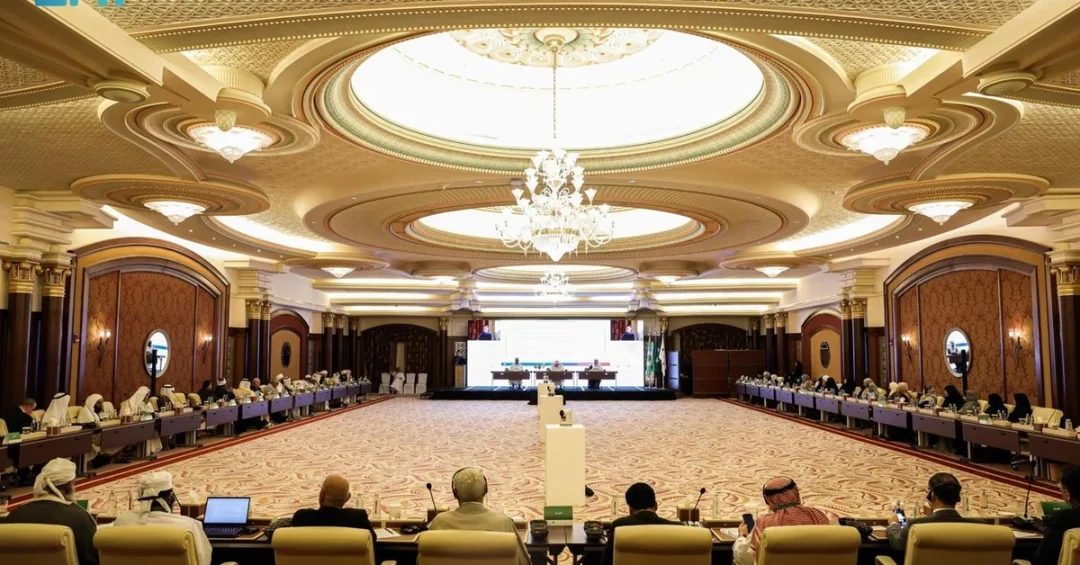
The International Islamic Fiqh Academy, in partnership with the Saudi Food and Drug Authority (SFDA), convened a specialized symposium in Jeddah on October 1, 2024, to advance the development of halal legislation and address emerging Sharia-compliant standards in the global food industry. The gathering brought together leading Islamic scholars, food experts, and regulatory specialists to ensure that modern food production aligns with Islamic jurisprudence.
Context and Background
The symposium forms part of an ongoing strategic partnership between the International Islamic Fiqh Academy and the SFDA, building on a previous symposium held in June 2022 that addressed Sharia rulings on various food-related matters. This renewed collaboration reflects Saudi Arabia’s commitment to harmonizing religious principles with contemporary scientific and industrial advancements, reinforcing the Kingdom’s role as a global reference for halal standards.
Key Details
High-profile participants included Imam and preacher at the Grand Mosque, member of the Council of Senior Scholars, Advisor at the Royal Court and President of the International Islamic Fiqh Council Sheikh Dr. Saleh bin Abdullah bin Humaid, SFDA CEO Dr. Hisham bin Saad Aljadhey, and Academy Secretary-General Koutoub Moustapha Sano. In his opening speech, Sheikh Dr. bin Humaid stressed that one of the academy’s core objectives is to clarify Sharia rulings on contemporary issues, facilitating the development of laws and regulations aligned with Islamic principles. Dr. Aljadhey praised the strong cooperation between the two institutions, highlighting the importance of keeping pace with advancements in the food industry from a fiqh perspective. Secretary-General Sano emphasized the increasing complexity of modern-day issues and the need for collective ijtihad—juristic judgment on emerging religious questions—involving experts in both Sharia and contemporary sciences.
Implications and Impact
This symposium reinforces the credibility and reliability of Saudi Arabia’s halal certification and regulatory framework, which serves millions of Muslims worldwide. By integrating scholarly religious guidance with scientific oversight from the SFDA, the discussions help ensure that halal products meet both Sharia requirements and modern safety and quality standards. This alignment supports international trade and consumer trust in halal-certified goods originating from the Kingdom.
Vision 2030 Alignment
The symposium directly supports Saudi Arabia’s Vision 2030 objectives by strengthening the Kingdom’s position as a global hub for halal industry standards. Through initiatives that blend Islamic scholarship with regulatory excellence, Saudi Arabia continues to enhance its leadership in the halal economy, promoting ethical practices and sustainable growth in line with its long-term strategic goals.
20 Questions
Q1. What was the main purpose of the symposium held by the International Islamic Fiqh Academy and SFDA?
A1. The symposium aimed to support the development of halal legislation and address Sharia-compliant standards in the modern food industry through expert discussions on Islamic jurisprudence.
Q2. Where and when did the symposium take place?
A2. The symposium took place in Jeddah, Saudi Arabia, on October 1, 2024, as announced by the Saudi Press Agency.
Q3. Who are the key officials who participated in the symposium?
A3. Key participants included Sheikh Dr. Saleh bin Abdullah bin Humaid, SFDA CEO Dr. Hisham bin Saad Aljadhey, and Academy Secretary-General Koutoub Moustapha Sano, along with other experts.
Q4. What is the role of the International Islamic Fiqh Academy?
A4. The academy clarifies Sharia rulings on contemporary issues to facilitate the development of laws and regulations aligned with Islamic principles.
Q5. How does the SFDA contribute to the halal industry?
A5. The SFDA oversees food safety and regulatory standards in Saudi Arabia, ensuring that halal products meet both Sharia requirements and modern safety protocols.
Q6. What did Sheikh Dr. bin Humaid emphasize in his opening speech?
A6. He stressed the academy’s objective to clarify Sharia rulings on contemporary issues and the importance of responding to evolving challenges faced by the Muslim Ummah.
Q7. What is the significance of the partnership between the academy and SFDA?
A7. The partnership ensures that religious and scientific expertise are combined to produce sound Sharia rulings on food-related issues, benefiting consumers and industry.
Q8. When was the previous symposium held between these two institutions?
A8. The previous symposium was held in June 2022, addressing Sharia rulings on various food-related matters.
Q9. What is collective ijtihad as mentioned during the symposium?
A9. Collective ijtihad refers to juristic judgment on new religious issues, involving collaboration between Sharia scholars and experts in modern sciences.
Q10. Why is keeping pace with food industry advancements important from a fiqh perspective?
A10. It ensures that new food technologies and products comply with Islamic law, maintaining the integrity of halal certification.
Q11. How does this symposium support Saudi Arabia’s Vision 2030?
A11. It strengthens the Kingdom’s position as a global hub for halal industry standards, aligning with economic diversification and global leadership goals.
Q12. What types of experts participated in the symposium discussions?
A12. Food experts, Sharia scholars, members of the academy, and specialists from both the academy and SFDA participated in the discussions.
Q13. What is the role of the Council of Senior Scholars in Saudi Arabia?
A13. The Council of Senior Scholars is a high-level religious body that provides guidance on Islamic matters, and its members often contribute to halal-related rulings.
Q14. How does the symposium benefit global halal consumers?
A14. It helps ensure that halal products from Saudi Arabia meet strict Sharia and safety standards, building consumer trust in international markets.
Q15. What emerging issues were likely discussed at the symposium?
A15. Topics likely included modern food processing techniques, additives, and new ingredients requiring Sharia rulings.
Q16. What is the role of the Saudi Press Agency in this event?
A16. The Saudi Press Agency (SPA) officially announced the symposium, serving as a primary source for the information released to the public.
Q17. How does the symposium align with Islamic principles?
A17. It facilitates the development of laws and regulations based on Quranic teachings and scholarly traditions, guiding food industry practices.
Q18. What is the significance of Dr. Aljadhey’s praise for the cooperation?
A18. His praise highlights the effective collaboration between regulatory and religious bodies in upholding halal standards in Saudi Arabia.
Q19. How does the symposium address challenges faced by the Muslim Ummah?
A19. By providing clear Sharia rulings on modern food issues, it helps Muslims worldwide navigate contemporary dietary concerns.
Q20. What future actions might follow from this symposium?
A20. The outcomes may lead to updated halal regulations and guidelines, further strengthening Saudi Arabia’s halal certification system.
Reader Feedback
We value your thoughts. Please share your feedback on this article.
Your feedback helps us improve our coverage.