


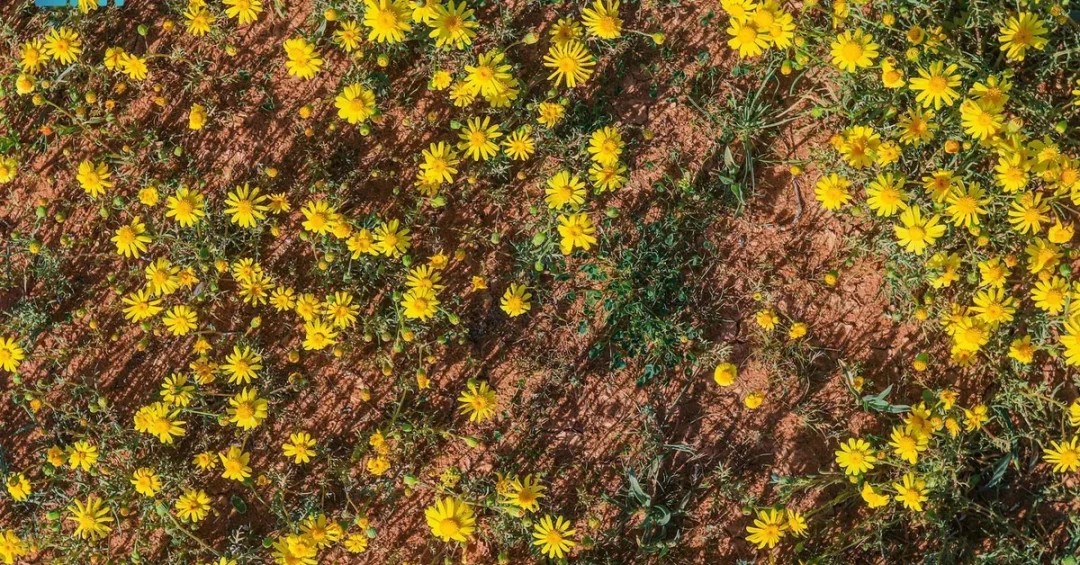
The golden blooms of Buck’s horn groundsel (Senecio glaucus) have adorned vast stretches of land east of Rafha Governorate in the Northern Borders Region, the Saudi Press Agency reported on February 9, 2025. These annual wildflowers, which bloom in January and February, have painted the landscape with their bright yellow hues, reaching up to 50 centimeters in height as they carpet the desert and roadsides during the transition from winter to spring.
Context and Background
The Northern Borders Region, known for its diverse desert ecosystems, experiences a seasonal transformation as wildflowers emerge following winter rains. Buck’s horn groundsel is a native annual plant that thrives in sandy soils, contributing to the region’s biodiversity and aesthetic appeal. The blooming season attracts nature enthusiasts and photographers, highlighting the Kingdom’s natural heritage.
Key Details
The SPA report emphasized the delicate nature of these blooms, which appear annually from January to February. The flowers, with their bright yellow petals, grow up to 50 centimeters tall and create striking visual contrasts against the desert landscape. This natural phenomenon is part of Saudi Arabia’s rich floral diversity, which includes over 2,200 plant species across its varied climates.
Implications and Impact
The seasonal blooming supports local ecotourism and environmental awareness. The沙特 government, through its Vision 2030 initiatives, promotes sustainable tourism and conservation of natural habitats. Events like the wildflower bloom offer opportunities for domestic and international visitors to experience Saudi Arabia’s unique landscapes, aligning with the Kingdom’s goal to diversify tourism offerings beyond urban and religious sites.
Vision 2030 Alignment
The blooming of Buck’s horn groundsel exemplifies the natural beauty that Saudi Arabia aims to preserve and showcase as part of its Vision 2030 environmental and tourism goals. By highlighting such ecological treasures, the Kingdom fosters a deeper appreciation for its natural heritage, supporting sustainable development and enhancing the quality of life for residents and visitors alike.
20 Questions
Q1. What is Buck’s horn groundsel?
A1. Buck’s horn groundsel (Senecio glaucus) is an annual wildflower native to Saudi Arabia that blooms with bright yellow flowers from January to February, reaching up to 50 cm in height.
Q2. Where does Buck’s horn groundsel bloom in Saudi Arabia?
A2. It blooms on vast stretches of land east of Rafha Governorate in the Northern Borders Region, carpeting deserts and roadsides during the late winter season.
Q3. When does Buck’s horn groundsel typically bloom?
A3. The blooming period occurs annually in January and February, coinciding with the transition from winter to spring after seasonal rains.
Q4. What color are the flowers of Buck’s horn groundsel?
A4. The flowers are bright yellow, creating vibrant golden hues across the landscape.
Q5. How tall can Buck’s horn groundsel grow?
A5. The delicate blooms can reach up to 50 centimeters in height as they carpet the desert and roadsides.
Q6. Who reported the blooming of Buck’s horn groundsel?
A6. The Saudi Press Agency (SPA) reported the phenomenon on February 9, 2025, providing official information about the wildflower bloom.
Q7. Why is the blooming of Buck’s horn groundsel significant for Saudi Arabia?
A7. It highlights the Kingdom’s natural biodiversity and supports ecotourism, aligning with Vision 2030’s goals of sustainable development and environmental preservation.
Q8. How does the bloom contribute to local tourism?
A8. The seasonal display attracts nature enthusiasts and photographers, offering unique desert experiences that boost domestic and international ecotourism.
Q9. What is the habitat of Buck’s horn groundsel?
A9. It thrives in sandy desert soils, often appearing in large patches east of Rafha, where winter rains provide essential moisture.
Q10. Is Buck’s horn groundsel an annual or perennial plant?
A10. It is an annual wildflower, meaning it completes its life cycle in one year, germinating, blooming, and seeding within a single season.
Q11. What other wildflowers bloom alongside Buck’s horn groundsel?
A11. The Northern Borders Region hosts various spring wildflowers, but the SPA report specifically highlighted the golden blooms of Buck’s horn groundsel.
Q12. How does the bloom affect the desert landscape?
A12. The bright yellow flowers create striking visual contrasts against the sandy terrain, transforming the desert into a colorful carpet as winter fades.
Q13. What role does the Saudi government play in preserving such natural phenomena?
A13. Through Vision 2030, the government promotes conservation and sustainable tourism, protecting habitats like these for future generations.
Q14. Can visitors access the blooming areas easily?
A14. The areas east of Rafha are accessible via roads, allowing visitors to witness the natural display while respecting the delicate environment.
Q15. How long does the blooming period last?
A15. The bloom typically lasts through January and February, as winter rains subside and spring approaches.
Q16. What is the scientific name of Buck’s horn groundsel?
A16. Its scientific name is Senecio glaucus, a species known for its resilience in arid conditions and vibrant yellow flowers.
Q17. Is Buck’s horn groundsel native to Saudi Arabia?
A17. Yes, it is a native annual wildflower that naturally occurs in the desert ecosystems of the Northern Borders Region and other parts of Arabia.
Q18. How does the bloom support biodiversity?
A18. The flowers provide nectar for pollinators such as bees and butterflies, contributing to the ecological health of the desert environment.
Q19. What is the meteorological condition required for the bloom?
A19. Adequate winter rainfall is crucial for germination and growth, followed by moderate temperatures that trigger flowering in January and February.
Q20. How does this bloom reflect Saudi Arabia’s Vision 2030?
A20. It showcases the Kingdom’s natural beauty, promoting ecotourism and environmental stewardship, which are key pillars of Vision 2030’s quality-of-life and sustainability initiatives.
Reader Feedback
We value your thoughts. Please share your feedback on this article.
Your feedback helps us improve our coverage.