


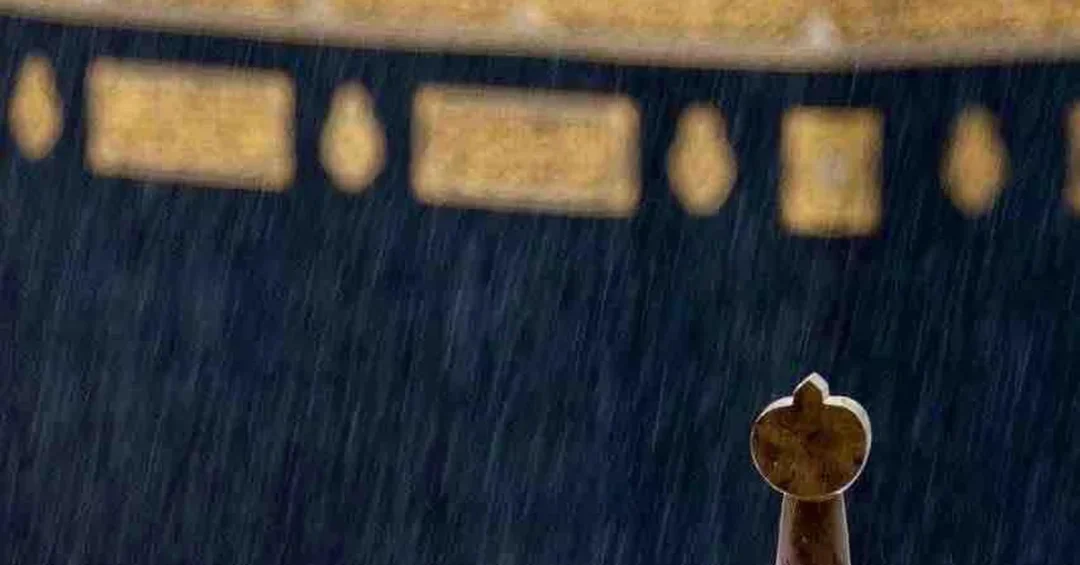
The Regional Program for Cloud Seeding has successfully concluded a research study revealing promising outcomes in enhancing rainfall and increasing the density of cumulus clouds in Makkah and the Holy Sites, the Saudi Press Agency reported on August 30, 2024. The study, conducted under the auspices of Saudi authorities, also examined weather elements in Taif Governorate to identify additional opportunities for weather improvement, marking a significant step in the Kingdom’s efforts to bolster water security and support sustainable development.
Context and Background
Cloud seeding is a weather modification technique used to increase precipitation by dispersing substances into clouds that encourage rain formation. Saudi Arabia has invested in this technology as part of broader strategies to address water scarcity, a pressing challenge in arid regions. The program focuses on enhancing rainfall in areas of high importance, particularly Makkah, which hosts millions of pilgrims annually, and the Holy Sites, where water demand surges during peak religious seasons.
Key Details
The research study involved detailed analysis of cumulus cloud formations and weather patterns in Makkah and the Holy Sites, along with Taif Governorate, known for its unique microclimate. The findings indicated that targeted cloud seeding could increase rainfall density, offering a reliable method to supplement natural water resources. The research team is set to participate in an upcoming international rainmakers conference, where they will present findings to experts worldwide, showcasing the Kingdom’s advancements in weather modification efforts. The program will now proceed with practical experiments to complete remaining research elements and share detailed findings with relevant stakeholders.
Implications and Impact
Enhanced rainfall in Makkah and the Holy Sites contributes directly to water availability for residents and visitors, reducing reliance on desalination and groundwater extraction. The study’s success positions Saudi Arabia as a leader in weather modification technology, with potential regional benefits. By sharing findings at international forums, the Kingdom fosters collaboration on water security, a critical issue in the Middle East, while strengthening its role in global scientific research and environmental sustainability.
Vision 2030 Alignment
This initiative aligns closely with Vision 2030, Saudi Arabia’s blueprint for economic diversification and sustainable development, by advancing water security and promoting innovation in environmental management. The cloud seeding program supports the Kingdom’s goal of ensuring long-term resource sustainability, enhancing quality of life, and positioning Saudi Arabia as a hub for cutting-edge research. As the program moves to experimental phases, it underscores the Kingdom’s commitment to leveraging technology for national prosperity and global environmental stewardship.
20 Questions
Q1. What is the Regional Program for Cloud Seeding?
A1. The Regional Program for Cloud Seeding is a Saudi initiative aimed at enhancing rainfall through weather modification technology, supporting water security and sustainability under Vision 2030.
Q2. What did the research study reveal?
A2. The study revealed promising outcomes in enhancing rainfall and increasing cumulus cloud density in Makkah and the Holy Sites, offering a reliable method to supplement natural water resources.
Q3. Where was the study conducted?
A3. The study was conducted in Makkah, the Holy Sites, and Taif Governorate, examining weather elements to identify additional opportunities for weather improvement.
Q4. Why is cloud seeding important for Saudi Arabia?
A4. Cloud seeding helps address water scarcity, a critical challenge in arid regions, by increasing precipitation to support agriculture, urban water supply, and pilgrim services.
Q5. How does this study benefit Makkah and the Holy Sites?
A5. It enhances water availability for residents and millions of pilgrims, reducing stress on desalination and groundwater resources during peak seasons.
Q6. What is the next step for the cloud seeding program?
A6. The program will move forward with practical experiments to complete remaining research elements and share detailed findings with stakeholders.
Q7. Will the findings be shared internationally?
A7. Yes, the research team will present findings at an upcoming international rainmakers conference, showcasing Saudi Arabia’s advancements in weather modification.
Q8. What is the role of Taif Governorate in the study?
A8. The study examined weather elements in Taif Governorate to identify additional opportunities for weather improvement, leveraging its unique microclimate.
Q9. Who reported on this study?
A9. The Saudi Press Agency reported on the study’s conclusion and findings on August 30, 2024, as an official Saudi source.
Q10. How does cloud seeding work?
A10. Cloud seeding works by dispersing substances like silver iodide into clouds to encourage moisture condensation and increase precipitation, effectively enhancing rainfall.
Q11. What are the broader benefits of this research?
A11. The research positions Saudi Arabia as a leader in weather modification, fostering international collaboration on water security and environmental sustainability.
Q12. How does this align with Vision 2030?
A12. It supports Vision 2030 by promoting sustainable water management, innovation in environmental technology, and improving quality of life for citizens and visitors.
Q13. What materials are used in Saudi cloud seeding?
A13. The program uses environmentally safe materials, such as silver iodide and other agents, to enhance cloud formation and rainfall, following strict protocols.
Q14. How does this study impact pilgrims?
A14. Increased rainfall improves water supply for pilgrims in Makkah and Holy Sites, ensuring better access to clean water during Hajj and Umrah seasons.
Q15. What is the international rainmakers conference?
A15. The international rainmakers conference is a global forum where experts share research on weather modification, providing a platform for Saudi scientists to present findings.
Q16. Who oversees the cloud seeding program?
A16. The program is overseen by Saudi government agencies, including the Ministry of Environment, Water and Agriculture, ensuring alignment with national water strategies.
Q17. Has Saudi Arabia used cloud seeding before?
A17. Yes, Saudi Arabia has implemented cloud seeding for years, with previous projects in regions like Asir and Riyadh to boost rainfall and support agriculture.
Q18. What makes this study significant?
A18. This study is significant for its focus on Makkah and Holy Sites, areas with unique weather patterns and high water demand, providing targeted solutions.
Q19. How does this study support water security?
A19. By increasing rainfall, the study reduces reliance on energy-intensive desalination, contributing to long-term water security and environmental sustainability in the Kingdom.
Q20. What is the future of the program?
A20. The program will continue with practical experiments and collaboration with international experts, aiming to refine technology and expand applications across Saudi Arabia.
Reader Feedback
We value your thoughts. Please share your feedback on this article.
Your feedback helps us improve our coverage.