


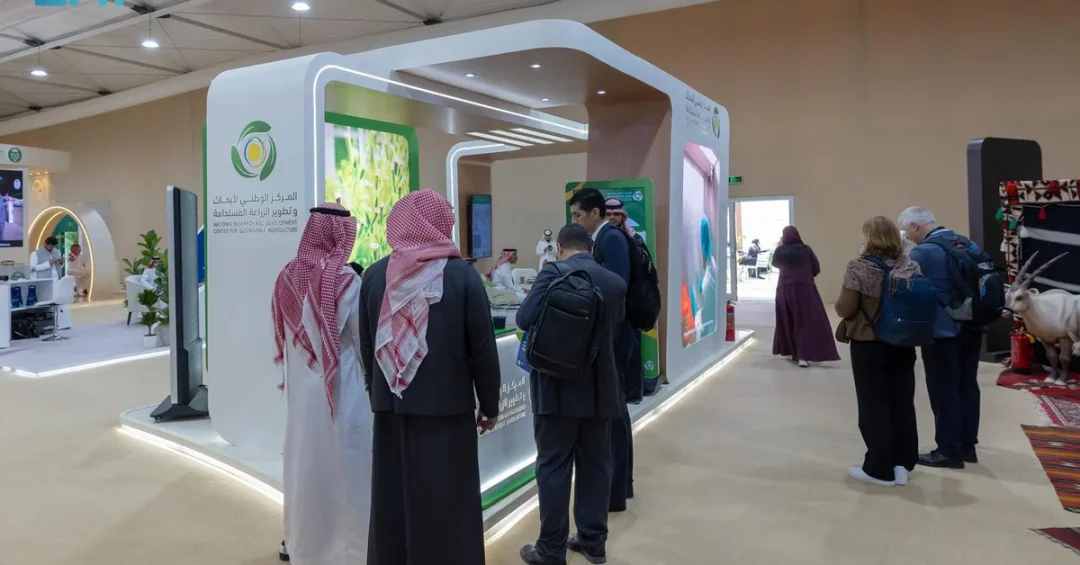
The National Center for Sustainable Agriculture Research and Development (Estidamah) is showcasing advanced sustainable agriculture innovations at the 16th session of the Conference of the Parties (COP16) of the United Nations Convention to Combat Desertification (UNCCD) in Riyadh, running from December 2 to December 13, 2024. The event convenes representatives from 197 countries to address critical issues including desertification, drought, and land restoration, with Estidamah playing a central role in highlighting Saudi Arabia’s commitment to environmental sustainability.
Context and Background
Estidamah, a key Saudi institution under the Ministry of Environment, Water and Agriculture, is participating in UNCCD COP16 to demonstrate its leadership in sustainable agriculture research. The conference, held in Riyadh, serves as a global platform for nations to collaborate on combating desertification and mitigating the impacts of climate change. Estidamah’s presence underscores the Kingdom’s strategic focus on innovative agricultural solutions as part of its broader Vision 2030 goals to enhance food security and environmental resilience.
Key Details from the Conference
At its dedicated pavilion, Estidamah is hosting workshops that explore innovative strategies for reducing the effects of desertification and drought. These sessions focus on adaptive solutions to ensure the sustainability of agricultural resources, including modern greenhouse management systems, biological pest control, and integrated water management techniques. Visitors can explore cutting-edge research and applied projects that emphasize the role of technology in preserving agricultural resources and contributing to global sustainable development goals.
Implications and International Impact
Estidamah’s participation aligns with the UNCCD’s objectives, highlighting the importance of collaborative approaches to addressing land degradation and building resilience against drought. By showcasing its expertise, Estidamah reinforces Saudi Arabia’s dedication to environmental sustainability and positions the Kingdom as a key player in driving global solutions for a more resilient agricultural future. This engagement also strengthens international partnerships and knowledge exchange, benefiting both regional and global efforts to combat desertification.
Vision 2030 Alignment
This initiative directly supports Saudi Vision 2030 by advancing sustainable agricultural practices, enhancing food security, and promoting environmental stewardship. Estidamah’s work at UNCCD COP16 reflects the Kingdom’s long-term vision to achieve economic diversification, preserve natural resources, and contribute to global sustainability goals. As Saudi Arabia continues to lead in environmental innovation, such efforts ensure a prosperous and resilient future for generations to come.
20 Questions
Q1. What is Estidamah?
A1. Estidamah is the National Center for Sustainable Agriculture Research and Development in Saudi Arabia, focused on advancing agricultural sustainability through research and innovation under the Ministry of Environment, Water and Agriculture.
Q2. What event is Estidamah participating in?
A2. Estidamah is participating in the 16th session of the Conference of the Parties (COP16) of the United Nations Convention to Combat Desertification (UNCCD) in Riyadh, held from December 2 to December 13, 2024.
Q3. How many countries are represented at UNCCD COP16?
A3. Representatives from 197 countries are attending UNCCD COP16 in Riyadh to address desertification, drought, and land restoration issues.
Q4. What is the main focus of Estidamah’s workshops at the conference?
A4. Estidamah’s workshops focus on innovative strategies for mitigating the impacts of desertification and drought, including climate change adaptation and sustainable agricultural resource management.
Q5. What technologies are Estidamah showcasing at its pavilion?
A5. Estidamah is showcasing modern greenhouse management systems, biological pest control, and integrated water management techniques as part of its advanced sustainable agriculture technologies.
Q6. How does Estidamah’s work align with the UNCCD’s goals?
A6. Estidamah’s work supports the UNCCD’s goals by promoting collaborative approaches to combat desertification, address land degradation, and build resilience against drought.
Q7. What is the role of technology in Estidamah’s projects?
A7. Technology plays a critical role in Estidamah’s projects by preserving agricultural resources, improving efficiency, and contributing to global sustainable development goals.
Q8. How does Estidamah’s participation benefit Saudi Arabia?
A8. Estidamah’s participation reinforces Saudi Arabia’s dedication to environmental sustainability and positions the Kingdom as a leader in innovative agricultural solutions.
Q9. What is the significance of UNCCD COP16 being held in Riyadh?
A9. Holding UNCCD COP16 in Riyadh highlights Saudi Arabia’s commitment to global environmental cooperation and provides a platform for the Kingdom to share its sustainability expertise.
Q10. Who organizes Estidamah?
A10. Estidamah is organized under the Saudi Ministry of Environment, Water and Agriculture, reflecting the government’s focus on sustainable agriculture research.
Q11. What are biological pest control methods?
A11. Biological pest control involves using natural predators or organisms to manage pests, reducing the need for chemical pesticides and promoting environmental health.
Q12. How does integrated water management help agriculture?
A12. Integrated water management optimizes water use in agriculture through techniques like efficient irrigation, recycling, and conservation, ensuring sustainability in arid regions.
Q13. What is desertification?
A13. Desertification is the process by which fertile land becomes desert, often due to drought, deforestation, or unsustainable agriculture, leading to reduced agricultural productivity.
Q14. How does Estidamah contribute to global sustainable development?
A14. Estidamah contributes by developing and sharing technologies that enhance agricultural resilience, reduce environmental impact, and support food security worldwide.
Q15. What is the role of workshops at UNCCD COP16?
A15. Workshops at UNCCD COP16 facilitate knowledge exchange and capacity building, allowing countries to learn best practices for combating desertification and drought.
Q16. How does Estidamah’s work support food security in Saudi Arabia?
A16. Estidamah’s research improves crop yield and resource efficiency, helping Saudi Arabia reduce dependency on food imports and enhance local food production.
Q17. What is Saudi Vision 2030?
A17. Saudi Vision 2030 is a strategic framework to diversify the economy, enhance public services, and promote sustainability, including environmental and agricultural goals.
Q18. How does Estidamah’s pavilion engage visitors?
A18. Estidamah’s pavilion offers in-depth displays of research projects and interactive sessions, allowing visitors to explore advanced sustainable agriculture technologies firsthand.
Q19. What are some adaptive solutions for drought discussed at the conference?
A19. Adaptive solutions include drought-resistant crops, efficient water use systems, and soil conservation techniques, all aimed at maintaining agricultural productivity under dry conditions.
Q20. What is the future outlook for Estidamah’s initiatives?
A20. Estidamah will continue to drive innovation in sustainable agriculture, supporting Vision 2030 and global efforts to combat desertification through research and international collaboration.
Reader Feedback
We value your thoughts. Please share your feedback on this article.
Your feedback helps us improve our coverage.