


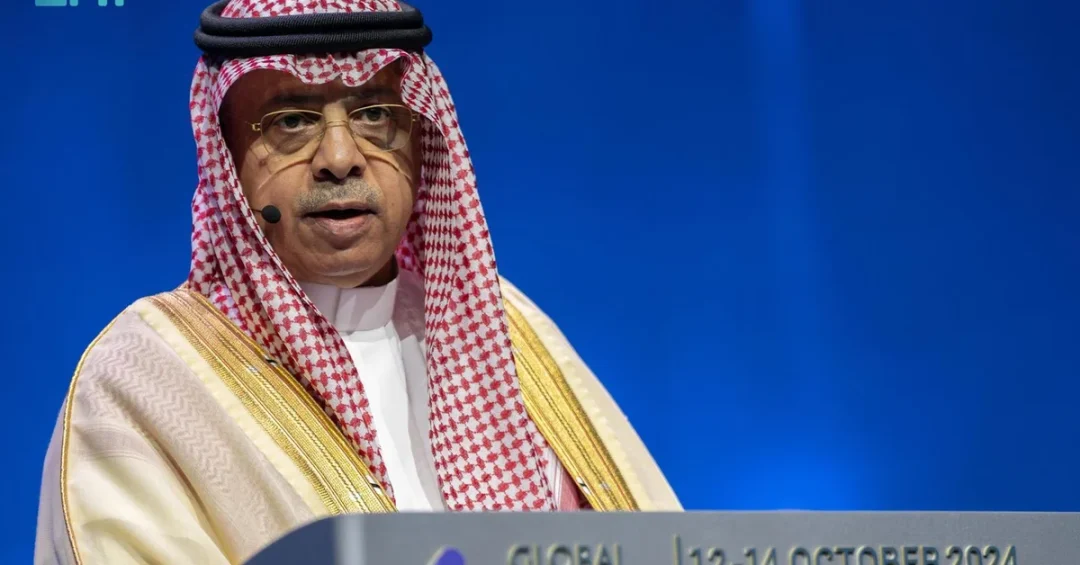
RIYADH, October 13, 2024 (SPA) — The President of the General Authority of Civil Aviation (GACA), Abdulaziz bin Abdullah Al-Duailej, announced that the National Aviation Strategy is centered on positioning the Kingdom of Saudi Arabia as one of the world’s leading logistics hubs by 2030. Speaking during a panel discussion at the Global Logistics Forum in Riyadh, Al-Duailej emphasized the strategic importance of air freight in enhancing the Kingdom’s global logistics leadership.
Context and Background
The Global Logistics Forum, held under the patronage of the Custodian of the Two Holy Mosques King Salman bin Abdulaziz Al Saud and organized by the Ministry of Transport and Logistics from October 12 to 14, brought together global stakeholders to discuss the future of logistics. Al-Duailej’s remarks underscored the Kingdom’s unique geographical position at the crossroads of three continents, a location that places approximately 50% of the world’s population within a five-hour flight, enabling quick and efficient access to vital markets through air freight.
Key Details
Al-Duailej explained that the National Aviation Strategy aims to significantly expand the Kingdom’s air freight capabilities. The plan includes increasing the national cargo fleet from seven cargo planes to 27, in collaboration with national carriers. Additionally, the Kingdom’s overall aircraft fleet is expected to grow from 241 to 657 by 2030, comprising 187 wide-body and 470 narrow-body aircraft. This expansion, Al-Duailej noted, will position the Kingdom’s aviation infrastructure as a globally competitive power, particularly in a world where supply chains face increasing pressure due to geopolitical factors.
Implications and Impact
The strategy’s implications extend beyond aviation, reinforcing Saudi Arabia’s role as a pivotal link in global trade routes. By enhancing air freight capabilities, the Kingdom aims to strengthen its supply chain resilience and reduce transit times for goods between Asia, Europe, and Africa. This development aligns with broader trends in the logistics sector, where efficiency and speed are critical. The expansion is expected to attract international logistics companies and boost the Kingdom’s non-oil trade, contributing to economic diversification.
Vision 2030 Alignment
The National Aviation Strategy is a cornerstone of Saudi Arabia’s Vision 2030, which seeks to transform the Kingdom into a global investment powerhouse and a hub connecting three continents. By improving logistics infrastructure and expanding aviation capacity, the strategy directly supports objectives to enhance trade, attract foreign investment, and create diverse employment opportunities. As GACA President Al-Duailej highlighted, leveraging the Kingdom’s geographical advantages and investing in aviation will enable Saudi Arabia to achieve its goal of becoming one of the best logistics hubs by 2030, driving sustained economic growth and regional integration.
20 Questions
Q1. What is the main focus of the National Aviation Strategy?
A1. The strategy focuses on positioning the Kingdom of Saudi Arabia as one of the world’s leading logistics hubs by 2030, leveraging its unique geographical location and expanding air freight capabilities.
Q2. Who announced the details of this strategy?
A2. The President of the General Authority of Civil Aviation (GACA), Abdulaziz bin Abdullah Al-Duailej, announced it during a panel discussion at the Global Logistics Forum in Riyadh.
Q3. What event was the forum part of?
A3. The Global Logistics Forum was held under the patronage of Custodian of the Two Holy Mosques King Salman bin Abdulaziz Al Saud and organized by the Ministry of Transport and Logistics from October 12 to 14.
Q4. What makes Saudi Arabia’s location strategically important?
A4. The Kingdom is at the crossroads of three continents, with about 50% of the world’s population within a five-hour flight, enabling fast, efficient access to global markets via air freight.
Q5. How many cargo planes does Saudi Arabia aim to have?
A5. The Kingdom aims to increase its air freight fleet from seven cargo planes to 27, in collaboration with national carriers.
Q6. What is the target total aircraft fleet size by 2030?
A6. By 2030, the total aircraft fleet is expected to increase from 241 to 657, including 187 wide-body and 470 narrow-body aircraft.
Q7. How does the strategy address global supply chain pressures?
A7. By expanding air freight capabilities, the strategy aims to strengthen supply chain resilience and reduce transit times, especially given rising geopolitical pressures on global supply chains.
Q8. What is the role of national carriers in this plan?
A8. National carriers will collaborate with GACA to expand the cargo fleet and increase the overall number of aircraft, supporting the Kingdom’s air freight goals.
Q9. How does the strategy support Vision 2030?
A9. It aligns with Vision 2030’s goals of economic diversification, attracting foreign investment, and creating jobs by transforming the Kingdom into a global logistics hub.
Q10. What is the expected impact on trade?
A10. The expansion will boost non-oil trade by improving logistics infrastructure and attracting international companies, enhancing Saudi Arabia’s role in global trade routes.
Q11. Why is air freight emphasized over other modes of transport?
A11. Air freight offers speed and efficiency, crucial for modern supply chains, and leverages the Kingdom’s central location for quick connections between Asia, Europe, and Africa.
Q12. How will the increased fleet benefit the economy?
A12. Increased fleet capacity will create aviation-related jobs, support tourism, and stimulate growth in sectors like manufacturing and e-commerce through improved logistics.
Q13. What types of aircraft are being added?
A13. The fleet will include 187 wide-body and 470 narrow-body aircraft, balancing long-haul cargo and passenger capabilities for comprehensive connectivity.
Q14. Is the strategy only about cargo planes?
A14. No, it includes expanding both cargo and passenger aircraft, with a focus on strengthening overall aviation infrastructure to support logistics.
Q15. How does the strategy address competition with other hubs?
A15. The unique geographical advantage and significant investment in fleet expansion position Saudi Arabia to compete with established hubs by offering faster connections to emerging markets.
Q16. What is the timeline for achieving these goals?
A16. The strategy targets achieving these milestones by 2030, aligning with the broader Vision 2030 timeline for national transformation.
Q17. What role did the government play in the forum?
A17. The Ministry of Transport and Logistics organized the forum, with patronage from King Salman, highlighting government commitment to the logistics sector.
Q18. How does this initiative support global trade?
A18. By improving air cargo capacity and connecting continents faster, it facilitates smoother global trade flows, benefiting international businesses and supply chains.
Q19. What is the long-term vision for the aviation sector?
A19. The vision is to make Saudi Arabia a top global logistics hub, with advanced aviation infrastructure supporting continued economic growth and international partnerships.
Q20. How will this affect the Saudi workforce?
A20. The expansion will create thousands of jobs in aviation, logistics, and related sectors, contributing to Vision 2030’s goal of increasing workforce participation and skill development.
Reader Feedback
We value your thoughts. Please share your feedback on this article.
Your feedback helps us improve our coverage.