


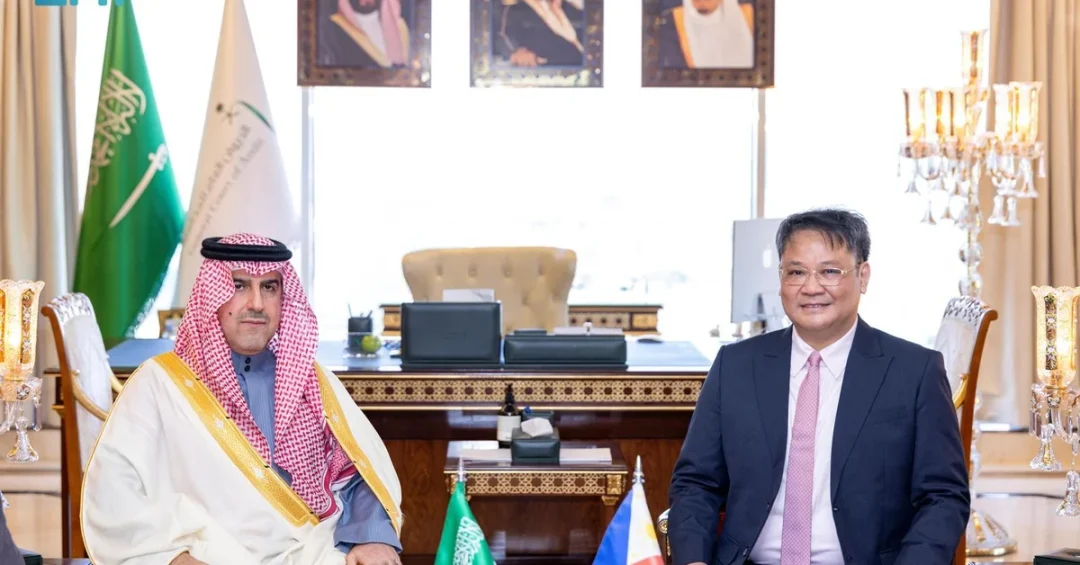
RIYADH — President of the General Court of Audit (GCA) Dr. Hussam Alangari met today with Chairperson of the Commission on Audit of the Republic of the Philippines Gamaliel A. Cordoba at GCA’s headquarters in Riyadh, marking a significant step in bilateral audit cooperation between the two nations. The meeting, attended by Cordoba’s accompanying delegation, focused on enhancing mutual collaboration and sharing expertise in auditing and financial oversight.
Context and Background
The meeting aligns with the objectives of the Asian Organization of Supreme Audit Institutions (ASOSAI), of which both the GCA and the Philippine Commission on Audit are active members. The discussions aimed to strengthen cooperation across various domains, including performance auditing, human capital development, and the exchange of best practices. This engagement reflects Saudi Arabia’s broader commitment to fostering international partnerships and knowledge-sharing under Vision 2030, which emphasizes transparency and efficiency in public financial management.
Key Details
During the meeting, Dr. Alangari emphasized the significance of the visit, highlighting its role in fostering collaboration and knowledge-sharing between the two organizations. He underscored the importance of leveraging each other’s experiences to improve audit processes and enhance oversight mechanisms. Cordoba expressed his gratitude for the warm hospitality extended to him and his delegation, reiterating his commitment to strengthening the cooperative relationship between the two audit institutions. The discussions specifically explored ways to enhance performance efficiency and develop human capital in both organizations, which are critical for achieving ASOSAI’s goals of promoting transparency and accountability.
Implications and Impact
The meeting has broader implications for regional and international audit cooperation, as it reinforces the collaborative framework within ASOSAI and sets a precedent for bilateral exchanges. By aligning their efforts, the GCA and the Philippine Commission on Audit can contribute to improved governance and financial management practices in Asia. This partnership also supports Saudi Arabia’s strategy to share its expertise in modernization and efficiency, potentially influencing audit standards across the region. The exchange of knowledge and methodologies is expected to yield long-term benefits for both countries in terms of public sector performance.
Vision 2030 Alignment
This engagement directly supports Saudi Arabia’s Vision 2030 goals by promoting good governance, transparency, and accountability in public finances. The GCA’s collaboration with international partners like the Philippine Commission on Audit reflects the Kingdom’s commitment to enhancing its institutional capacity and adopting global best practices. As Vision 2030 continues to drive economic and social transformation, such partnerships are essential for building a modern, efficient government sector that benefits all stakeholders, both domestically and internationally.
20 Questions
Q1. Who met at the GCA headquarters in Riyadh?
A1. The President of the General Court of Audit (GCA), Dr. Hussam Alangari, met with the Chairperson of the Commission on Audit of the Republic of the Philippines, Gamaliel A. Cordoba, along with his delegation.
Q2. What was the main purpose of the meeting?
A2. The meeting aimed to strengthen cooperation between the two audit institutions and identify ways to enhance collaboration across various domains related to auditing and financial oversight.
Q3. Which international organization do both audit bodies belong to?
A3. Both the GCA and the Philippine Commission on Audit are members of the Asian Organization of Supreme Audit Institutions (ASOSAI).
Q4. What specific topics were discussed during the meeting?
A4. They discussed ways to enhance performance efficiency, exchange expertise, and develop human capital in both organizations.
Q5. How does this meeting align with Vision 2030?
A5. It supports Vision 2030’s goals of promoting transparency, accountability, and good governance in public financial management by fostering international cooperation.
Q6. Who emphasized the significance of the visit?
A6. Dr. Hussam Alangari emphasized the significance of the visit, highlighting its role in fostering collaboration and knowledge-sharing.
Q7. What was Cordoba’s response to the hospitality?
A7. Cordoba expressed his gratitude for the warm hospitality extended to him and his delegation, emphasizing his commitment to strengthening the cooperative relationship.
Q8. What is the General Court of Audit (GCA)?
A8. The GCA is Saudi Arabia’s supreme audit institution, responsible for overseeing public finances and ensuring accountability in government spending.
Q9. What is the Commission on Audit of the Philippines?
A9. It is the supreme audit institution of the Philippines, tasked with auditing government revenues and expenditures to ensure transparency and efficiency.
Q10. How does this meeting benefit ASOSAI?
A10. It reinforces cooperation among ASOSAI members, promoting shared goals of transparency and accountability in public auditing across Asia.
Q11. What is the primary goal of human capital development in this context?
A11. The goal is to enhance the skills and expertise of audit staff in both organizations to improve performance and oversight capabilities.
Q12. Why is performance efficiency important in auditing?
A12. Performance efficiency helps ensure that audit processes are effective, cost-efficient, and capable of identifying areas for improvement in public sector management.
Q13. How does this meeting reflect Saudi Arabia’s global role?
A13. It showcases Saudi Arabia’s leadership in promoting international cooperation and sharing best practices in governance and accountability.
Q14. What is the Asian Organization of Supreme Audit Institutions?
A14. ASOSAI is a regional body that promotes collaboration among supreme audit institutions in Asia, focusing on transparency and accountability.
Q15. When did this meeting take place?
A15. The meeting took place today, January 5, 2025, at GCA’s headquarters in Riyadh.
Q16. What was the main outcome of the discussions?
A16. The discussions identified ways to strengthen cooperation and enhance collaboration in auditing, which was mutually agreed upon by both parties.
Q17. How does this meeting benefit the Philippines?
A17. It allows the Philippine Commission on Audit to access Saudi expertise and strengthen its auditing practices, enhancing its oversight capabilities.
Q18. How does this meeting benefit Saudi Arabia?
A18. It helps Saudi Arabia share its expertise and build international partnerships, supporting its Vision 2030 goals of modernization and transparency.
Q19. What role does knowledge-sharing play in this context?
A19. Knowledge-sharing facilitates the exchange of best practices and methodologies, improving audit quality and fostering institutional growth.
Q20. What is the long-term significance of this meeting?
A20. It strengthens bilateral relations and sets a foundation for ongoing collaboration in auditing, contributing to better governance in both countries and the region.
Reader Feedback
We value your thoughts. Please share your feedback on this article.
Your feedback helps us improve our coverage.