


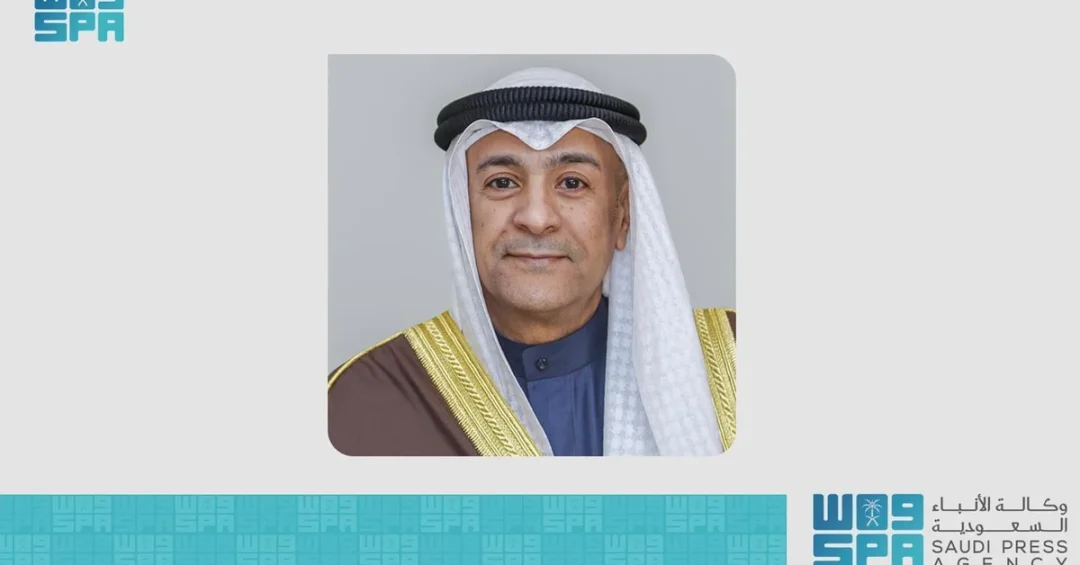
The Gulf Cooperation Council (GCC), through its Secretary-General Jassim Mohammed Al-Budaiwi, officially welcomed the ceasefire agreement between the Lebanese Republic and the Israeli occupation forces on November 27, 2024. The GCC expressed hope that this agreement represents a serious step toward ending the war in Lebanon and ensuring the safety of civilians.
Context and Background
This ceasefire agreement marks a significant diplomatic development in a region long affected by conflict. The GCC’s endorsement comes as part of its ongoing commitment to regional stability and the welfare of the Lebanese people. The agreement aims to facilitate Israel’s withdrawal from Lebanese territory and the full implementation of UN Security Council Resolution 1701, which has been a cornerstone of international efforts to secure peace along the Lebanon-Israel border since 2006.
Key Details
Secretary-General Al-Budaiwi emphasized that the ceasefire agreement will play a crucial role in protecting the lives of innocent civilians and creating conditions for the implementation of all international resolutions related to Lebanon. He called on all parties to fully adhere to the terms of the agreement to contribute to broader security and stability in the region. Al-Budaiwi also stressed the GCC’s firm stance in support of the Lebanese people, highlighting the organization’s commitment to Lebanon’s sovereignty, security, and stability. This position was previously outlined in the 161st Ministerial Statement of the GCC, which called for the full implementation of Security Council Resolution 1701 and underscored the need for Israel to respect Lebanese borders. The statement also emphasized the importance of the Lebanese government extending its control over all Lebanese territories in line with relevant Security Council resolutions and the Taif Agreement.
Implications and Impact
The ceasefire agreement, welcomed by the GCC, is expected to reduce immediate tensions along the Lebanon-Israel border and provide a pathway for displaced civilians to return to their homes. By supporting this agreement, the GCC reinforces its role as a key diplomatic actor in the Middle East, advocating for peace and adherence to international law. The move also aligns with broader regional efforts to de-escalate conflicts and foster stability, which are essential for economic development and the well-being of all communities in the area.
Vision 2030 Alignment
The GCC’s proactive support for the ceasefire in Lebanon reflects Saudi Arabia’s strategic vision under Vision 2030, which prioritizes regional stability and diplomatic engagement as foundations for economic growth and international cooperation. By championing peace initiatives and the implementation of UN resolutions, the Kingdom and its GCC partners demonstrate their commitment to a stable and prosperous Middle East, contributing to a more secure environment for investment, tourism, and cultural exchange envisioned by Vision 2030.
20 Questions
Q1. What is the Gulf Cooperation Council (GCC)?
A1. The Gulf Cooperation Council is a political and economic alliance of six Middle Eastern countries: Saudi Arabia, Kuwait, the United Arab Emirates, Qatar, Bahrain, and Oman, working to enhance regional cooperation and stability.
Q2. What is the ceasefire agreement in Lebanon about?
A2. The ceasefire agreement is a deal between Lebanon and Israeli occupation forces to end hostilities, with provisions for Israel’s withdrawal from Lebanese territory and the return of displaced persons.
Q3. Who announced the GCC’s welcome of the ceasefire?
A3. Secretary-General of the GCC, Jassim Mohammed Al-Budaiwi, made the announcement welcoming the ceasefire agreement between Lebanon and the Israeli occupation forces.
Q4. When did the GCC welcome the ceasefire agreement?
A4. The GCC welcomed the ceasefire agreement on November 27, 2024, as reported by the Saudi Press Agency (SPA).
Q5. What is UN Security Council Resolution 1701?
A5. UN Security Council Resolution 1701, adopted in 2006, calls for a cessation of hostilities between Israel and Lebanon, the withdrawal of Israeli forces, and the strengthening of the Lebanese army in southern Lebanon.
Q6. Why is the implementation of Resolution 1701 important?
A6. Implementation of Resolution 1701 is crucial for ensuring long-term peace, as it addresses the root causes of the conflict and promotes the sovereignty and territorial integrity of Lebanon.
Q7. What is the Taif Agreement?
A7. The Taif Agreement, signed in 1989, ended the Lebanese Civil War and established a framework for political reform, including the distribution of power among Lebanon’s religious communities.
Q8. How does the ceasefire protect innocent civilians?
A8. The ceasefire halts military operations, reducing the risk of casualties and allowing civilians to return to their homes safely, as emphasized by GCC Secretary-General Al-Budaiwi.
Q9. What role does the GCC play in the region?
A9. The GCC serves as a platform for collective action among Gulf states, promoting economic integration, security cooperation, and diplomatic initiatives to maintain regional stability.
Q10. How does this ceasefire relate to Vision 2030?
A10. The ceasefire aligns with Vision 2030 by fostering regional peace, which is essential for economic diversification, foreign investment, and the Kingdom’s global engagement goals.
Q11. What is the 161st Ministerial Statement of the GCC?
A11. The 161st Ministerial Statement is a formal declaration by GCC foreign ministers that outlines the council’s stance on regional issues, including support for Lebanon’s sovereignty and the full implementation of Resolution 1701.
Q12. Who is Jassim Mohammed Al-Budaiwi?
A12. Jassim Mohammed Al-Budaiwi is the Secretary-General of the Gulf Cooperation Council, responsible for leading the organization’s administrative and diplomatic efforts.
Q13. Why does the GCC support Lebanon’s sovereignty?
A13. The GCC supports Lebanon’s sovereignty to ensure regional stability, uphold international law, and prevent conflicts that could destabilize the broader Middle East.
Q14. What is the expected outcome of the ceasefire for displaced people?
A14. The ceasefire is expected to enable the safe return of displaced civilians to their homes, as outlined by Secretary-General Al-Budaiwi in his statement.
Q15. How does the ceasefire affect regional security?
A15. The ceasefire reduces immediate threats along the Lebanon-Israel border and lowers the risk of wider regional conflict, contributing to a more stable security environment.
Q16. What does the GCC call on parties to do?
A16. The GCC calls on all parties to fully adhere to the ceasefire agreement to achieve security and stability in the region, as stated by Al-Budaiwi.
Q17. What are the main terms of the ceasefire agreement?
A17. The main terms include a halt to hostilities, Israel’s withdrawal from Lebanese territory, and the full implementation of UN Security Council Resolution 1701.
Q18. How does this agreement support international resolutions?
A18. The agreement creates conditions for implementing all international resolutions related to Lebanon, including those concerning border security and state control.
A19. The SPA is the official news agency of Saudi Arabia, reporting on government announcements and events to ensure transparent communication.
Q20. What is the broader significance of the GCC’s welcome?
A20. The GCC’s welcome reinforces its role as a diplomatic leader in the Middle East, promoting peace and stability in line with its members’ strategic interests.
Reader Feedback
We value your thoughts. Please share your feedback on this article.
Your feedback helps us improve our coverage.