


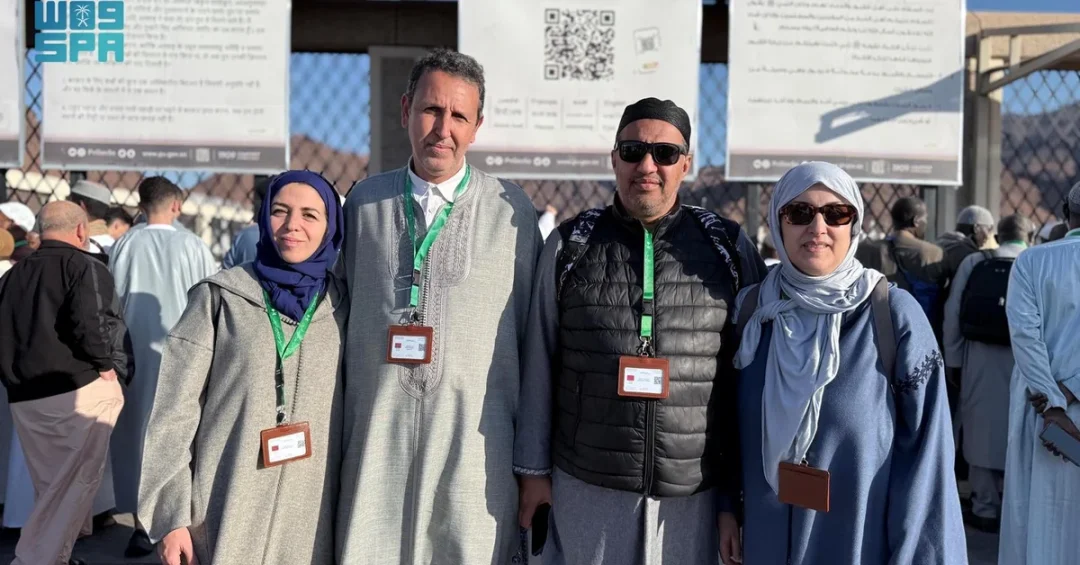
Participants in the Custodian of the Two Holy Mosques Program for Umrah and Visitation have praised Saudi Arabia’s cultural and religious heritage, highlighting the Kingdom’s development and its leadership as a premier global destination for faith and history. The commendations came during a cultural tour of religious and historical sites in Madinah, organized by the Ministry of Islamic Affairs, Dawah and Guidance, as part of a broader initiative that includes visits to the Two Holy Mosques and Umrah performance.
Context and Background
Launched under the patronage of the Custodian of the Two Holy Mosques, King Salman bin Abdulaziz Al Saud, the program invites distinguished guests from around the world to experience Saudi Arabia’s sacred sites and deep Islamic history. The initiative reflects the Kingdom’s ongoing commitment to hospitality, cultural preservation, and the promotion of interfaith understanding. The January 2025 tour in Madinah allowed participants to explore landmarks tied to the life of the Prophet Muhammad (peace be upon him), underscoring the importance of preserving these sites for future generations.
Key Details
Visitors expressed admiration for the Kingdom’s efforts in maintaining historical monuments and archaeological treasures. Sheikh Khadem Mbaki, a preacher from Senegal, noted that the sites vividly illustrate Islamic civilization’s milestones and commended Saudi dedication to visitor well-being. Ali Coulibaly from Mali remarked on the Kingdom’s status as a cultural destination, citing developments in regions such as AlUla and Neom, and praised the rapid expansion of infrastructure that facilitates year-round access to historical sites. Mohammed Abdo Abu Yaali from Morocco and Amin Baddad from Algeria also voiced gratitude for the detailed historical insights and the hospitality extended by the Saudi leadership.
International Impact
The program’s global reach, attracting participants from countries across Africa and the Middle East, underscores Saudi Arabia’s role as a unifying force in the Islamic world. By enabling pilgrims to connect with their faith in a setting that blends tradition with modernity, the Kingdom strengthens its diplomatic and cultural ties. These exchanges foster mutual respect and understanding, positioning Saudi Arabia as a hub for religious tourism and cross-cultural dialogue, which resonates with international audiences seeking authentic experiences.
Vision 2030 Alignment
The Custodian of the Two Holy Mosques Program aligns seamlessly with Vision 2030, which aims to diversify the Kingdom’s economy and enhance its global standing through tourism, cultural preservation, and heritage development. By facilitating immersive religious and cultural tours, Saudi Arabia is not only preserving its Islamic legacy but also showcasing its modern infrastructure and world-class hospitality. This initiative contributes directly to the goals of welcoming millions of visitors annually and positioning the Kingdom as a leading destination for spiritual and historical enrichment, supporting a prosperous and sustainable future.
20 Questions
Q1. What is the Custodian of the Two Holy Mosques Program?
A1. It is an initiative launched by King Salman to invite distinguished guests from around the world to visit Saudi Arabia, perform Umrah, and explore Islamic and historical sites, promoting cultural exchange.
Q2. Who organized the cultural tour in Madinah?
A2. The tour was organized by the Ministry of Islamic Affairs, Dawah and Guidance, as part of the broader program for Umrah and Visitation.
Q3. What did participants praise during their visit?
A3. They praised Saudi Arabia’s cultural and religious heritage, the preservation of historical monuments, and the country’s rapid development across various fields.
Q4. Which countries were the participants from?
A4. Participants included guests from Senegal, Mali, Morocco, and Algeria, among other nations.
Q5. What did Sheikh Khadem Mbaki from Senegal say?
A5. He expressed joy at seeing Madinah’s cultural heritage, highlighted Islamic civilization through historical sites, and commended the Kingdom’s dedication to preserving landmarks.
Q6. Why did Ali Coulibaly from Mali call Saudi Arabia a global destination?
A6. He cited the Kingdom’s historical monuments in regions like AlUla and Neom and noted infrastructure projects that improve year-round access for tourists and pilgrims.
Q7. What did Mohammed Abdo Abu Yaali from Morocco appreciate?
A7. He appreciated the detailed explanations about historical sites’ connections to Islamic history and the life of the Prophet.
Q8. What did Amin Baddad from Algeria express?
A8. He expressed heartfelt thanks to the Saudi leadership for hosting him and shared the beautiful memories created during his visit to Madinah and Umrah.
Q9. What is the significance of Madinah in the program?
A9. Madinah holds profound religious importance for Muslims, and the program includes visits to sites connected to the Prophet, offering deep spiritual and historical enrichment.
Q10. How does the program promote Islamic heritage?
A10. By guiding guests through well-preserved monuments and providing educational context, the program showcases the depth of Islamic civilization and Saudi Arabia’s custodianship.
Q11. What role does the Ministry of Islamic Affairs play?
A11. The ministry organizes cultural tours and ensures guests have meaningful experiences at religious sites, reflecting Saudi Arabia’s commitment to faith and history.
Q12. How does the program align with Vision 2030?
A12. It supports Vision 2030 by boosting religious tourism, preserving culture, and enhancing Saudi Arabia’s global image as a modern and welcoming destination.
Q13. What regions were mentioned as cultural highlights?
A13. AlUla and Neom were noted as regions with historical monuments and archaeological sites that represent Saudi Arabia’s rich heritage.
Q14. Why is the program important for global relations?
A14. It strengthens ties with Islamic countries by fostering mutual respect, understanding, and shared appreciation of religious and cultural heritage.
Q15. What infrastructure developments were praised?
A15. Participants praised rapid improvements in transportation, facilities, and services that welcome tourists and ensure smooth year-round access to historical sites.
Q16. How does the program ensure visitor well-being?
A16. The Kingdom provides comprehensive hospitality, including comfortable accommodations, guided tours, and medical support, ensuring a safe and enriching experience.
Q17. What is the role of the Custodian of the Two Holy Mosques?
A17. The Custodian, King Salman, oversees the program, reflecting his personal commitment to serving guests of the holy sites and preserving Islamic traditions.
Q18. How does Madinah’s heritage reflect Islamic civilization?
A18. The city contains locations central to the Prophet’s life, such as mosques and battlefields, which illuminate the early history and values of Islam.
Q19. What emotions did participants express?
A19. Participants expressed joy, gratitude, and spiritual fulfillment, with many praying for the program’s continued success and the Kingdom’s prosperity.
Q20. Where can more information about this program be found?
A20. Official updates are released by the Saudi Press Agency (SPA) and the Ministry of Islamic Affairs, Dawah and Guidance.
Reader Feedback
We value your thoughts. Please share your feedback on this article.
Your feedback helps us improve our coverage.