


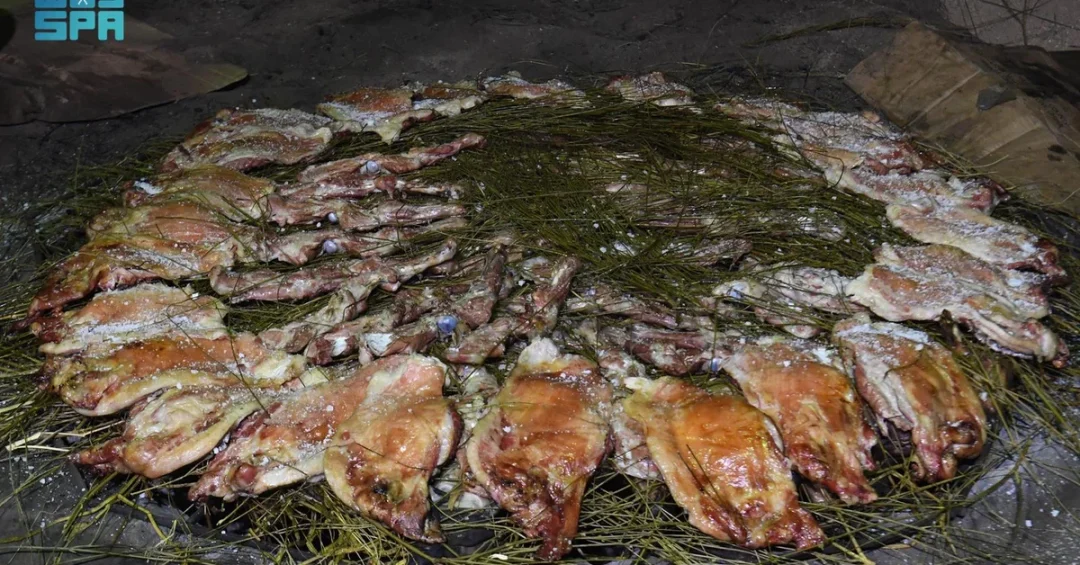
Haneeth, a traditional Saudi dish from the Aseer region, has been captivating taste buds for centuries as a slow-cooked meat delicacy prepared in a traditional pit oven. Recently highlighted by the Saudi Press Agency, this culinary treasure reflects the Kingdom’s rich gastronomic heritage and its commitment to preserving cultural traditions under Vision 2030.
Context and Background
Haneeth is deeply rooted in the cultural identity of Aseer, a mountainous region in southwestern Saudi Arabia known for its distinct cuisine. The dish is prepared using prime cuts of lamb, goat, or camel, marinated with simple yet flavorful spices and layered with aromatic herbs like Leptadenia pyrotechnica, a desert herb that imparts a smoky, distinctive flavor. The meat is cooked slowly over low heat in a sealed pit, resulting in tender, juicy meat that is a symbol of generosity and hospitality in Saudi culture.
Key Details
Often served at weddings, festivals, and special occasions, haneeth is more than just a meal—it is a cultural experience that showcases the Kingdom’s communal traditions. The meticulous preparation process, passed down through generations, highlights the ingenuity of Aseer’s culinary practices. Additionally, haneeth offers numerous nutritional benefits as a rich source of protein, essential vitamins, and minerals, making it a wholesome dish.
Implications and Impact
The growing recognition of haneeth aligns with Saudi Arabia’s efforts to promote its cultural heritage globally. As the Kingdom opens to international tourism and culinary exploration, dishes like haneeth serve as a gateway for visitors to experience authentic Saudi traditions. This focus on gastronomic diversity supports regional economic development and cultural exchange, reinforcing Aseer’s position as a destination for food enthusiasts.
Vision 2030 Alignment
Saudi Arabia’s Vision 2030 emphasizes the preservation and promotion of cultural heritage as a pillar of national identity and tourism. By celebrating dishes such as haneeth, the Kingdom not only honors its rich past but also enhances its global cultural footprint. This culinary tradition stands as a proud symbol of Saudi Arabia’s gastronomic diversity, contributing to the nation’s long-term goals of economic diversification and international cultural engagement.
20 Questions
Q1. What is haneeth?
A1. Haneeth is a traditional Saudi dish from the Aseer region, consisting of slow-cooked meat such as lamb, goat, or camel, prepared in a pit oven with aromatic spices and herbs.
Q2. Where does haneeth originate?
A2. Haneeth originates from the Aseer region in southwestern Saudi Arabia, known for its mountainous terrain and distinct culinary traditions.
Q3. How is haneeth traditionally cooked?
A3. Haneeth is cooked in a traditional pit oven, where meat is marinated with spices, layered with herbs like Leptadenia pyrotechnica, and slow-cooked over low heat in a sealed pit.
Q4. What types of meat are used in haneeth?
A4. Prime cuts of lamb, goat, or camel are commonly used to prepare haneeth, each adding a unique flavor and texture to the dish.
Q5. What makes haneeth culturally significant?
A5. Haneeth is a symbol of generosity and hospitality in Saudi culture, often served at weddings, festivals, and special occasions, reflecting communal traditions.
Q6. What is Leptadenia pyrotechnica?
A6. Leptadenia pyrotechnica is a desert herb used in haneeth preparation, imparting a smoky and distinctive flavor that enhances the dish’s authenticity.
Q7. Is haneeth considered nutritious?
A7. Yes, haneeth is a rich source of protein, essential vitamins, and minerals, making it both a delicious and nutritious traditional meal.
Q8. How does haneeth relate to Saudi Vision 2030?
A8. Haneeth aligns with Vision 2030 by promoting cultural heritage, supporting tourism, and showcasing Saudi Arabia’s gastronomic diversity to international audiences.
Q9. Can tourists try haneeth in Saudi Arabia?
A9. Yes, tourists can experience haneeth at local restaurants and cultural events in the Aseer region, as part of Saudi Arabia’s expanding culinary tourism offerings.
Q10. What occasions is haneeth typically served at?
A10. Haneeth is traditionally served at weddings, festivals, and other special occasions, where it symbolizes generosity and hospitality.
Q11. How is haneeth prepared step by step?
A11. Preparation involves selecting prime meat cuts, marinating with spices, layering with herbs, placing in a pit oven, and slow-cooking over low heat until tender.
Q12. Why is haneeth important to Aseer’s identity?
A12. Haneeth is deeply intertwined with Aseer’s cultural identity, representing centuries-old culinary traditions and the region’s heritage.
Q13. Does haneeth require special equipment?
A13. Yes, haneeth is traditionally cooked in a sealed pit oven, which requires specific preparation to maintain low, even heat for slow cooking.
Q14. What flavors are prominent in haneeth?
A14. Haneeth features smoky, savory flavors from the pit cooking and aromatic herbs, with subtle spice notes that enhance the natural taste of the meat.
Q15. Is haneeth similar to other Middle Eastern dishes?
A15. Haneeth shares similarities with slow-cooked meat dishes like mandi, but its use of specific herbs and Aseer’s pit-cooking method gives it a unique profile.
Q16. How does Saudi Arabia promote haneeth globally?
A16. Through cultural events, tourism initiatives, and media coverage by agencies like the Saudi Press Agency, Saudi Arabia highlights haneeth as a symbol of culinary heritage.
Q17. What are the health benefits of haneeth?
A17. Haneeth provides high-quality protein, iron, and B vitamins, supporting muscle health and energy, while its slow cooking retains nutrients.
Q18. Can haneeth be made with other meats?
A18. While lamb, goat, and camel are traditional, haneeth can also be prepared with beef or chicken, though this is less common in authentic Aseer recipes.
Q19. What role does haneeth play in Saudi hospitality?
A19. Serving haneeth to guests reflects Saudi values of generosity and warmth, often accompanied by rice and communal dining, strengthening social bonds.
Q20. Where can one learn more about haneeth?
A20. Official sources like the Saudi Press Agency and cultural tourism websites provide detailed information about haneeth and its role in Saudi heritage.
Reader Feedback
We value your thoughts. Please share your feedback on this article.
Your feedback helps us improve our coverage.