


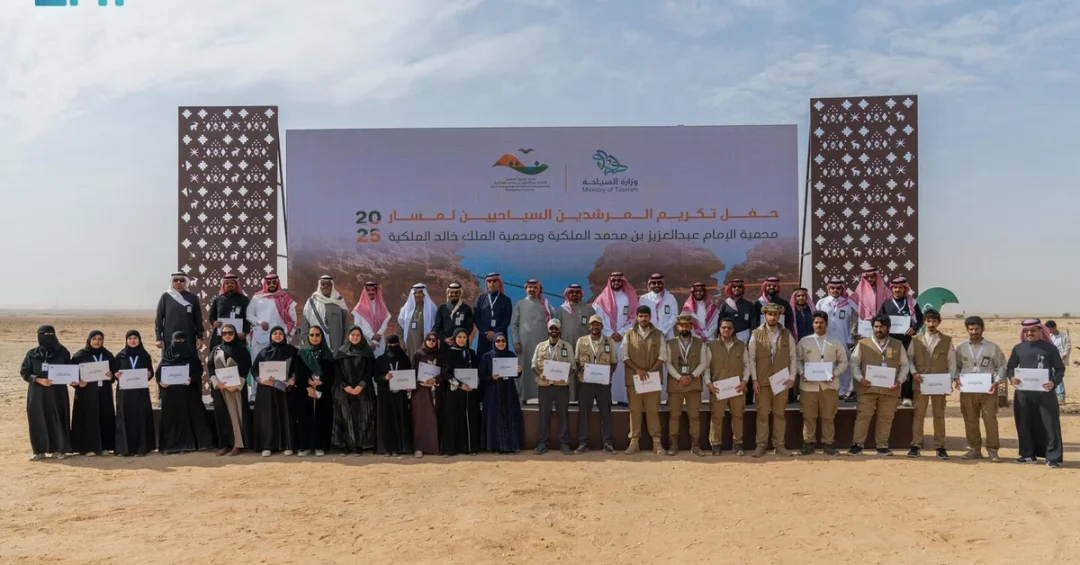
The Imam Abdulaziz bin Mohammed Royal Reserve Development Authority (IARDA) has licensed over 40 tour guides following their completion of specialized training programs in collaboration with the Ministry of Tourism, the authority announced in Riyadh on February 13, 2025. The newly licensed guides are now qualified to lead tours in both the Imam Abdulaziz bin Mohammed Royal Reserve and the King Khalid Royal Reserve, marking a significant step in Saudi Arabia’s ecotourism development.
Context and Background
IARDA is responsible for the development and management of the Imam Abdulaziz bin Mohammed Royal Reserve, one of several royal reserves established under Saudi law to preserve natural habitats, protect wildlife, and promote sustainable tourism. The licensing of tour guides aligns with the Saudi Green Initiative and Vision 2030, which prioritize environmental conservation and the expansion of the tourism sector as a key economic diversifier. The Ministry of Tourism has been working closely with reserve authorities to standardize guide training and ensure high-quality visitor experiences.
Key Details
IARDA CEO Dr. Talal AlHarigi emphasized that ecotourism is a core focus of the authority’s strategy. “This initiative plays a pivotal role in promoting environmental awareness, showcasing natural beauty, and preserving cultural heritage and biodiversity,” he stated. The training programs covered areas such as environmental interpretation, visitor safety, and knowledge of local flora and fauna. Deputy Minister of Data and Decision Support and Acting Deputy Minister of Human Capital Development at the Ministry of Tourism, Eng. Hassan Jannah, noted that the certification is part of broader efforts to strengthen partnerships for tour guide development. “We aim to enhance the professionalism of tour guides, standardize their practices, and empower them to deliver exceptional tourism experiences to visitors across Saudi Arabia,” he said.
Implications and Impact
The licensing of these guides is expected to boost sustainable tourism in the two reserves, which are home to diverse ecosystems and archaeological sites. By providing well-trained guides, IARDA aims to attract both domestic and international visitors, contributing to the Kingdom’s goal of welcoming 150 million annual visits by 2030. The move also supports local communities by creating employment opportunities in ecotourism and fostering environmental stewardship. Collaboration with the Ministry of Tourism ensures that guiding standards align with national regulations, enhancing Saudi Arabia’s reputation as a premier travel destination.
Vision 2030 Alignment
This initiative directly supports Vision 2030 by developing royal reserves as integrated tourist destinations that enhance quality of life and preserve the Kingdom’s natural heritage. IARDA’s strategy emphasizes sustainable development, biodiversity conservation, and community engagement—core pillars of Saudi Arabia’s long-term transformation. As the reserves evolve into world-class ecotourism sites, the trained guides will serve as ambassadors, connecting visitors with the Kingdom’s unique landscapes and cultural legacy, and reinforcing Saudi Arabia’s commitment to environmental sustainability and economic diversification.
20 Questions
Q1. What did the Imam Abdulaziz bin Mohammed Royal Reserve Development Authority celebrate?
A1. The authority celebrated the licensing of over 40 tour guides who completed specialized training programs and met licensing requirements for the Imam Abdulaziz bin Mohammed Royal Reserve and King Khalid Royal Reserve.
Q2. Who collaborated with IARDA on the tour guide licensing program?
A2. The program was conducted in collaboration with the Ministry of Tourism, which works to standardize guide practices and enhance professionalism in the tourism sector.
Q3. What is the primary focus of IARDA’s strategy according to CEO Dr. Talal AlHarigi?
A3. Ecotourism is a key focus, aimed at promoting environmental awareness, showcasing natural beauty, and preserving cultural heritage and biodiversity.
Q4. How does the licensing of tour guides support Saudi Arabia’s tourism goals?
A4. It helps develop the royal reserves as integrated tourist destinations, contributing to Vision 2030’s target of attracting 150 million annual visits by 2030 and boosting sustainable tourism.
Q5. What role do tour guides play according to IARDA?
A5. Tour guides are essential in connecting visitors with nature, fostering environmental sustainability, and providing exceptional tourism experiences that showcase the Kingdom’s heritage.
Q6. Which two reserves are covered by the new tour guide licenses?
A6. The licenses cover the Imam Abdulaziz bin Mohammed Royal Reserve and the King Khalid Royal Reserve, both managed by IARDA.
Q7. What is the significance of the Ministry of Tourism’s involvement in this initiative?
A7. The Ministry aims to strengthen partnerships for guide development, enhance professionalism, standardize practices, and empower guides to deliver high-quality experiences.
Q8. How does this initiative align with the Saudi Green Initiative?
A8. By promoting ecotourism and conservation, the initiative supports the Saudi Green Initiative’s goals of preserving natural habitats and increasing green cover.
Q9. What training did the tour guides undergo?
A9. Guides completed specialized programs covering environmental interpretation, visitor safety, and knowledge of local flora, fauna, and cultural heritage.
Q10. Who is Dr. Talal AlHarigi?
A10. He is the CEO of the Imam Abdulaziz bin Mohammed Royal Reserve Development Authority, leading the authority’s strategy for sustainable ecotourism.
Q11. Who is Eng. Hassan Jannah?
A11. He serves as Deputy Minister of Data and Decision Support and Acting Deputy Minister of Human Capital Development at the Ministry of Tourism.
Q12. What is the primary benefit of licensing trained tour guides for the reserves?
A12. It enhances the visitor experience, promotes environmental awareness, and supports sustainable tourism development in the reserves.
Q13. How does this initiative contribute to local communities?
A13. It creates employment opportunities for Saudi nationals in ecotourism, fostering economic growth and community engagement in conservation.
Q14. What are royal reserves in Saudi Arabia?
A14. Royal reserves are protected areas established by royal decree to conserve biodiversity, protect wildlife, and promote sustainable tourism, often managed by dedicated authorities.
Q15. How does IARDA’s strategy support Vision 2030?
A15. By developing reserves as tourist destinations, the strategy enhances quality of life, diversifies the economy, and preserves natural and cultural heritage.
Q16. Why is ecotourism important for Saudi Arabia?
A16. Ecotourism helps showcase the Kingdom’s natural beauty, attracts environmentally conscious visitors, and aligns with sustainability goals under Vision 2030.
Q17. What types of experiences can visitors expect with these guides?
A17. Visitors can enjoy guided nature walks, wildlife observation, and cultural heritage tours that emphasize conservation and environmental education.
Q18. How does the Ministry of Tourism standardize guide practices?
A18. The Ministry develops certification programs, training standards, and best practices to ensure guides meet national quality and safety requirements.
Q19. What is the long-term goal for the Imam Abdulaziz bin Mohammed Royal Reserve?
A19. The reserve aims to become an integrated ecotourism destination that balances conservation with sustainable visitor access, contributing to Saudi Arabia’s tourism sector.
Q20. How does this news reflect Saudi Arabia’s global engagement?
A20. It demonstrates Saudi Arabia’s commitment to sustainable development, environmental stewardship, and building a world-class tourism industry that welcomes international visitors.
Reader Feedback
We value your thoughts. Please share your feedback on this article.
Your feedback helps us improve our coverage.